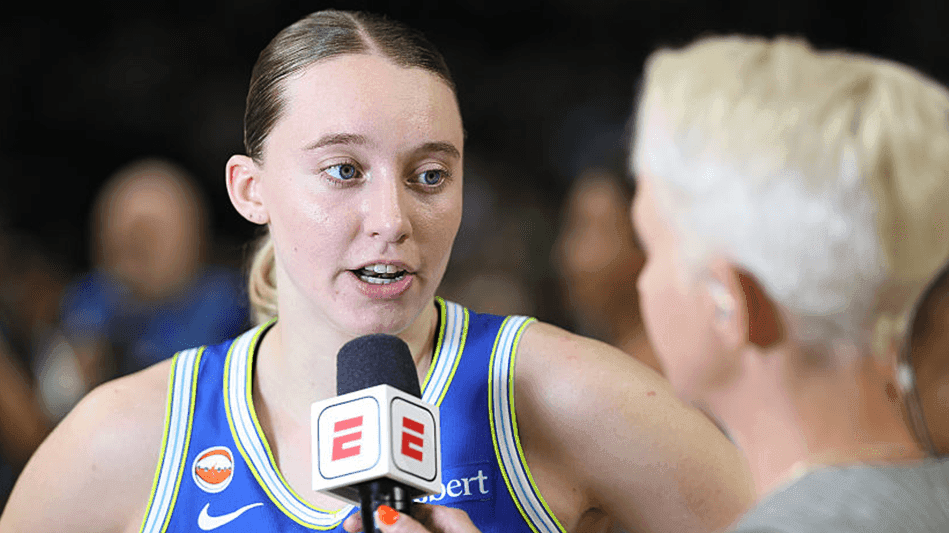
‘White privilege’ made her do it
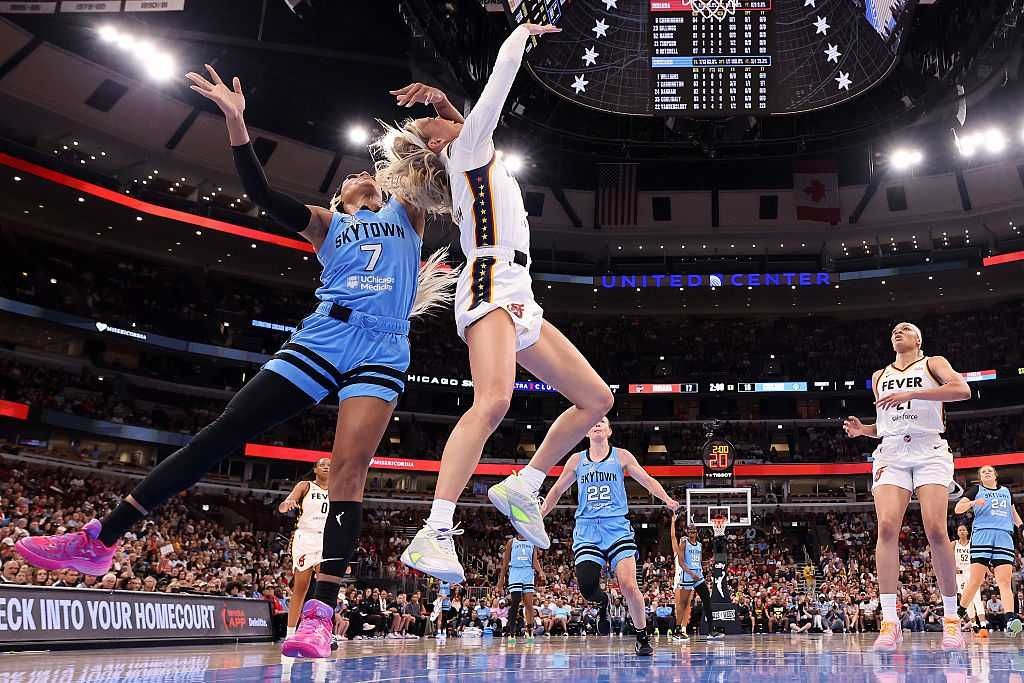


DiJonai Carrington may have committed the most educational flagrant foul in the history of basketball.

I was discussing the episode with a friend who asked, “Do you remember roller derby?” I confessed I did not. “It was a sport where people enjoyed watching women beat each other up,” he said. I saw the connection immediately.

‘White privilege’ did not appear spontaneously in professional sports. It has an intellectual pedigree.

It reminded me of undergraduate classes in which feminists argued that women should run the world because they are more level-headed, calm, and compassionate than men. I had also watched some of those same people treat conservative colleagues with remarkable contempt. The theory and the behavior did not always match.

The WNBA has lately offered a rather vivid reminder that women, being human, are perfectly capable of aggression, rivalry, resentment, and the occasional refusal to accept responsibility.

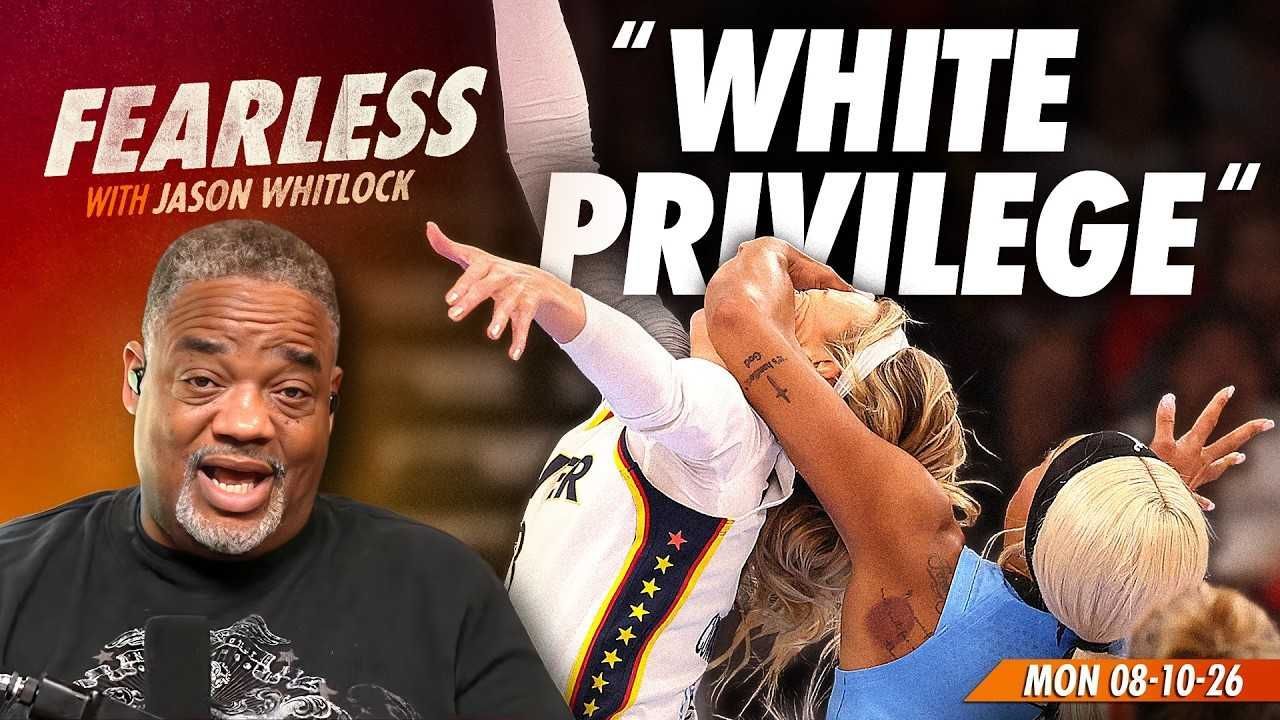
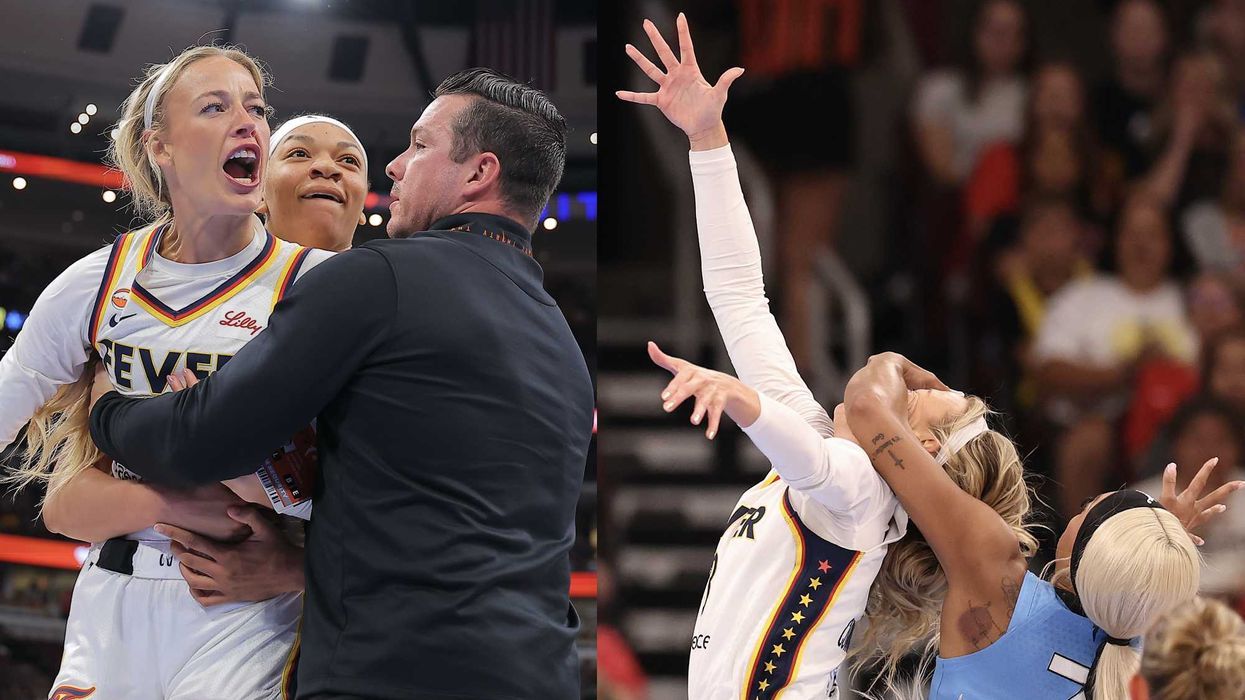
During Saturday’s game between the Chicago Sky and Indiana Fever, Sophie Cunningham broke toward the basket for a layup. Carrington pursued her from behind and struck Cunningham across the head and neck. Officials reviewed the play, upgraded it to a flagrant 2, and ejected Carrington.

This was WNBA drama. Then higher education entered the game.

After her ejection, Carrington posted on Threads: “WHITE PRIVILEGE @indianafever.”

One has to admire the efficiency. Universities can spend an entire semester teaching students to interpret ordinary human interactions through racial categories. Carrington managed it before the game was over.

Predictably, people asked the obvious question: What precisely did Cunningham’s whiteness have to do with Carrington hitting her in the face?

Former NFL player Emmanuel Acho was among those who challenged Carrington’s invocation of white privilege. Carrington later said people had misunderstood her: She was not claiming the ejection itself was caused by white privilege, but pointing to what she regarded as a larger pattern of white players receiving different treatment. She defended her understanding of the subject by citing her education, including Stanford.

And there, buried beneath the WNBA drama, was the genuinely interesting story.

Carrington herself appealed to her education as authority for the framework she was using. That does not prove some Stanford professor taught her how to explain this particular foul. It does show how natural it has become for educated Americans to reach for concepts such as “white privilege” when interpreting conflict and punishment.

RELATED: Magical thinking just made the WNBA Draft
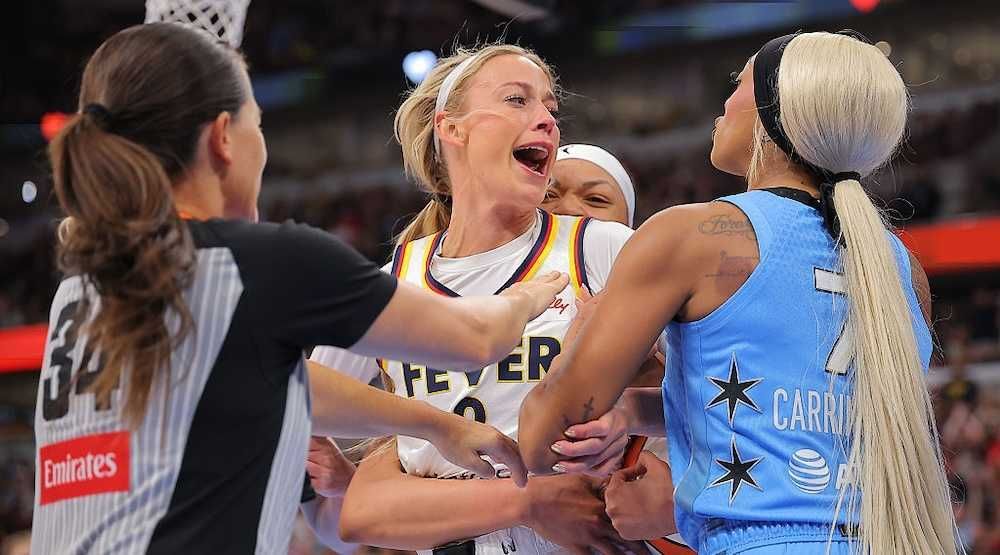
Melissa Tamez/Icon Sportswire/Getty Images

America’s universities have spent decades teaching students to interpret institutions and human behavior through racial categories. “White privilege” did not appear spontaneously in professional sports. It has an intellectual pedigree. Students encounter frameworks in which racial identity becomes a morally significant category through which achievements, punishments, disagreements, and disparities are interpreted.

Carrington apparently regards her education as establishing her authority on the subject. Fine. Then taxpayers and parents should pay attention to what that education teaches people to see.

Stanford is private, of course, but like many American universities, it receives substantial federal funding. Universities receiving federal money are subject to federal antidiscrimination law. That does not mean professors cannot discuss controversial theories of race. They obviously can. The serious question comes when theories move from subjects to be examined into institutional doctrines that classify people morally by race.

Imagine reversing the language. Imagine a university program teaching students to interpret the behavior of black classmates through a theory of “black privilege,” complete with generalizations about what black people characteristically possess, how they characteristically think, and what judgments should attach to them because of their racial identity.

Would anyone seriously maintain that race had nothing to do with it?

The Carrington episode also illustrates something universities rarely advertise about these theories: They can be wonderfully useful for avoiding personal responsibility.

In the classical university, education aimed at forming a good soul: one capable of wisdom, ordered toward what is good, and disciplined against vices such as hatred, envy, and bitterness. This did not mean the good person escaped persecution or injustice. It meant that injustice did not excuse becoming unjust in return. A good soul fears God, not men — or women.

Today’s university is different. It teaches students to locate wrongdoing in systems, structures, identities, and power. Once in a while those explanations are relevant. But they can also become a vocabulary for explaining away one’s own choices. For the philosophy students reading this, the contrast is Socrates versus Thrasymachus: seek the good, or reduce everything to power.

The old-fashioned response to committing a flagrant foul was fairly straightforward: “I went too far.”

The new response requires considerably more vocabulary.

One can discuss systems, privilege, disparities, power structures, historical patterns, and institutional inequities until the original question — “Why did you hit her in the face?” — disappears beneath a small graduate seminar.

That is one of the most corrosive temptations of identity ideology. It can supply an external explanation for almost every unfavorable consequence. If I succeed, I overcame oppression. If you succeed, you benefited from privilege. If I am punished, we investigate the system. If you are punished, justice has finally arrived.

Personal responsibility becomes strangely difficult to locate.

Carrington has also defended her aggressive play on the grounds that she will do everything she can to prevent an opponent from making a layup. Fair enough — except that this rather misses the point of organized sports.

Basketball is not defined as “do everything you can to stop the other person.” It has rules.

That’s what distinguishes basketball from rugby or a parking-lot fight.
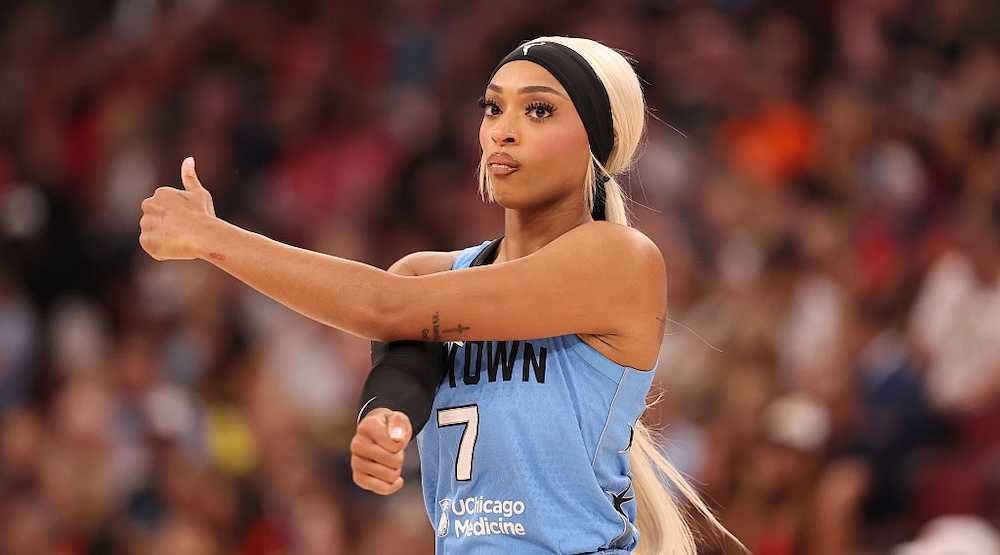
RELATED: ‘She didn’t wait until it was easy’: Victim of brutal injury from male athlete praises Sophie Cunningham

Michael Reaves/Getty Images

You may contest the shot. You may block the ball. You may position yourself defensively. You may even commit an ordinary foul to force free throws. What you may not do is simply employ whatever technique seems most likely to prevent the basket.

Otherwise, why stop with a cross-face? Tackle her. Bite her. Kick her. Put her in a rear-naked choke.

Although, given recent WNBA highlights, perhaps I should stop giving anyone ideas.

The rules are not an obstacle to the game. The rules constitute the game. And that is precisely the moral lesson obscured by the ideology Carrington invoked.

Civil society works the same way. We do not get to suspend ordinary standards of conduct because we believe ourselves to be fighting injustice. We do not get to judge people by their skin color because an elaborate theory tells us doing so is enlightened. Anti-racism becomes corrupting when it licenses hatred, envy, or racial blame in the name of correcting hatred, envy, and racial injustice.

Carrington’s foul lasted only a moment.

Her explanation deserves more attention because it inadvertently reminded Americans that when racial ideology shows up on the basketball court, it did not necessarily begin there.

Someone taught the framework. Quite possibly at a university. And taxpayers help support the institutions where it flourishes.
Sophie Cunningham bleeds and DiJonai Carrington posts ‘WHITE PRIVILEGE’: Why the WNBA has a villain problem


The Chicago Sky’s DiJonai Carrington was assessed a Flagrant 2 foul and ejected in a game against the Indiana Fever for hitting Sophie Cunningham in the face from behind while she was attempting a layup.

Carrington quickly jumped on Instagram Threads after her ejection and posted “WHITE PRIVILEGE” — which didn’t look good for the WNBA player.

But BlazeTV host Jason Whitlock doesn’t believe she’s the only one with this attitude in the league.

“Sophie will not run the approved script after she gets her mouth bloodied. So Sophie is not sisterhood material. She is content. She is a problem to manage. She is the woman the machine is built to isolate. DiJonai Carrington is not a random villain of the week. She is a perfect instrument of this culture,” Whitlock says.


“When the trans athlete fight heated up around Sophie’s public stance, Carrington did not stay out of it, she stepped in. Then she stepped into Sophie at the rim, and when the ejection hit, she did not apologize to the woman with the blood in her mouth,” he continues.

“She posted ‘WHITE PRIVILEGE’ in all caps. That is the whole ideology in two words. Hurt a woman outside the circle, then accuse her of systemic advantage, systemic racism. Sophie is the victim of the file, and the defendant in the narrative. That inversion only works if the media runs it for you,” he adds.

And run it the media does.

“Enter Jemele Hill and Cari Champion. These are not the independent columnists who happen to land in the same place. They are best friends,” Whitlock explains.

“Both of them were on the line for Carrington,” he adds.

In a post on Threads, Hill wrote, “Dijonai Carrington receiving a Flagrant 2 and an ejection was the right call, but let’s go back to the play that made Sophie Cunningham famous. SC gained a million followers overnight. She is affectionately known as an enforcer. Nobody suggested she should be brought up on assault charges despite her play being clear retaliation.”

“Meanwhile Dijonai Carrington was actually going for the ball but she’s being called racial slurs, a thug, and some suggested a suspension for multiple games. Hmm ...” she added.

And Champion wrote in a post on X, “The question is a fair ask — will @dijonai be applauded? Will she gain millions of followers and marketing opportunities?”

“One softens the foul. One questions the incentive structure while still centering Carrington as the protagonist. Same friendship, same hours, same protected player,” Whitlock comments, adding, “That is not a coincidence.”

Want more from Jason Whitlock?

To enjoy more fearless conversations at the crossroads of culture, faith, sports, and comedy with Jason Whitlock, subscribe to BlazeTV — the largest multi-platform network of voices who love America, defend the Constitution, and live the American dream.

Black WNBA player blames 'white privilege' after getting ejected for flagrant foul on Sophie Cunningham


A black WNBA player blamed "white privilege" after she was tossed out of a very physical match between the Indiana Fever and the Chicago Sky over a flagrant foul.

DiJonai Carrington aggressively took down the Fever's Sophie Cunningham as Cunningham drove to the basket for a layup at the start of Saturday's game, leading to an angry response from Cunningham.

'I’m not going to let anyone just do that to me. I think everyone knows that. I think that’s why she did it because she wants attention.'

Carrington was ejected from the game and then potentially worsened the situation for the league by posting "WHITE PRIVILEGE" on social media afterward.

Cunningham was far less divisive in her response following the game.

"Clearly I think it was unnecessary," she said. "I’ve never really spoken to her, and I have no beef with her, but I guess she has some pent-up stuff."

She also explained why she charged at Carrington after the attack, in which Carrington swiped at Cunningham's head while Cunningham was in the air and knocked the Fever player to the floor.

"I popped up," Cunningham said. "I’m not going to let anyone just do that to me. I think everyone knows that. I think that’s why she did it because she wants attention."

Sports Illustrated writer Grant Young called Carrington's "white privilege" post "dangerous" and "asinine" in an opinion column calling on the league to suspend the Sky player.

"Frankly, it's not only immature but dangerous for Carrington to imply that race played any role on her getting a Flagrant 2 and ejected from Saturday's game," Young wrote.

"Any player in the league would have been ejected for the shot she landed on Cunningham, and players have certainly been ejected for less," he added. "For Carrington to try to turn it into a race thing is asinine, especially because she's trying to make an exchange that she started bigger than basketball in a hostile and polarizing way."

RELATED: WNBA team co-owner FINED and SUSPENDED for cursing out teen fans of Sophie Cunningham at game

Carrington also posted on social media a laughing emoji with the date of the next time her team plays the Fever.

The Fever went on to beat the Sky by a score of 90 to 86.

Both Cunningham and Fever teammate Caitlin Clark have been targeted with harassment and criticism — Cunningham for speaking out against biological men in women's sports, and Clark has been accused by black players and pundits of receiving favoritism.

Like Blaze News? Bypass the censors, sign up for our newsletters, and get stories like this direct to your inbox. Sign up here!

WNBA star says black women are 'amazing' and deserve equality in strange, race-riddled rant


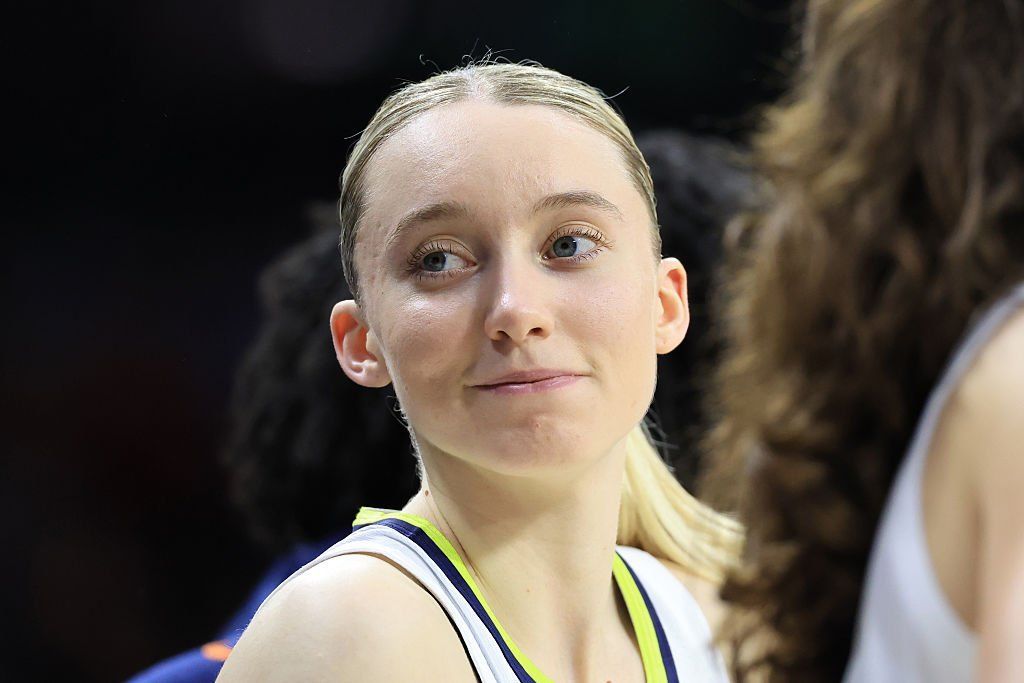
During comments about WNBA coaches, star Paige Bueckers declared black women deserve the same opportunities as white women.

The remarks came during a postgame press conference on Sunday, after a 96-91 win over the Chicago Sky.

'I understand, like, how amazing they are.'

While the Dallas Wings guard is the No. 1 scorer on the team, it seems she also is looking to become the team's No. 1 social justice warrior. Bueckers was asked by a reporter how to go about getting more black female coaches in the WNBA, and the 24-year-old's answer was nothing short of progressive.

"I'm for equal opportunity, no discrimination based on what you look like, who you like, and anything of that nature," Bueckers began, with an unidentified piece of paper in front of her.

"I grew up with a lot of prominent black women in my life that were very important to me in how I was raised and how I grew up, being my stepmom, [and] my AAU coach," Bueckers said.

The Minnesota native continued, stating she believes black women deserve equality.

"I understand, like, how amazing they are and how they should get the same equal opportunity as a white woman, as a white man, to be an important piece of this league."

RELATION: The dark religion behind ‘manifesting’

Bueckers then echoed previous comments made by Indiana Fever superstar Caitlin Clark and declared the WNBA was "built on a lot of black women."

"It's definitely right for them to get the same equal opportunity as everyone else," Bueckers added.

Clark made very similar statements in 2024 as a rookie, when she said, "This league has kind of been built on them," referring to "black players" in the WNBA.

"The more we can appreciate that, highlight that, talk about that, and then continue to have brands and companies invest in those players that have made this league incredible, I think it's very important," Clark said at the time.

Clark even went as far as to say that although she wanted to claim her success was her own doing, at least some part of it was due to having white "privilege."

RELATION: Caitlin Clark's coach rampages about 'racism' and 'homophobia' after on-court abuse: 'So much more toxicity'

Michael Reaves/Getty Images

"I want to say I've earned every single thing, but as a white person, there is privilege," Clark announced. "The more we can elevate black women, that's going to be a beautiful thing," she explained.

Clark's comments sparked significant backlash at the time, and she soon walked them back.

"I feel like I've earned every single thing that's happened to me over the course of my career," she told Time just a couple days later.

Bueckers said as a rookie in 2025 that white athletes have more "marketability" and get more coverage than black athletes. She also took time to note that she believes all white people have "white privilege" and "there's white privilege every single day" in the WNBA.

Bueckers is also reportedly in a romantic relationship with her teammate, the Wings' third-leading scorer, Azzi Fudd.

Like Blaze News? Bypass the censors, sign up for our newsletters, and get stories like this direct to your inbox. Sign up here!

Exclusive: James Talarico Described Himself As A ‘Christian Who Hates Christianity’

The Democrat running for outgoing Texas Sen. John Cornyn's seat wants to turn Jesus Christ into Karl Marx and the Trans Agenda Into Gospel.
Lesbian Minister Cancels July 4th Celebrations In Political Protest

Minister fears spreading 'harm' of the 'American Story.'

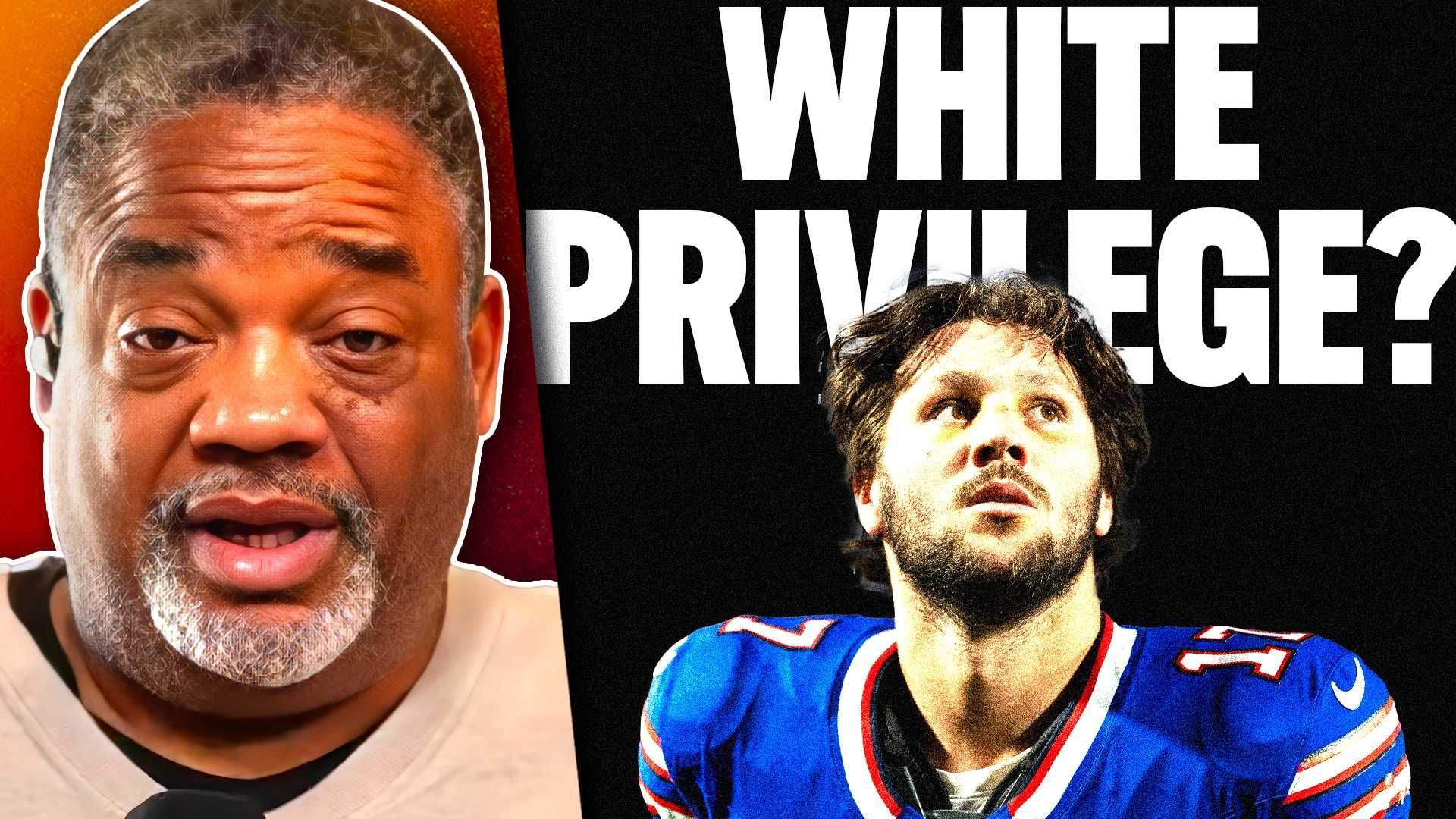
Josh Allen cast as the next ‘great white villain'


Buffalo Bills quarterback Josh Allen has it all — a great job, a beautiful wife, with whom he is expecting a child.

And because of this, he is being framed as the next “great white villain.”

In an article written by Bobby Burack and published by OutKick, Burack argues that Allen is getting much the same treatment as Caitlin Clark.

“If you’re starting to see a trend, there are no Great White Hopes in 2026. The racial discourse in sports is largely the product of commentators convincing themselves that any praise or popularity of a white athlete must be rooted in racial bias,” Burack explains.


“Much of the sports media, which is not an especially impressive or rigorous group, operates from a Marxian worldview in which one person’s success must come from another’s exploitation. Translated, they believe the popularity of a white athlete comes at the expense of a black athlete,” he continues.

“They are so committed to this worldview that they go on television and onto their made-for-Bluesky podcasts to throw tantrums over things no one actually said about athletes like Josh Allen and Caitlin Clark,” he adds.

BlazeTV host Jason Whitlock could not agree more.

“There aren’t people running around caping up for Josh Allen,” Whitlock says. “To the contrary: When Josh Allen just played a poor playoff game and cost his team that playoff game with ridiculous mistakes and interceptions and fumbles and whatnot, everybody criticized Josh Allen,” he says on “Fearless.”

“What actually does transpire is that when a black athlete, particularly one who Ryan Clark and others have deemed as authentically black, meaning they wear cornrows or they braid their hair or they talk Ebonics very effectively on TV … there is a caping-up for them,” Whitlock explains.

“Everybody loves to celebrate the black athlete that acts like a buffoon,” he continues, adding, “And then when that black athlete who acts like a buffoon washes out and fails because of his immaturity, everybody gets amnesia that they were celebrating this buffoonery.”

Want more from Jason Whitlock?

To enjoy more fearless conversations at the crossroads of culture, faith, sports, and comedy with Jason Whitlock, subscribe to BlazeTV — the largest multi-platform network of voices who love America, defend the Constitution, and live the American dream.

The Left Will Never Forgive Renee Good (Or Anyone Else) For Being White

Leftism is the only ideology that demands total subjugation and will still treat you like garbage after you die for it.
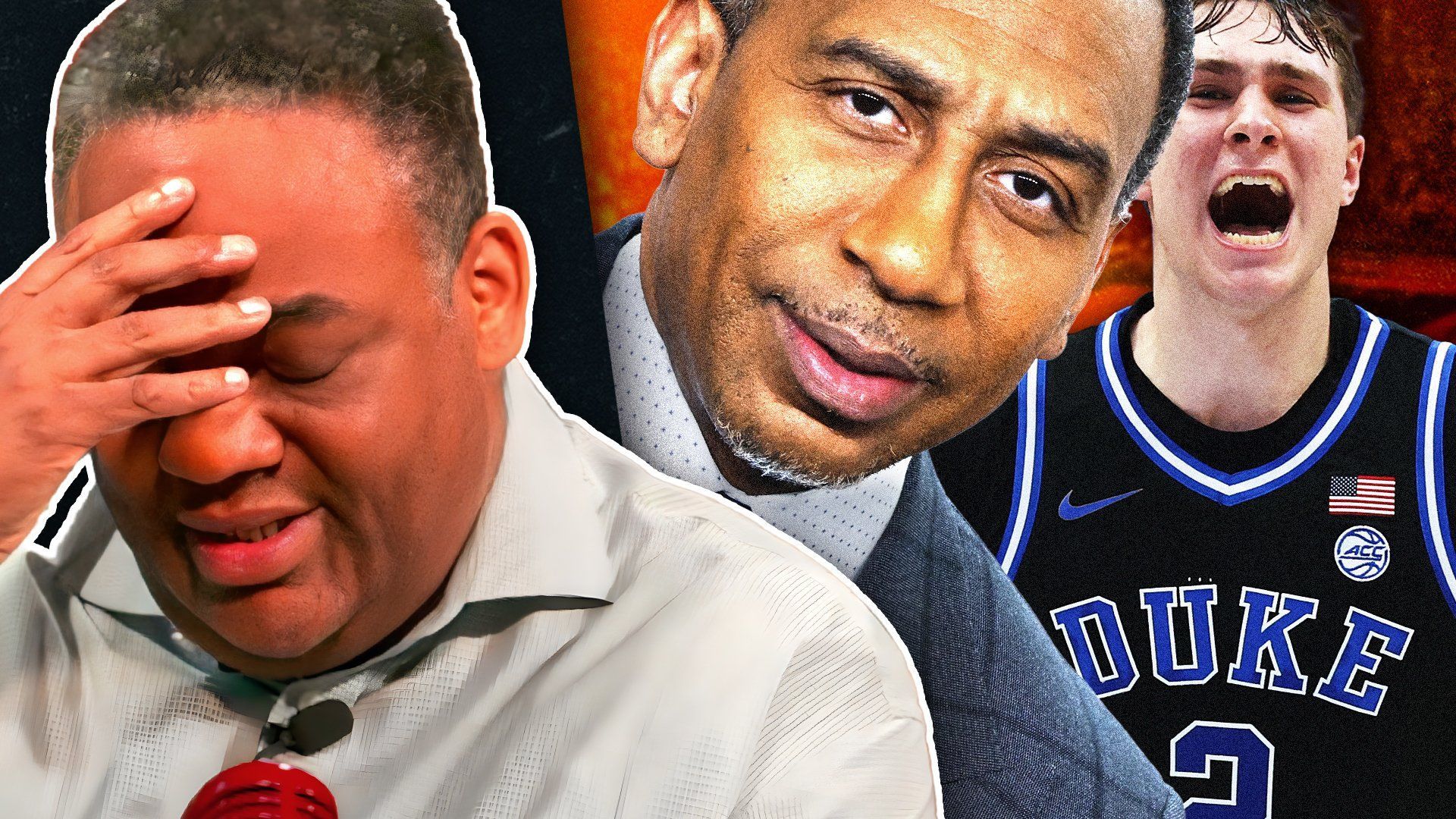
Stephen A. Smith charges projected No. 1 NBA draft pick with ‘white privilege’


Duke forward Cooper Flagg is projected to be the No. 1 pick for the 2025 NBA Draft. It’s no surprise after his stellar freshman season, where he averaged 19.2 points, 7.5 rebounds, 4.2 assists, 1.4 steals, and 1.4 blocks per game and earned the Wooden Award as the top college basketball player.

Between his two-way versatility, defensive prowess, and playmaking ability, Flagg will be a franchise cornerstone for the Dallas Mavericks, who won the lottery with a 1.8% chance and are likely to select him on June 25.

But ESPN’s Stephen A. Smith says there’s something besides just raw talent behind Flagg’s status as the projected No. 1 draft pick. White privilege is also apparently a factor in the equation.

Jason Whitlock plays the clip of Smith explaining why the Dallas Mavericks have no choice but to draft Cooper Flagg.

“When you got somebody with that kind of potential and they're white and you are in America, you keep that dude,” said Smith. “Texas is different, and in Dallas, Texas, if you got an opportunity to get Cooper Flagg, you take Cooper Flagg – especially when you just let go of Luka Dončić.”

Smith argued that being a white American superstar in the NBA, a league with few white American stars, makes Flagg highly marketable, drawing parallels to Larry Bird.

“I don't understand why ESPN allows this other than obviously they're in the racial division business like a lot of the rest of the media,” says Jason Whitlock.

“There is, for whatever reason, this undeniable urge or push for ESPN to utilize this race-baiting tactics,” adds “Fearless” contributor Jay Skapinac, host of the “Skap Attack.”

“Sports to me are the ultimate merit-based entity really. ... The best should be the ones playing; the best should be the ones picked; the best should be the ones dictating the merchandising dollars, and so forth,” he continues, noting that Smith’s suggestion that top-tier white players are rare and therefore valuable falls flat when you consider that “for five years the best player in the NBA has been Nikola Jokić by wide margin.”

To see the footage of Smith’s comments and hear more of Jason and Skap’s conversation, watch the episode above.

Want more from Jason Whitlock?

To enjoy more fearless conversations at the crossroads of culture, faith, sports, and comedy with Jason Whitlock, subscribe to BlazeTV — the largest multi-platform network of voices who love America, defend the Constitution, and live the American dream.

'There's white privilege every single day': WNBA No. 1 draft pick Paige Bueckers says 'people' favor white men and women


The WNBA's newest star claimed white athletes have more "marketability" and receive more coverage than black athletes.

Paige Bueckers was an NCAA star at the University of Connecticut with huge endorsements from companies like Nike, Taco Bell, Nerf, and Gatorade. After being selected No. 1 in the WNBA Draft by the Dallas Wings, Bueckers has another great opportunity to star on a team that just made a move to a larger arena.

While her past success, basketball IQ, and perseverance through injuries were the focus of a lengthy piece in Time, Bueckers took the opportunity to confess that she believes she, and all white people, have "white privilege."

Bueckers said black women are under covered by the media, noting, "It's still an issue, every single day."

"There's not ever equal coverage," she told the outlet. "There's white privilege every single day that I see."

The 23-year-old continued, "I feel like I've worked extremely hard, blessed by God. But I do think there's more opportunities for me. I feel like even just marketability, people tend to favor white people, white males, white women. I think it should be equal opportunity. I feel like there is privilege to what I have, and to what all white people have. I recognize that, I want to counteract that with the way I go about my business."

Bueckers has been making strange, racially driven comments since a young age; at just 19, she accepted an ESPN award and said she wanted to "show a light on black women" because they "don't get the media coverage that they deserve."

"They've given so much to this sport and the community and society as a whole, and their value is undeniable," Bueckers said in 2021.

'It doesn't matter how hard I work. It doesn't matter what we all do as black women.'

This narrative has been mentioned consistently by players in the WNBA. For example, Las Vegas Aces player A'ja Wilson claimed in a 2024 interview that WNBA superstar Caitlin Clark is more popular and more marketable because she is white, while black women are ignored.

"They don't see it as marketable," Wilson said of the unnamed powers that be. "It doesn't matter how hard I work. It doesn't matter what we all do as black women, we're still going to be swept underneath the rug. That's why it boils my blood when people say it's not about race because it is."

After conducting the interview but before it was published, Wilson was signed to a signature shoe deal by Nike and an endorsement with Gatorade.

Clark herself has spread similar sentiments, participating in a Nike marketing campaign that said women are not able to succeed, despite the campaign receiving massive 50-foot banners in Chicago.

Clark had previously told Time that she cannot attribute all of her success to her hard work but said a bulk of it was due to her white privilege.

"I want to say I've earned every single thing, but as a white person, there is privilege," she said at the time. About a day later, Clark contradicted her statements again while speaking with Time.

"I feel like I've earned every single thing that's happened to me over the course of my career."

Like Blaze News? Bypass the censors, sign up for our newsletters, and get stories like this direct to your inbox. Sign up here!