From Prada to politics: Meryl Streep tacks on SAVE America Act scare tactics to end of Colbert interview


The SAVE America Act — which would simply require individuals to provide documentary proof of U.S. citizenship when registering to vote in federal elections — remains stalled in the Senate after three weeks of contentious debate, a failed cloture vote blocked by the Democratic filibuster, and the ongoing partial DHS shutdown.

Opponents continue to lean on the argument that the bill disenfranchises millions of married women. Because roughly 80% of them change their last name upon marriage, their current legal name no longer matches the name on their birth certificate (the main document accepted as proof of citizenship). This could force them to obtain additional paperwork like marriage certificates or updated records that many may lack or find burdensome.

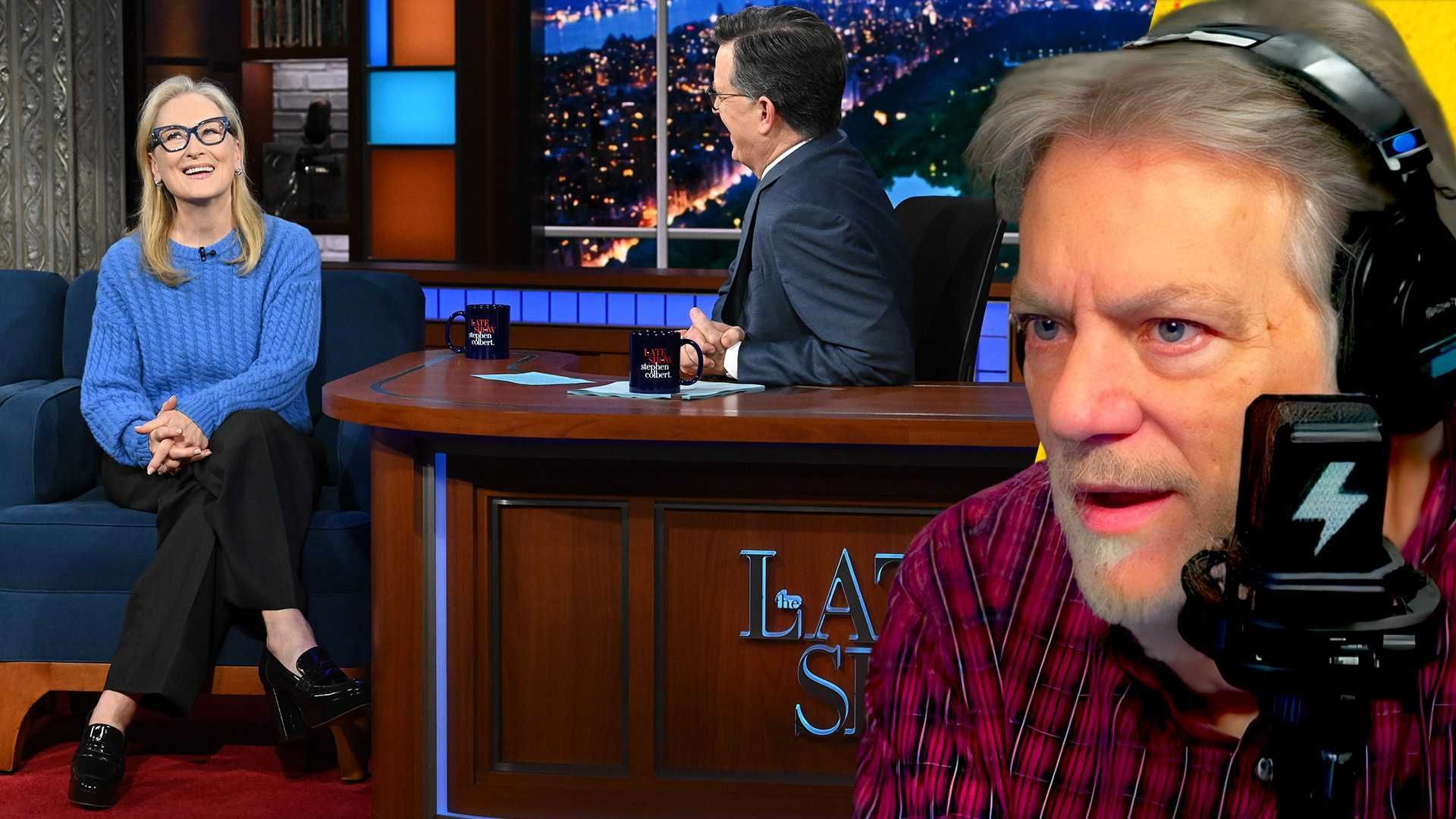
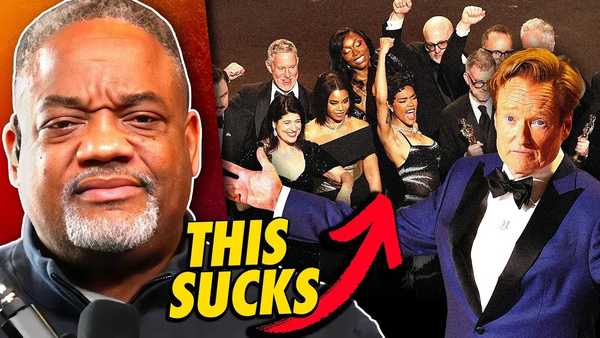
Meryl Streep is now apparently joining the fight to block the SAVE America Act. On a recent episode of “The Late Show with Stephen Colbert,” the 76-year-old actress randomly brought up the bill and perpetuated the same argument.

Pat Gray played the clip on a recent episode of “Pat Gray Unleashed” and addressed Streep’s comments.

Near the end of the episode, after spending the majority of the time talking about Streep’s latest film, “The Devil Wears Prada 2,” Colbert asked if there was anything else on her mind she wanted to talk about, and Streep used that opening to pivot and deliver her warning about the SAVE America Act and married women.

“The Save America Act, if that passes, all the married women that have changed their names are going to have to go to the registrar and prove that they are who they are,” Streep said.

“When you get to the voting booth in November, you might be disqualified because your name on your birth certificate doesn’t match your name on the voting rolls, ... and this is such a pain in the neck because you have to go, but do it because otherwise you’ll be turned away, and I think that women need to be heard, especially in this moment,” she added.

Pat is nauseated with Hollywood’s left-wing agenda.

“Just the lies that continue to spill out of these stupid people,” he sighs.

“I doubt she knows that’s a lie. She probably really believes it because she only follows left-wing morons,” he adds.

Pat explains that the SAVE America Act’s co-author, Senator Mike Lee (R-Utah), has repeatedly debunked the claim that the bill disenfranchises married women. Numerous times he has clarified that the SAVE America Act includes special accommodations for name discrepancies: Women can provide additional linking documents (like a marriage certificate) or simply swear an affidavit attesting to their citizenship, after which states can verify the details later.

“There’s nobody going to be left behind when it comes to being accepted into the voter pool,” co-host Keith Malinak says.

“But the only way to convince the American people that the SAVE Act is something negative is to lie about it,” Pat says, “and so that’s what they do. They just sit there and lie through their communist teeth.”

To hear more, watch the full episode above.

Want more from Pat Gray?

To enjoy more of Pat's biting analysis and signature wit as he restores common sense to a senseless world, subscribe to BlazeTV — the largest multi-platform network of voices who love America, defend the Constitution, and live the American dream.
Netflix didn’t lose to Trump. It lost to math.


After months of public back-and-forth, Netflix’s bid for Warner Bros. Discovery is dead. Paramount won. The company on February 26 said it had completed its purchase, and Federal Communications Commission Chairman Brendan Carr said regulators would approve it “pretty quickly.”

Some observers blamed Netflix’s loss on the Trump administration. Senator Elizabeth Warren (D-Mass.) labeled the Paramount deal a “disaster,” and allies implied that administration officials leaned on Netflix to stand down.

Netflix profits when audiences stay home. Theaters, restaurants, and the broader ecosystem built around going out don’t.

That’s revisionist history. Netflix lost for two reasons: Paramount offered more money, and Republicans have grown far less willing to wave through consolidation by mega-firms that already squeeze consumers and tilt the culture war leftward.

Paramount outbid Netflix

Start with the obvious. Netflix offered a little over $27 per share. Paramount offered $31 per share — roughly $111 billion in total value.

Netflix couldn’t match that price. Paramount could. Netflix walked.

That’s math, not corporate intrigue.

Why Washington had concerns

Money explains why Netflix lost. Politics explains why so few people in Washington felt inclined to rescue it.

Carr said Netflix’s bid raised “a lot of concerns.” President Donald Trump signaled skepticism. So did many congressional Republicans. They saw a company that already dominates streaming trying to turn itself into the dominant media conglomerate — and they saw the costs landing on consumers, creators, and competitors.

Consumers would have taken the hit first. As Rep. Darrell Issa (R-Calif.) noted during merger hearings, Netflix’s expansion has marched alongside higher prices. Subscribers pay more, then sit through more ads. The company pushes customers toward “cheaper” tiers that still interrupt programming people already bought access to watch.

Filmmakers would have taken the hit next. Director James Cameron warned that the sale would be “disastrous for the theatrical motion picture business.” Netflix profits when audiences stay home. Theaters, restaurants, and the broader ecosystem built around going out don’t.

RELATED: CNN’s biggest nightmare is one step closer to finally coming true

Photo by Andrew Harnik/Getty Images

Then comes culture. Paramount’s programming spans the spectrum. Nobody confuses it with a conservative company, but nobody defaults to treating it as a progressive messaging machine either. Its catalog ranges from right-coded “Yellowstone” to newer, openly left-wing “Star Trek” entries, with plenty of mainstream fare between.

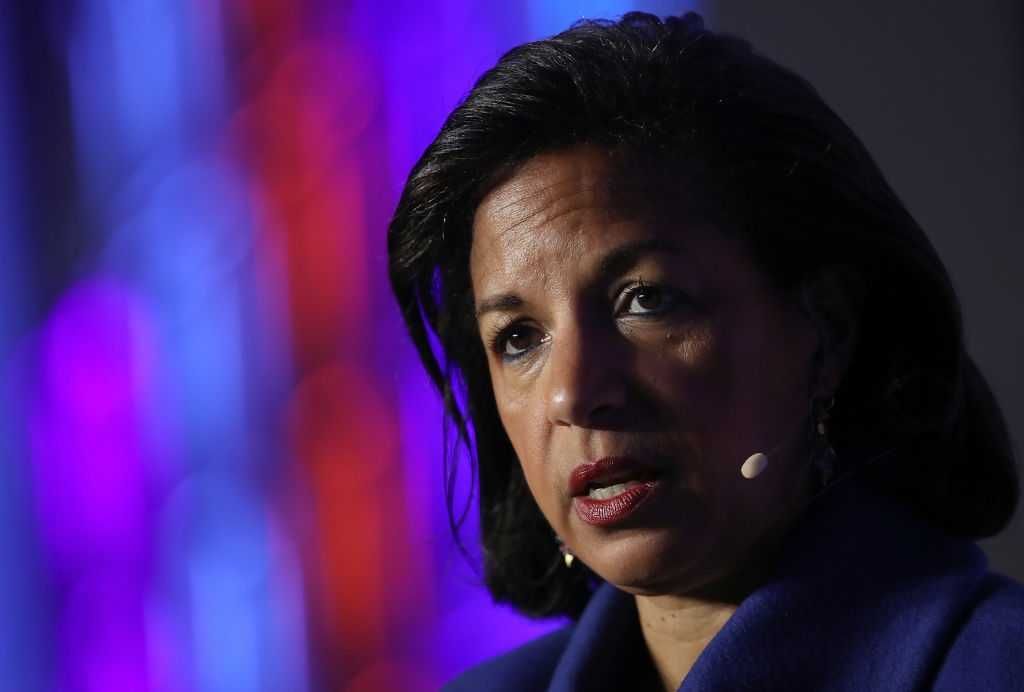
Netflix plays a different game. Its board includes former Obama administration official Susan Rice. Critics on the right point to its content tilt, including an Oversight Project analysis that found left-leaning programming outnumbered right-leaning programming by a wide margin. Even Netflix’s CEO recently tried to walk back a 2020-era post supporting Black Lives Matter, a retreat that looked less like conviction than belated damage control.

Monopoly defeated

For years, conservatives answered complaints about corporate media with a libertarian shrug: Let the market decide. That posture collapsed once the market stopped functioning like a market. A handful of firms now gatekeep distribution, advertising, and cultural prestige. Consumer choice matters less when one company controls the pipes.

Netflix seemed to miss that shift. It still spoke like the scrappy upstart that crushed Blockbuster, not like the biggest player trying to swallow a legacy studio and reshape the entire ecosystem on its terms.

Netflix will survive. It will keep producing content, and it will keep pushing its worldview in much of that content. It just won’t do it with control over Warner Bros. Discovery — or over the broader media landscape.

Trump is right: Netflix’s merger would create a woke media monster


Popular entertainment has always shaped the public mind in ways politicians can only envy.

Percy Bysshe Shelley once called poets the “unacknowledged legislators of the world.” The idea surfaces memorably in the 1984 Best Picture winner “Amadeus,” where Emperor Joseph II appears more invested in micromanaging Vienna’s opera scene than governing his empire.

Modern technology has magnified that cultural power. Today, many young Americans absorb more of their moral instruction from Netflix than from teachers, pastors, or even parents.

Now Netflix wants to expand that influence dramatically by acquiring Warner Bros. Discovery, a media conglomerate that includes HBO, DC Studios, and franchises such as “Harry Potter” and “Game of Thrones.” The combined entity would control roughly a third of the streaming market and wield unprecedented cultural power.

Democrats understand that politics flows downstream from culture. Allowing Netflix to absorb Warner Bros. would give that worldview control over even more cultural territory.

The scale of the proposed merger raised concerns even for President Donald Trump, who warned last month that it “could be a problem” and confirmed his administration would take an active role in reviewing the deal.

Given the stakes, the question is not abstract. How does Netflix use the power it already holds?

Consider the company’s recent headline-grabbing film, “Queen of Coal,” described as the story of “a trans woman who dreams of working the coal mines” and must battle a town defined by “superstition and patriarchy.”

Inspiring stuff.

Or recall Netflix’s 2020 release of “Cuties,” a French film centered on 11-year-old girls twerking. The filmmakers claimed the movie criticized the sexualization of children. Perhaps that was their intent. Netflix’s marketing department missed the point entirely, replacing the original poster with one featuring preteen actresses in sexualized poses. Public outrage followed, and Netflix eventually apologized.

After George Floyd’s death in 2020, Netflix declared on social media, “To be silent is to be complicit. Black lives matter,” and then set about race-swapping characters across its catalog.

Zoom out further. A report by Concerned Women for America found that nearly half of Netflix’s children’s programming pushes LGBT themes.

Taken together, the pattern is unmistakable. Netflix uses its platform to advance a radical progressive agenda, and scrutiny only confirms it.

The company’s internal culture reinforces the point. Even by Big Tech standards, Netflix skews sharply left. In 2020, 98% of its political donations went to Democrats, compared with 84% at Apple and 77% at Facebook.

CEO Reed Hastings, Netflix’s co-founder and longtime chief executive, donated $7 million in 2024 to a pro-Kamala Harris super PAC and $2 million to California’s redistricting effort last year. In 2017, Hastings told fellow billionaire Peter Thiel that his support for Trump reflected such “catastrophically bad judgment” that it called into question Thiel’s fitness to remain on Facebook’s board.

Hastings has made clear that conservative ideas do not merely deserve debate. In his view, they disqualify those who hold them from serious consideration.

Then comes the revolving door between Netflix and Democratic power.

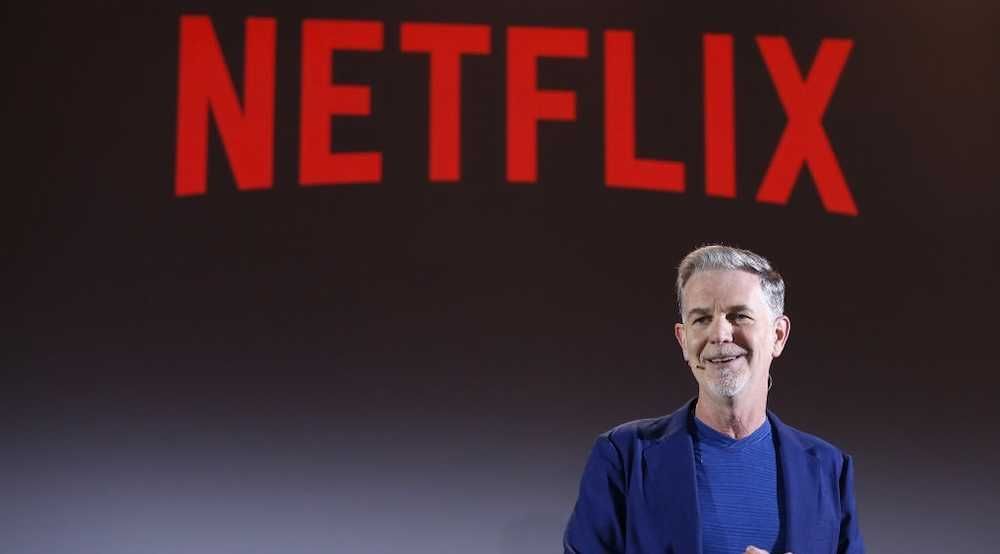
RELATED: Netflix wants a monopoly on your mind

Photo by Mario Tama/Getty Images

In 2018, Netflix signed a deal with former President Barack Obama reportedly worth tens of millions of dollars. The results included a slate of progressive documentaries and an apocalypse thriller featuring the line, “Trust should not be doled out easily, especially to white people” — a sentiment both racist and badly written.

Susan Rice offers another example. After serving as Obama’s U.N. ambassador and national security adviser, she joined Netflix’s board during Trump’s first term, left to lead Biden’s Domestic Policy Council, and has now returned to the company.

Democrats understand that politics flows downstream from culture. Allowing Netflix to absorb Warner Bros. would give that worldview control over even more cultural territory.

President Trump has signaled that he understands what is at stake. He has warned that the $82.7 billion deal must undergo rigorous antitrust scrutiny.

As Rep. Darrell Issa (R-Calif.) noted, the merged company would exceed the 30% market-share threshold traditionally viewed as “presumptively problematic” under antitrust law.

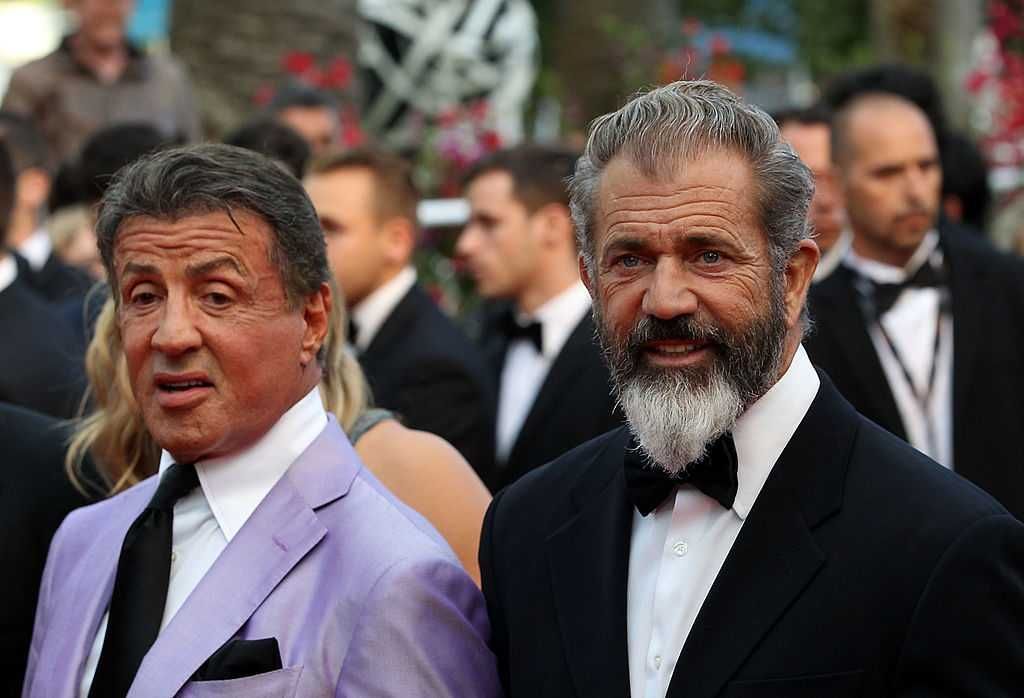
But Trump’s concern goes deeper. As an entertainer himself, he grasps the importance of the arts. That understanding explains his hands-on approach to reforming the previously ultra-woke Kennedy Center. It explains his plan to commission 250 classical sculptures for a National Garden of American Heroes. It explains his appointment of Jon Voight, Mel Gibson, and Sylvester Stallone as special ambassadors to Hollywood.

And it explains why he should not allow Netflix to build a woke media monopoly capable of doing more long-term damage to the country than any single election cycle.

Charlie Sheen changed his politics by changing the channel


About six years ago, I started a simple experiment. Each evening, instead of relying on a single news source, I watched both sides of the political spectrum — MSNBC and CNN on the left, Fox on the right. The goal was not balance for its own sake. It was triangulation: getting closer to the truth than any one outlet seemed capable of providing.

The pattern emerged quickly. The full story almost never lives on a single channel. It lives in the gaps — in what one side omits, what the other exaggerates, and what only becomes visible when competing narratives collide. Stepping outside a single media ecosystem sharpened my understanding of events and exposed how much emotional steering hides behind what passes for “objective” news.

If a Hollywood actor immersed for decades in elite cultural assumptions can break free simply by pressing 'channel up,' that should give the rest of us pause.

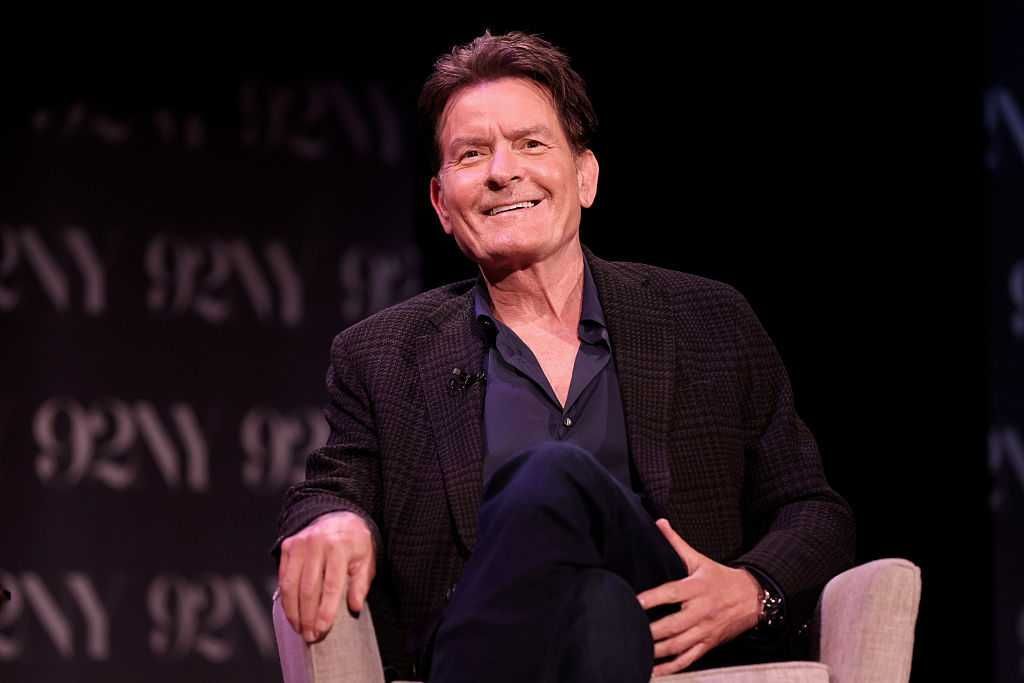
I was reminded of this after reading Megyn Kelly’s interview with actor Charlie Sheen.

Pick up the remote

For years, Sheen embodied Hollywood’s loud, theatrical hostility toward Donald Trump. He embodied Trump derangement syndrome. Then he startled people by admitting that he had begun to change his views. Not because of a grand ideological awakening, but because of something mundane.

"I'm going to change the channel," he told Kelly. "I'm gonna do my own research, like I've done with everything my entire life. I'm gonna listen to other voices. I'm gonna explore just hearing both sides of the g**d**n story."

Sheen described realizing that he had been “hypnotized” — his word — by the media he trusted. What once felt authoritative and neutral began to look curated, repetitive, and manipulative.

“What I was so hypnotized by,” he said, “in some ways can be described as state-run media. ... Legacy media is very much like that.”

How narrative replaces reporting

That charge matters, because it is not rooted in party loyalty. It is rooted in recognition. More Americans sense that the information they consume does not simply inform them — it conditions them. It trains emotional responses, assigns villains, and narrows acceptable conclusions.

As Sheen flipped channels, he discovered how incomplete his worldview had been. Then came his most striking admission: “I felt really stupid. I don't have a fancier way to describe it. ... Some of the stuff I’d bought into … some of the people I was hating because I was told I was supposed to hate them.”

That kind of honesty is rare. In today’s culture, changing one’s mind is treated as treason rather than growth. Sheen’s shift is not primarily about moving from left to right. It is about reclaiming agency — refusing to let a single narrative dictate who deserves trust or contempt.

For years, Americans have been sorted into hardened political tribes by outlets that no longer report so much as reinforce. Each network offers a prepackaged worldview with designated heroes, enemies, and emotional cues. The longer someone consumes only one of them, the more certain — and less informed — he becomes.

This is how democracies fracture. Not because citizens lack reason, but because they are denied the full range of facts required to reason well.

Regret isn’t the point

Sheen even expressed regret over his 2024 vote for Kamala Harris, a decision he now believes was made inside an echo chamber he did not recognize at the time. The regret itself is not the point. The awakening is.

RELATED: Netflix wants a monopoly on your mind

Photo by Jakub Porzycki/NurPhoto via Getty Images
If a Hollywood actor immersed for decades in elite cultural assumptions can break free simply by pressing “channel up,” that should give the rest of us pause.

It suggests intellectual independence remains possible. It suggests curiosity can overpower conditioning. And it suggests Americans are far more capable of balanced judgment than our media landscape assumes.

The most patriotic habit left

The lesson is not complicated. If you want to understand what is really happening in this country, do not limit yourself to the channel you already agree with. Change it. Listen to the other side. Sit with the discomfort.

The clarity that follows may surprise you. It may challenge your assumptions. It may even change your mind.

In today’s America, that may be one of the most constructive — and patriotic — acts left to us.

Netflix wants a monopoly on your mind


Netflix has announced an $80-plus billion plan to buy Warner Bros. Discovery — a move that would give the streaming giant control of some of the biggest entertainment franchises in America. Executives celebrated the deal, promising consumers “more of what they love.” In reality, the merger would create a monopolistic monster. For millions of Americans already frustrated with Netflix’s ideology and influence, this feels like a bridge too far.

This isn’t some routine corporate merger. It is an attempt to build an unstoppable cultural behemoth. Netflix is already the largest streaming platform in the country. Absorbing Warner Bros. — one of Hollywood’s oldest and most important studios — would allow the company to tower over its competitors and control a massive share of American storytelling.

The Netflix-Warner Bros. merger would confer unprecedented cultural and economic authority on a company already mired in national controversy.

Antitrust concerns are obvious and bipartisan. Lawmakers in both parties have called the deal an antitrust “nightmare.” Consumers have already filed a class-action lawsuit arguing that the merger would gut competition. But there is another reason conservatives in particular are sounding the alarm: the cultural power Netflix has accumulated — and how it intends to use it.

The culture-war dimension

In recent years, Netflix has dominated the streaming world and, by extension, much of the debate over ideological influence in entertainment. The company has been at the center of national fights over gender, sexuality, race, and the politicization of children’s programming.

Elon Musk triggered a viral backlash when he urged millions of followers to cancel Netflix, accusing the platform of pushing a “woke agenda” into entertainment and slipping social messaging into children’s content. Musk tapped into a widespread, simmering frustration: the belief that major corporations no longer reflect the values of ordinary American families.

Netflix’s programming choices have not eased those concerns. The company has showcased transgender and nonbinary themes in children’s shows, celebrated DEI ideology internally, and proudly curated LGBTQ+ collections “for families.” Sometimes this yields unintentional comedy — like a new show about a transgender coal miner — but other times, the messaging feels more deliberate and invasive.

Now imagine giving the company control of Warner Bros. The concern isn’t only economic. It’s cultural. A combined Netflix-Warner empire would shape what stories get made, which values get promoted, and what kind of entertainment future generations will inherit.

What happens to theaters, communities, and creators?

Warner Bros. has long been a pillar of American cinema. Local theaters depend on major studios to draw families out of their homes and into shared cultural experiences — some of the last common spaces in American life. Netflix, by contrast, has built its kingdom on isolation: individual screens, algorithmic curation, the slow erosion of communal entertainment.

If Netflix takes control of Warner Bros., expect shorter theatrical windows, more straight-to-streaming releases, and a slow decline in the local theaters that hold American communities together. The result: fewer choices, weaker alternatives, and consumers trapped paying whatever the merged company demands.

Netflix insists this won’t happen. History suggests otherwise.

Creators and workers see what’s coming

Hollywood’s creative class understands the danger. Director James Cameron has warned that the merger would flatten artistic diversity and silence competing voices. Industry unions fear that a single corporation controlling both production and distribution will decide which projects get funded, which careers move forward, and which ideas make it to the screen.

A company with that much power can shape the entire pipeline of culture.

RELATED:Can conservatives reclaim pop culture?

Photo by Danny Martindale/FilmMagic

The government must stop this

Regulators have noticed. President Trump has expressed concern that the combined company would wield too much market power. The Department of Justice and consumer advocates are preparing for an aggressive antitrust review. Critics across the political spectrum warn that prices will rise, competition will collapse, and consumers will lose.

Americans want competition — not cultural empires run by a handful of executives who impose ideological agendas while claiming neutrality. They want storytellers who reflect a diversity of values and views, not corporate gatekeepers who see entertainment primarily as a delivery system for political messaging.

The Netflix-Warner Bros. merger threatens all of this. It would confer unprecedented cultural and economic authority on a company already mired in national controversy.

The Trump administration should block the merger.

Americans are tired of corporations that profit from their attention while ignoring their concerns. Allowing one company to dominate such a massive share of American entertainment would weaken the industry and harm the country.

The government must stop this power grab before the damage becomes irreversible.

Culture’s great subversion machine has broken down at last


Netflix just announced its next animated children’s film, “Steps,” a Cinderella inversion in which the evil stepsisters are the real heroes. Shocking, I know. The platform is also releasing “Queen of Coal,” a film about a “transgender woman” overcoming the patriarchy in his small Argentinian town.

Reports of the demise of wokeness were premature. Its adherents remain committed to pushing it across every domain of society. What’s notable is how boring it has all become. Deconstruction has been the default mode of modern culture, but it is running out of things to deconstruct. The transgression has lost its power as the taboo fades, and in that exhaustion, something new — perhaps something true — stirs.

The revolution brought destruction, but its exhaustion brings new possibilities.

Some call Friedrich Nietzsche the first postmodernist for announcing that “God is dead.” Whether he was a precursor or ground zero, the genealogy of the movement clearly flows from his work. You can argue about whether he unleashed several horrors into the world or merely acknowledged their arrival, but Nietzsche at least understood the seriousness of his claim. He understood that having the blood of God on your hands was not a clever academic parlor trick — it was monstrous.

With the creator of the universe declared dead, modern man felt free to dismantle the order that once bound him. The sacred bonds of hierarchy were shattered. Postmodernism launched its assault on the good, the beautiful, and the true. And breaking sacred bonds releases immense energy. The leftist revolution that consumed the West drank deeply from it.

The church, the community, the family, marriage, gender roles, gender itself — each time the left destroyed one of these natural structures, it seized the power trapped inside and wielded it against its enemies.

Deconstruction reaches its natural end

But deconstruction has a natural end point. Transgression requires something sacred to violate. As I have written before, you eventually reach the point where there is nothing left to transgress.

When every movie, show, novel, game, and song “subverts” the traditional Christian norm, the subversion becomes the norm. That’s why these Netflix offerings feel so lifeless: They all follow the same trajectory toward the same inversion.

Fifty years ago, critics complained that stories were predictable because the squeaky-clean hero always triumphed. Today they are predictable because the villain is always a misunderstood victim of bigotry who deserves to win. The inversion isn’t clever or subversive. It’s the boring status quo.

The death of who?

So what happens when postmodernism has inverted every hierarchy, mocked every sacred symbol, and squeezed the last drop of power out of attacking Christianity?

The philosopher Alexander Dugin offers a compelling answer. If modernity was the death of God, the end of postmodernism is the exhaustion of subversive secular culture. At that point, new possibilities appear. Instead of proclaiming that “God is dead,” people start asking, “The death of who?” The old order fades so completely that secular man forgets what he was rebelling against.

Meanwhile, the promise of becoming like gods and remaking the world in our own image begins to sour. We see the consequences of rejecting the good, the beautiful, and the true — and find them unbearable.

A postmodern moral wasteland

Postmodern man has lived his entire life in a world re-engineered from the top down by “experts.” When he cast God from His throne, man imagined he would shape the world through his own individual will. But the modern secular man discovers instead a moral wasteland. He finds that he is captive not to his own liberated self, but to darker forces once held at bay by the divine order he dismantled.

He no longer remembers what that order looked like — or why he rebelled against it. And in that moment, the opportunity to rediscover the spiritual returns.

RELATED: We’re not a republic in crisis. We’re an empire in denial.

Blaze Media Illustration

The revolution brought destruction, but its exhaustion brings new possibilities. People have forgotten the object of their rebellion, and now they look at the miserable world secular man has made. They crave something more.

Order, duty, faith, meaning. These begin to look far more promising than the ugly, pointless chaos modern man created for himself. People once again thirst for a world where the good guy wins and God reigns.

God never died — modernity did

The truth is that God never died. Christ died and rose again. Modern man tried to replace the divine with science and reason, but the Lord is the source of reason itself. He cannot be dethroned by His own creations.

As deconstruction loses its revolutionary energy and becomes stale, the desire to re-embrace sacred order returns. J.R.R. Tolkien captured this when he wrote: “Evil cannot create anything new. It can only spoil and destroy what good forces invented or created.” Eventually evil runs out of things to spoil. A barren, thirsty culture begins searching for the living water only divine truth can provide.

Ready for revival

Modern culture is bankrupt, and everyone feels it. The attempts at transgression now read as hollow conformity to a corrupted system. We are not the masters of our own world or our own truth — and thank God for that.

We do not have to live in the nihilistic abyss we created. The natural order waits just beneath the surface, ready to re-emerge in a cultural revival.

The creative future will not come from a relativistic Hollywood clinging to the corpse of deconstruction. It will come from those willing to embrace the transcendent — from those who understand that the world is held together not by our will to power, but by the truth and beauty of our Creator.

Disney feeds on yesterday while starving tomorrow’s childhood


Disney still prints money, but creatively it feels like a company on borrowed time. Marvel and Star Wars once powered revenues, yet a collapse in quality and a relentless release schedule have dulled both brands. The animation studio that set the global standard now leans on sequels and live-action remakes.

Worse, Disney struck a devil’s bargain by cultivating the “Disney adult.” By chasing the childless consumer, the company bought short-term profits while starving its future. At this rate, the company will have no next generation to buy into its nostalgia-based market.

Disney once sold childhood to children and, by doing so, sold a future to parents. By pivoting to the childless super-consumer, it sold out both.

Walt Disney’s dominance came from talent and timing. He had a gift for stories that delighted children and amused their parents. He also built in an era when mass media suddenly reached every living room, the postwar baby boom swelled the audience, and families had disposable income for the first time. Walt converted that moment into a network of theme parks that became rites of passage. In America, childhood meant Disney, and Disney meant childhood.

The empire grew after Walt’s death. Parks multiplied. The company expanded into television, music, sports, and games. Disney stretched its reach to older kids and teens, building an ecosystem where a child could live almost entirely inside one brand. That was the genius: Every formative memory wore a set of mouse ears, and nostalgia was guaranteed on the back end.

But invention is hard. Replicating Walt’s spark isn’t a system you can scale. Disney wanted every demographic and every dollar. Children had been the untapped market, but kids don’t control income; parents do. Marketing directly to adults looked unrealistic — until executives realized nostalgia could do the work.

Nostalgia as strip mine

Nostalgia feels like striking gold. You don’t need to create; you need to repackage. Decades of artistry built so much goodwill that the faintest echo could trigger warm feelings: a musical cue, a costume redesign, a cameo. For young adults who discovered the world is harsher than childhood promised, revisiting Disney’s stories and parks delivered comfort on demand.

That same generation had fewer children, often none. The old route — enchant the kids to unlock the parents’ wallets — narrowed. Disney pivoted. Sequels, reboots, and remakes pushed out originality. Marvel briefly rescued the strategy, but social justice sermons plus a firehose of content burned out the audience. Lucasfilm looked like another bottomless mine, yet once the initial excitement faded, fans saw the studio couldn’t craft new myths. The product kept coming; the magic didn’t.

From children’s parks to adult playgrounds

The parks followed the money. Regular attendance became a status symbol among young adults eager to flaunt luxury consumption online. Disney obliged, hiking prices and layering on exclusive experiences squarely aimed at childless visitors with cash to burn. Elite dining clubs, after-hours parties, and “premium” line-skipping converted nostalgia into a subscription lifestyle. Even Walt’s no-alcohol rule vanished. Spaces designed for families became curated playgrounds for nostalgic adults.

Nothing exposed this shift like the Star Wars hotel. The Star Wars: Galactic Starcruiser promised full immersion — actors in character, missions, staged set pieces, and themed cabins — at an eye-watering starting price of $5,500 for two nights for two people, but often much more. Families had no chance. The corridors filled with adults paying thousands for a few days of role-play and an Instagram dump. When the novelty faded and the numbers stopped working, Disney shuttered it.

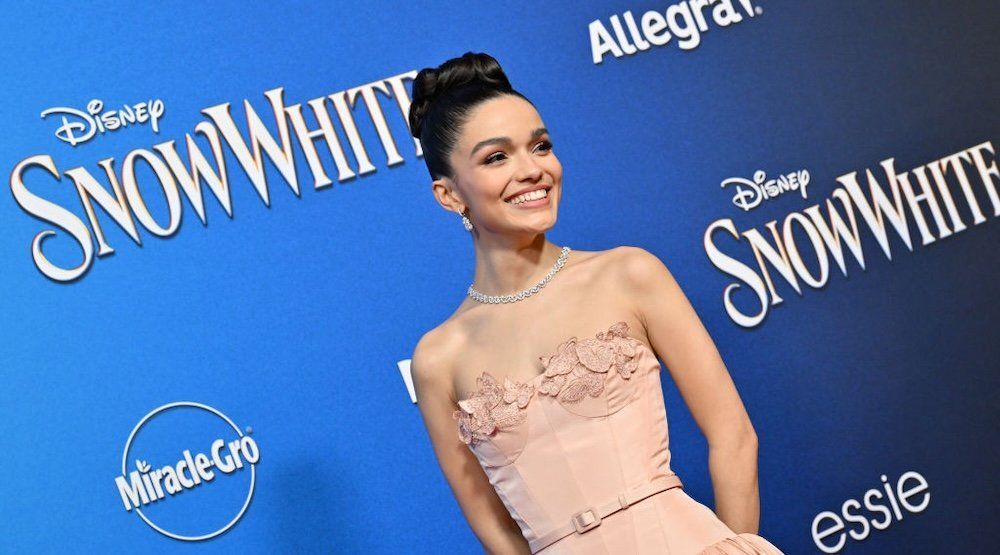
RELATED: Disney's woke 'Snow White' on life support

Photo by Axelle/Bauer-Griffin/FilmMagic
Eating the seed corn

For a while, the nostalgia economy worked. Remakes still posted strong weekends. Parks extracted more revenue per guest. But the company stopped enchanting children. Re-skinning "Beauty and the Beast" or "Aladdin" keeps cash flowing for a season; it plants nothing for the future. You can only harvest memories if children are making new ones now. Disney has been eating seed corn instead of planting for tomorrow.

That creative retreat shows up in the audience. The company trains adults to consume experiences rather than build households. Disney adults don’t just buy tickets and merch; many postpone or abandon the basics of civilization — marriage, kids, a home — so they can keep chasing the next “exclusive.” Some even treat continuing their bloodline as evil. Disney is not solely to blame for this wider phenomenon, but it reinforces it and profits from it.

None of this means Disney’s executives are uniquely foolish. They followed the incentives. The audience that most reliably spends money was the one you made last generation: the kid who grew up inside Disney’s ecosystem and never left it. Social media turned that audience into free marketing. Wall Street demanded predictable growth, and nostalgia delivered on time. The trap is that nostalgia always cannibalizes tomorrow to feed today.

The moral is bigger than one company. A civilization that feeds on recycled memory while sneering at renewal is a civilization drifting toward hospice. Disney once sold childhood to children and, by doing so, sold a future to parents. By pivoting to the childless super-consumer, it sold out both.