European Author Of Banned Book: ‘It Is Christianity They Are Trying To Censor’
 European authorities are not only banning Christians from writing about the Bible, but trying to keep the world unaware they have done so.
Social media users have been mulling over some puzzling posts made by the White House earlier this week.
The posts, reportedly made within an hour of each other on Wednesday night, have raised more questions than answers due to their cryptic nature.
'All true patriots, GO!'
One of the posts, which has since been deleted, contained a video showing a woman's feet and a voice saying, "It's launching soon, right?"
When asked about the video, a source familiar with the matter told Blaze News, "I wonder what's launching soon!"
RELATED: 'Utterly false': White House sets the record straight over media's 'laughable' Iran narratives
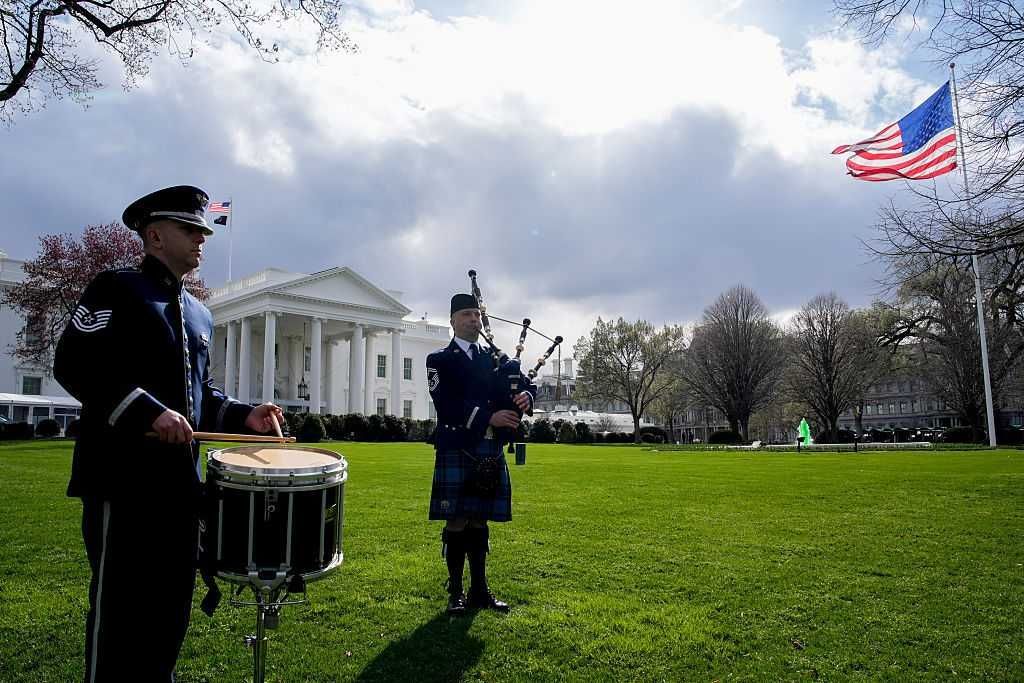
The second video remains available on the White House's X page. It has received over 16.6 million views at the time of writing.
The four-second video shows a black screen that then flashes an image of an American flag on a flagpole. The flashing image of the flag is accompanied by a recognizable phone text tone. The caption features two emojis: a phone emoji and a volume emoji.
Some commentators joked in the comments about the possible meaning of the video.
"Activation signal received," Jack Posobiec said.
"All true patriots, GO!" Raw Egg Nationalist joked.
"Standing back and standing by," Nic Carter wrote.
Like Blaze News? Bypass the censors, sign up for our newsletters, and get stories like this direct to your inbox. Sign up here!
A landmark settlement delivered a blow to the censorship industrial complex that silenced Americans during the COVID era.
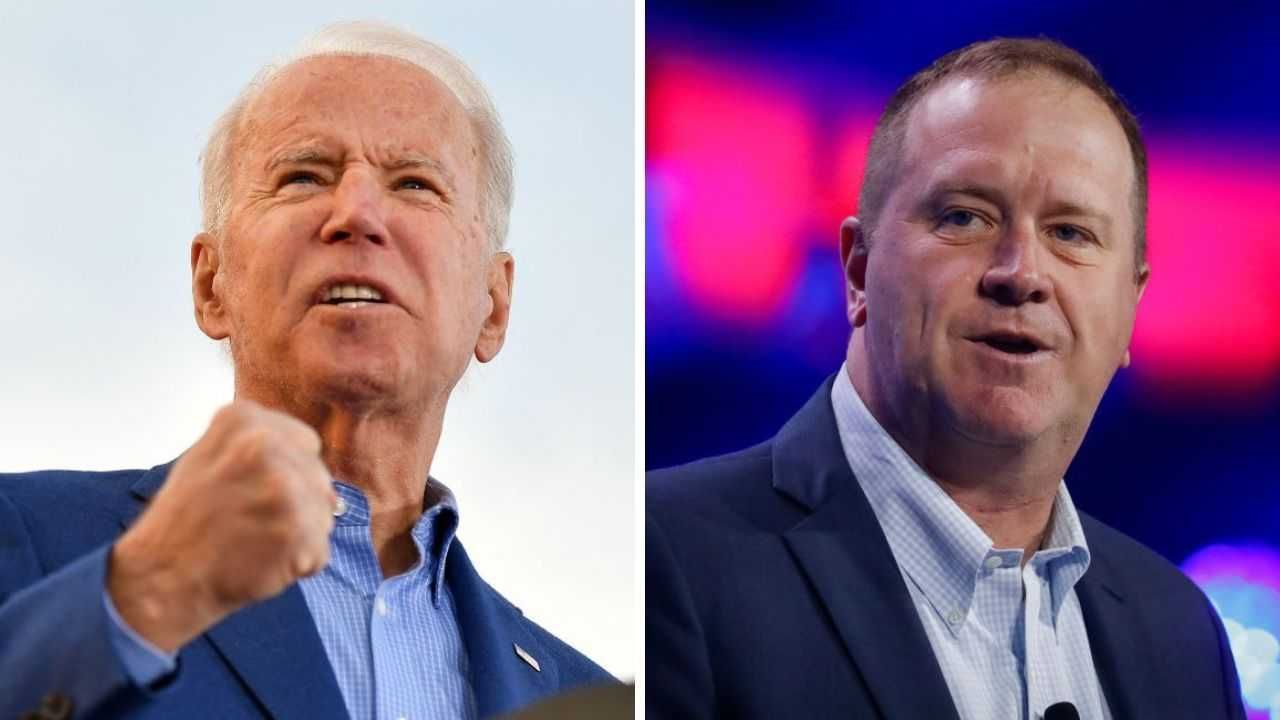
Sen. Eric Schmitt (R-Mo.) announced Tuesday that Missouri had reached a settlement agreement with the U.S. government in its Missouri v. Biden lawsuit, which accused the Biden administration of violating Americans' First Amendment rights by directing social media companies to censor speech challenging the government's COVID messaging.
'For every working Missouri family tired of being silenced by their own government: this victory is yours.'
Schmitt filed the lawsuit against the Biden administration while serving as Missouri attorney general, before securing his Senate seat.
The agreement included a 10-year Consent Decree that enforces a narrow permanent injunction on the surgeon general, the Centers for Disease Control and Prevention, and the Cybersecurity and Infrastructure Security Agency. The injunction prevents them from threatening social media companies with any form of punishment if those companies fail to remove or suppress content that contains protected speech.
However, this ban applies only to posts made on Facebook, Instagram, X, LinkedIn, and YouTube by the specific plaintiffs in the case, including Missouri and Louisiana government officials and agencies acting in their official capacity. It does not extend to other social media networks or content posted by the general public.
"The Parties also agree that government, politicians, media, academics, or anyone else applying labels such as 'misinformation,' 'disinformation,' or 'malinformation' to speech does not render it constitutionally unprotected," the agreement reads.
The court must first approve this settlement agreement.
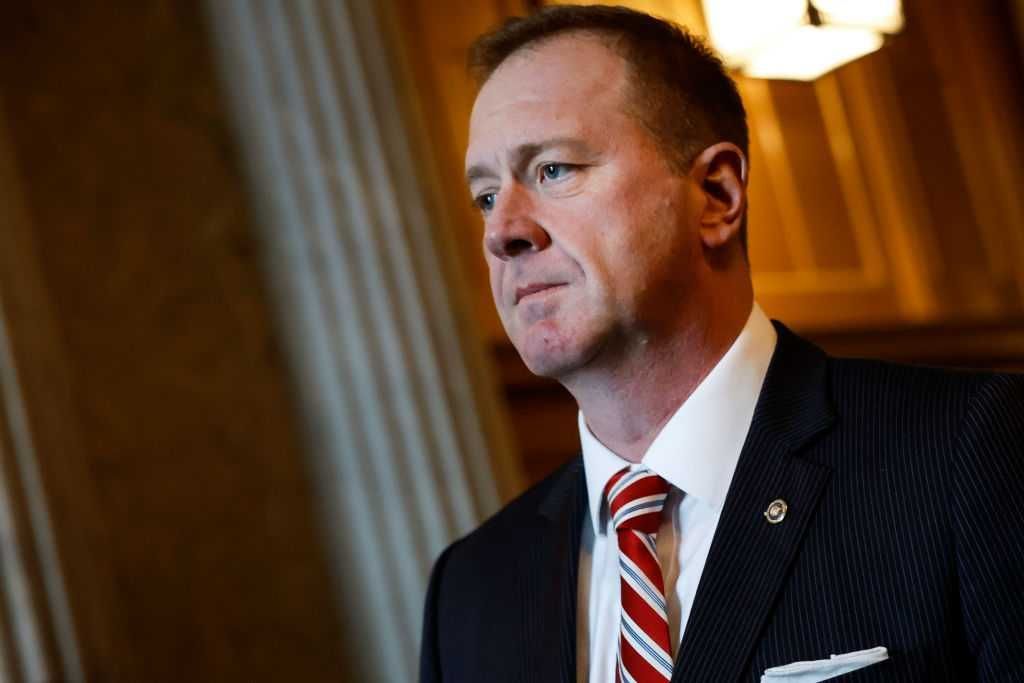
"We just won Missouri v. Biden," Schmitt wrote in a post on X. "As Missouri's Attorney General, I sued the Biden regime for brazenly colluding with Big Tech to silence Missouri families — censoring the truth about COVID, the Hunter Biden laptop, the open border, and the 2020 election. They tried to turn Facebook, X, YouTube, and the rest into their private speech police, labeling dissent 'misinformation' while they pushed their narrative on the American people."
Schmitt called the Consent Decree the "first real, operational restraint on the federal censorship machine."
He explained that it "directly binds the Surgeon General, the CDC, and CISA: no more threats of legal, regulatory, or economic punishment. No more coercion. No more unilateral direction or veto of platform decisions to remove, suppress, deplatform, or algorithmically bury protected speech."
"For every working Missouri family tired of being silenced by their own government: this victory is yours. The heartland fought back, and the heartland delivered," Schmitt concluded.
RELATED: 'Karma is a b***h': Trump taps epidemiologist targeted by Biden admin and censored online to run NIH
Benjamin Weingarten, a senior contributor at the Federalist, addressed the victory's narrow application.
"This decree is limited to the plaintiffs, but as precedent, and practically, its impact may prove orders of magnitude more powerful in protecting disfavored speech," Weingarten wrote, calling it "a momentous blow for the First Amendment."
National Institutes of Health Director Jay Bhattacharya, who had to withdraw as a plaintiff in the case after being appointed by the Trump administration, called the settlement "a huge win for all Americans."
"Huzzah! The consent decree in Missouri v. Biden is a historic victory for free speech in the US. Though I had to switch to the government side in the case after I became NIH director, I've never been more pleased by 'losing' in my life," he wrote.
Like Blaze News? Bypass the censors, sign up for our newsletters, and get stories like this direct to your inbox. Sign up here!
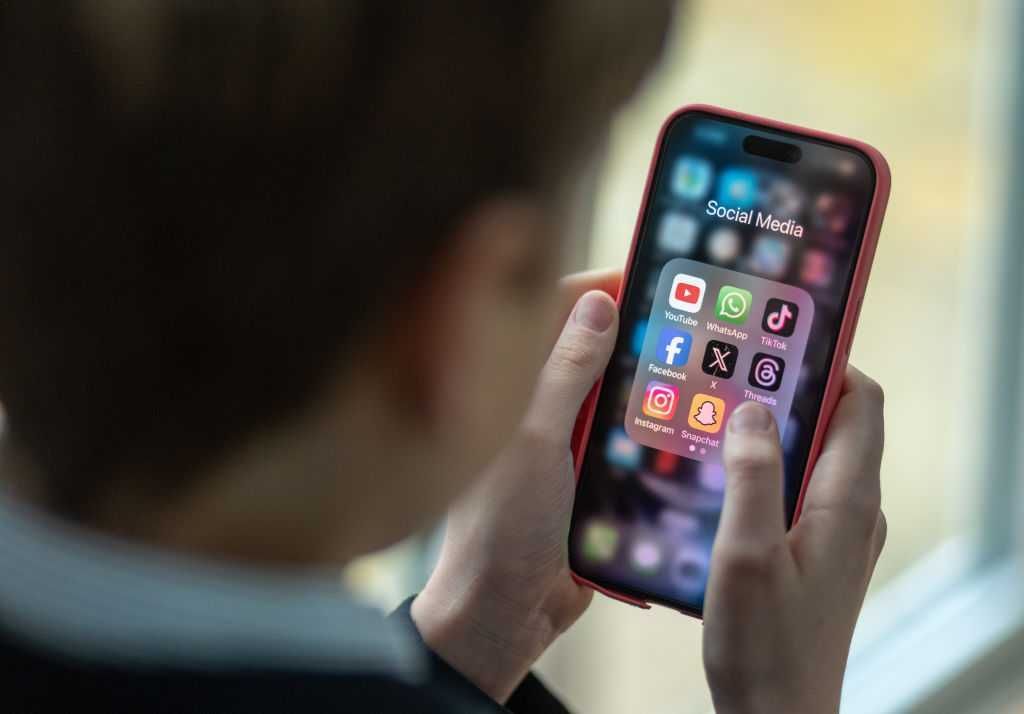
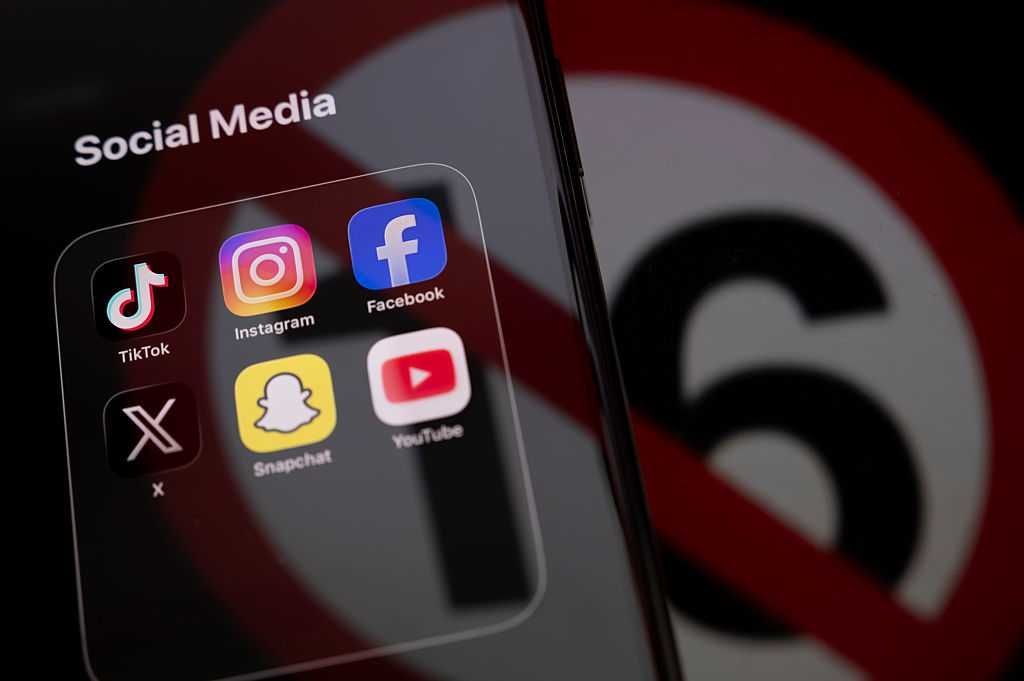
California has a habit of importing some of the worst tech-regulation ideas from overseas. After lawmakers enacted a censorial statute cribbed from the U.K. in 2022 — and watched it run headlong into an injunction — the Golden State now appears eager to borrow from Australia, which in December barred children from major social media platforms.
Earlier this month, California lawmakers introduced a bill to impose “a minimum age requirement to open or maintain a social media account.” Governor Gavin Newsom (D), who usually avoids weighing in on pending bills, publicly endorsed the idea.
Will America keep light-touch rules that protect consumers without strangling innovation — or import Europe’s heavy-handed, fear-driven approach?
However well intentioned, the Australian model collapses on prudential grounds. In the United States, it also invites a swift constitutional challenge — and likely a swift defeat in court.
Most proposals that force platforms to distinguish between adults and minors require age verification. That means users must hand over sensitive personal information — usually government ID documents or biometric data — as the price of entry to the platforms where everyday digital life happens. Once companies collect, process, and store that data, it becomes a tempting target. Hackers do not need ideology, only opportunity.
The roster of victims reads like Don Giovanni’s catalogue. The list includes corporations such as Target, Equifax, Marriott, Capital One, MGM Resorts, and T-Mobile. Platforms from Facebook to X.com to the “Tea” app were also hit. So were third-party verification services. Even in France, where regulators tried to build a privacy-protective system, a third-party age verifier exposed sensitive user data. In the digital age, breaches and leaks are simply a fact of life.
Legislation promoted as “child protection” thus runs into a basic contradiction: it can expose children to new forms of harm. As the R Street Institute and Experian have reported, 25% of minors will become victims of identity fraud or theft before they turn 18. Age-verification mandates would widen the attack surface and increase the odds that minors’ information gets stolen, misused, or sold — and that families spend years cleaning up the wreckage.
Some advocates now treat constitutional objections to “child-safety” bills as impolite. Courts don’t share that squeamishness. In recent years, judges have enjoined multiple constitutionally defective state laws, leaving behind little more than wasted taxpayer dollars and public frustration, while state attorneys general mount doomed defenses.
Newsom’s favored approach also clashes with a Supreme Court precedent California already lost: Brown v. Entertainment Merchants Association. In that 2011 case, the court struck down a California law that restricted minors’ access to violent video games. Justice Antonin Scalia’s majority opinion applied strict scrutiny — a demanding standard — and rejected the state’s argument that the law simply “helped” parents.
Scalia’s point applies with even greater force here. A sweeping ban on minors’ access to social media would function less as parental support and more as state substitution. The state would not merely empower parents; it would decide what parents should want, then impose that judgment across the board.
RELATED: Kids have already found a way around Australia's new social media ban: Making faces
In American law, parents generally hold the duty — and the right — to decide what media their children consume. That principle does not stop at the edge of the internet.
The broader fight over technology policy often turns on a single question: Will America stick with light-touch, sensible regulation that protects consumers without strangling innovation — or will it import the heavy-handed, fear-driven regulatory posture popular abroad, especially in Europe?
The American technology sector grew and thrived in the internet era. Many foreign regimes, more focused on expansive “safety” mandates than innovation, privacy, or consumer benefit, have not.
Lawmakers should borrow good ideas wherever they find them. But California keeps shopping in the wrong aisle. If Sacramento wants to protect kids, it should start with tools that don’t require building a mass ID-check system for the entire public — and that don’t hand criminals a richer trove of data to steal.
It’s wise to learn from other countries. It’s foolish to copy their worst mistakes.
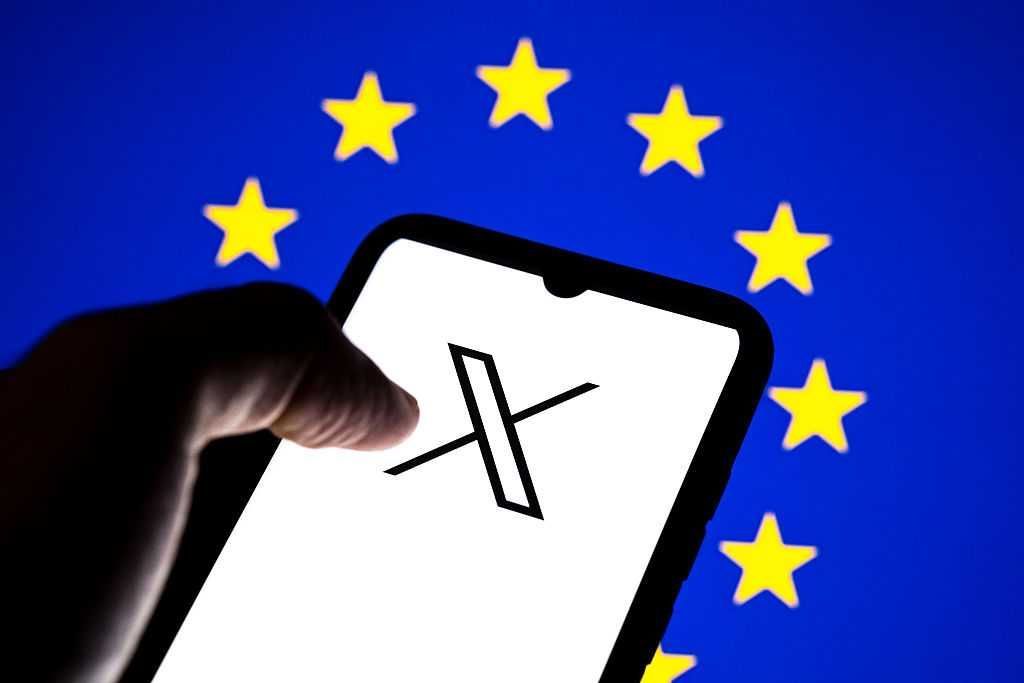
Late last month, Elon Musk’s X.com launched a landmark legal challenge against a $140 million fine issued by the European Commission last December under the Digital Services Act, an EU censorship law. The case was filed at the General Court of the EU, which hears high-stakes challenges to EU regulatory and enforcement actions.
The commission claims the fine, the first to be issued under the DSA, was for alleged transparency and procedural breaches, which X denies. But the real reason the company was targeted is clear: X is a free-speech platform, and Elon Musk refuses to implement online censorship in the EU and around the world.
This case is the first-ever challenge to Europe’s bid to become a global censor. The outcome matters deeply for the free-speech rights of billions of people around the world.
This case, which ADF International proudly supports, underscores the grave threat the DSA poses to free speech. The law, which took effect in 2024, requires “very large online platforms” — such as X, Meta, and Google — that operate in or are accessible from the EU and have more than 45 million monthly users to remove so-called illegal content.
“Illegal content” takes its meaning from a host of speech-restrictive laws across EU countries, including Germany’s ban on insulting a politician. The law also requires platforms to “mitigate” so-called “systemic risks,” such as “negative effects” on “civic discourse,” “electoral processes,” and “gender-based violence.”
Codes of conduct have also been added to the legislation regarding “disinformation,” “hate speech,” and guidelines on electoral processes and the protection of minors, resulting in 153 pages of additional regulations that were never voted on. Platforms face massive fines of up to 6% of global annual turnover for noncompliance with the DSA and can even be suspended in the EU.
The vague terms used in the legislation and codes of conduct are extremely broad and lack precise legal definitions, meaning they are ideal tools for the commission to censor disfavored views. And the commission’s reach extends far beyond Europe.
A recent report from the House Judiciary Committee showed that Big Tech platforms face immense pressure from the commission to set their global content moderation rules to censorial DSA standards. This means the EU law is censoring speech not just in Europe, but also in the United States and around the whole world.
The case of Finnish parliamentarian Päivi Räsänen demonstrates what DSA censorship will look like in practice. After six years of criminal prosecution, Päivi is awaiting a verdict from the Supreme Court of Finland for tweeting a Bible verse. She was prosecuted under the “War Crimes and Crimes against Humanity” section of Finland’s criminal code. Under the DSA, censorial laws like this will become the global baseline.
Since Elon Musk bought Twitter (now X) and turned it into a free-speech platform, Brussels has been clear about its hostility toward the platform. Former European Commissioner Thierry Breton issued a stark warning in 2023, stating: “You can run but you can’t hide. … Fighting disinformation will be legal obligation under #DSA. … Our teams will be ready for enforcement.” Former commission Vice President for Values and Transparency Vera Jourová added: “Twitter has attracted a lot of attention, and its actions and compliance with EU law will be scrutinized vigorously and urgently.”
RELATED: Out of order: Courts shouldn’t rule based on ‘trust us’ science
It’s clear why the commission gave X.com the first-ever DSA fine last December. It was sending a message to all Big Tech platforms about what will happen to platforms that refuse to accept censorship.
That is what makes X.com’s legal challenge so important — the company is fighting for the right of citizens around the world to freely express their views online. In this case, the social media giant is challenging the centralized powers given to the commission by the DSA, which it argues violate its right to due process and are contrary to the rule of law.
The commission is able to set the rules for content moderation, set up the infrastructure, launch investigations, and issue penalties under the DSA, all with no meaningful oversight. If this is allowed to stand, the EU will have the unchallenged ability to police the global public square, with dire consequences for online free speech.
Now the court has an opportunity to hold the commission to account. An oral hearing is expected in the case, potentially by the end of 2026, and the subsequent ruling will affect how all Big Tech platforms are moderated by the DSA. X.com is arguing for the fine to be withdrawn, and if the basis for the fine is found not to be compliant with other EU laws, specific provisions in the legislation could be annulled.
This case is the first-ever challenge of the commission’s bid to become a global censor. The outcome matters deeply for the free-speech rights of billions of people around the world.
Editor’s note: This article was originally published by RealClearPolitics and made available via RealClearWire.
After an incredibly eventful week of Olympic victories for Team USA, one leftist outlet got what it had coming when it said that feeling patriotic was "yucky."
While hundreds of accounts roasted the author and the article, one three-word reply from a restaurant stole the spotlight and left the HuffPost the clear loser in the exchange.
'This is the only acceptable response to HuffPost.'
HuffPost's original post on Saturday, captioned, "If waving the American flag or chanting 'USA' turns you off right now, you're not alone," received a simple comment from Jimmy's Famous Seafood.
"Go f**k yourself," the family-owned restaurant's account said Sunday.
RELATED: HuffPost gets absolutely scorched over article saying Olympics patriotism feels 'yucky'

Many major accounts announced that Jimmy's Famous Seafood had earned a follow in the wake of the viral reply.
"This is the only acceptable response to HuffPost," Nick Sortor said.
"Okay do you have locations in Florida patriot?" BlazeTV host Auron MacIntyre asked.
"Only one location — family owned and operated. We ship to all 50 states however!" the account replied.
Jimmy's Famous Seafood is based in Baltimore, Maryland, where it has been operating since 1974.
At the time of writing, Jimmy's Famous Seafood had just under 360,000 followers on X. Its reply received over 13 million views, compared to 10 million views of HuffPost's original article.
Like Blaze News? Bypass the censors, sign up for our newsletters, and get stories like this direct to your inbox. Sign up here!
While immigration enforcement has faced some hurdles, including a partial government shutdown, law enforcement has continued to take down criminals. In a major score for Houston Immigration and Customs Enforcement, authorities announced the arrest of two people who allegedly ran a major illegal operation.
On Wednesday morning, the official United States Customs and Immigration Services X, Facebook, and Instagram accounts announced the arrest of an "alien from India" and his "spouse" in Texas, where they were allegedly running a "large human smuggling operation."
'He and his spouse were apprehended ... on charges of human smuggling, document fraud, and overstaying their visa.'
"He and his spouse were apprehended at our Houston office by @ICEgov on charges of human smuggling, document fraud, and overstaying their visa," USCIS wrote.
"Human traffickers will be caught and held accountable," the account added.
RELATED: No more 'safe harbor for illegals': Colony Ridge settles with DOJ, Texas

A USCIS spokesperson referred Blaze News to ICE for comment since ICE made the arrests.
Blaze News reached out to the DHS, ICE, and its Houston field office for comment but did not receive a response.
This is a developing story. Check back for updates.
Like Blaze News? Bypass the censors, sign up for our newsletters, and get stories like this direct to your inbox. Sign up here!


 www.theblaze.com
 thefederalist.com