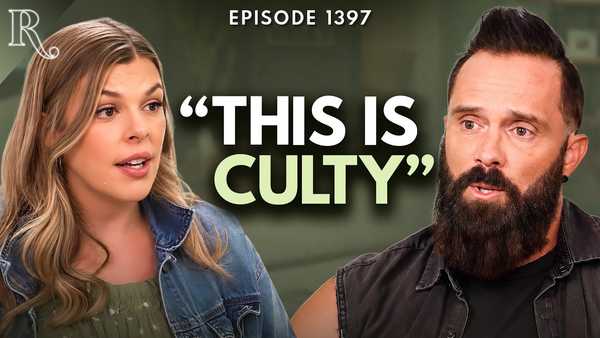
'Get woke, go broke': Nike is getting CRUSHED online after cratering in value

The Nike sportswear company has lost so much value that it's getting tossed out of the S&P 100 stock index charting the top 100 U.S. businesses.
The company was mocked by many on the right over its marketing campaigns featuring controversial quarterback Colin Kaepernick and transgender activist Dylan McDermott.
'NIKE filled its executive positions with feminists and woke ideology advocates. ... Companies that embrace femicentric ideologies and DEI buls**t will always suffer.'
Nike has lost about $200 billion in market valuation since reaching its highest value in 2021.
The company's CEO, Elliott Hill, said that he was confident the company could reverse the downturn in a recent earnings call with investors.
"Overall, the results aren’t there yet," he admitted.
Many on the right called for a boycott of Nike products after the company signed up Kaepernick to promote the brand while he continued to bash police and support the "Black Lives Matter" movement.
The company also partnered with McDermott to push the transgender agenda.
"Well, Nike sure owned the floor. And busted right through it. Get woke, go broke," wrote Spencer Pratt about one of the company's ads.
"Bye Bye Nike. Your WOKE arrogance caught up with you and you will not be missed. Please share the hard learned message with your NFL, NBA, MLB brethren and WNBA sisters," responded Rep. Burgess Owens (R-Utah).
"NIKE filled its executive positions with feminists and woke ideology advocates. Its stock has been plummeting. Companies that embrace femicentric ideologies and DEI buls**t will always suffer," said another critic on X.
"I've said many times: I will never buy another Nike product again in my lifetime after they shoved that anti-American a**hole Kaepernick in our faces," said one detractor.
Nike had been included among the S&P 100 for 18 years.
RELATED: Mike Rowe speaks out about Nike's Kaepernick ad, and it's powerful
Others pin Nike's implosion on the shift in sales strategy to sell shoes directly to the consumer. That campaign was orchestrated by the previous CEO, John Donahoe.
The company's stock has slid 53% since Hill took over after Donahoe.
Like Blaze News? Bypass the censors, sign up for our newsletters, and get stories like this direct to your inbox. Sign up here!
NFL makes social justice announcement fans probably aren't going to like
With the start of the NFL season barely a week away, fans are clamoring for news about their team's starting quarterback or star receiver.
Instead, viewers are getting what is likely to feel like another puzzling, unnecessary confirmation about the upcoming season.
'The only thing more powerful than hate is love.'
It's been a decade since former San Francisco 49ers quarterback turned activist Colin Kaepernick took a knee during the national anthem, causing nationwide controversy.
Kaepernick's argument that the United States "oppresses black people" had a monstrous effect on the league, pushing the NFL into activism from seemingly every angle.
The death of George Floyd and the 2020 Summer of Love riots inspired more political messaging in the NFL — in its stadiums, on player equipment, and in front offices.
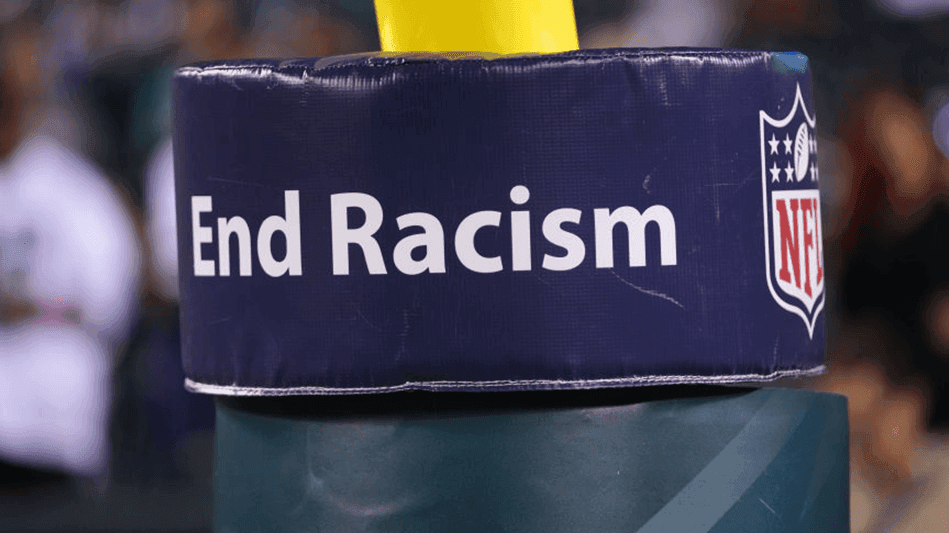
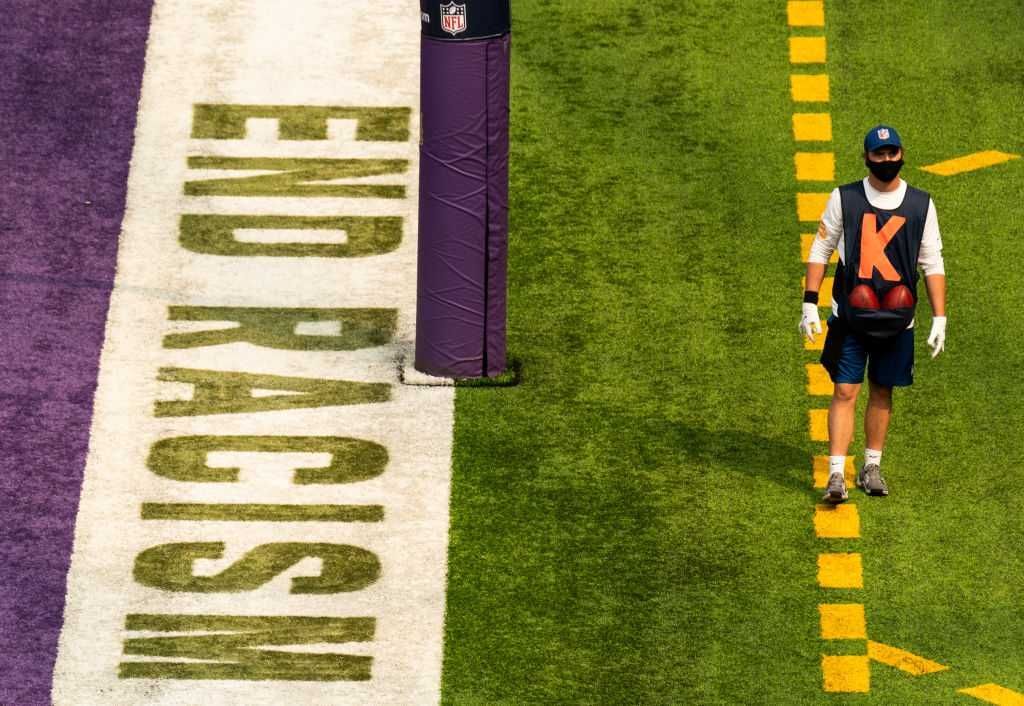
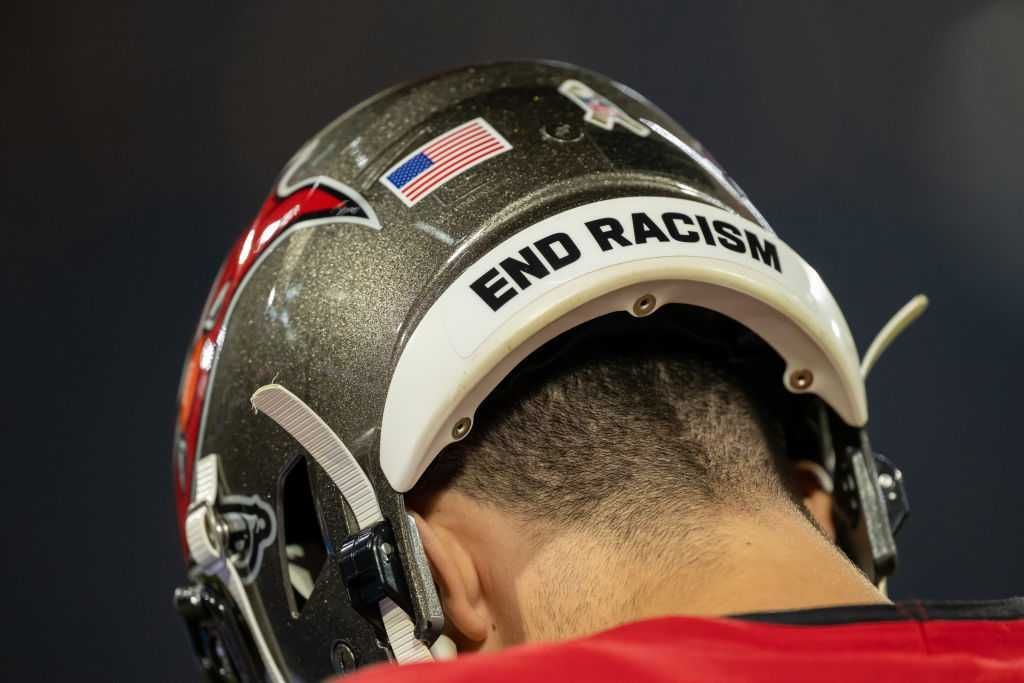
Now, the NFL has confirmed it will continue its league-wide platitudes for yet another season, specifically confirming its social justice messaging will remain on fields and player helmets.
"We are continuing with both the end zone stencils and helmet decals this season," an NFL spokeswoman told Front Office Sports.
This program typically manifests in messages like "End Racism."
RELATED: Al Michaels divides NFL fans with Trump jab during 'Thursday Night Football': 'Read the news'
According to the report, the NFL will also carry over its use of the song "Lift Every Voice and Sing," colloquially known as the black national anthem, before the Super Bowl and other events. It has been used in season openers since 2020, as well.
Also reportedly returning is the NFL's partnership with rapper Jay-Z's Roc Nation, the company behind the 2026 Super Bowl halftime show fiasco with singer Bad Bunny.
The Puerto Rican artist's performance this year had him deliver just one line in English, while angering fans with progressive messaging like, "The only thing more powerful than hate is love."
The NFL will still champion the phrase "Inspire Change" as its main social justice initiative promoting the following pillars: education, economic advancement, community-police relations, and criminal justice reform, which focuses on "key reforms" to the system like "pre-trial detention."
RELATED: Enes Kanter Freedom responds to WNBA owner comparing his protest to shooting someone
Other programs that aren't going anywhere are the NFL's "My Cause My Cleats" initiative that allows players, coaches, and staff to wear custom cleats to showcase causes or nonprofits on their shoes. The cleats are typically worn during games and later auctioned off for charity.
Also returning is the NFL's support for historically black colleges and universities.
Troy Vincent Sr., NFL executive vice president of football operations, simply says on the NFL website that the league works with HBCUs to "provide opportunities to students and administrators from these great institutions."
Like Blaze News? Bypass the censors, sign up for our newsletters, and get stories like this direct to your inbox. Sign up here!
DEI refuses to die
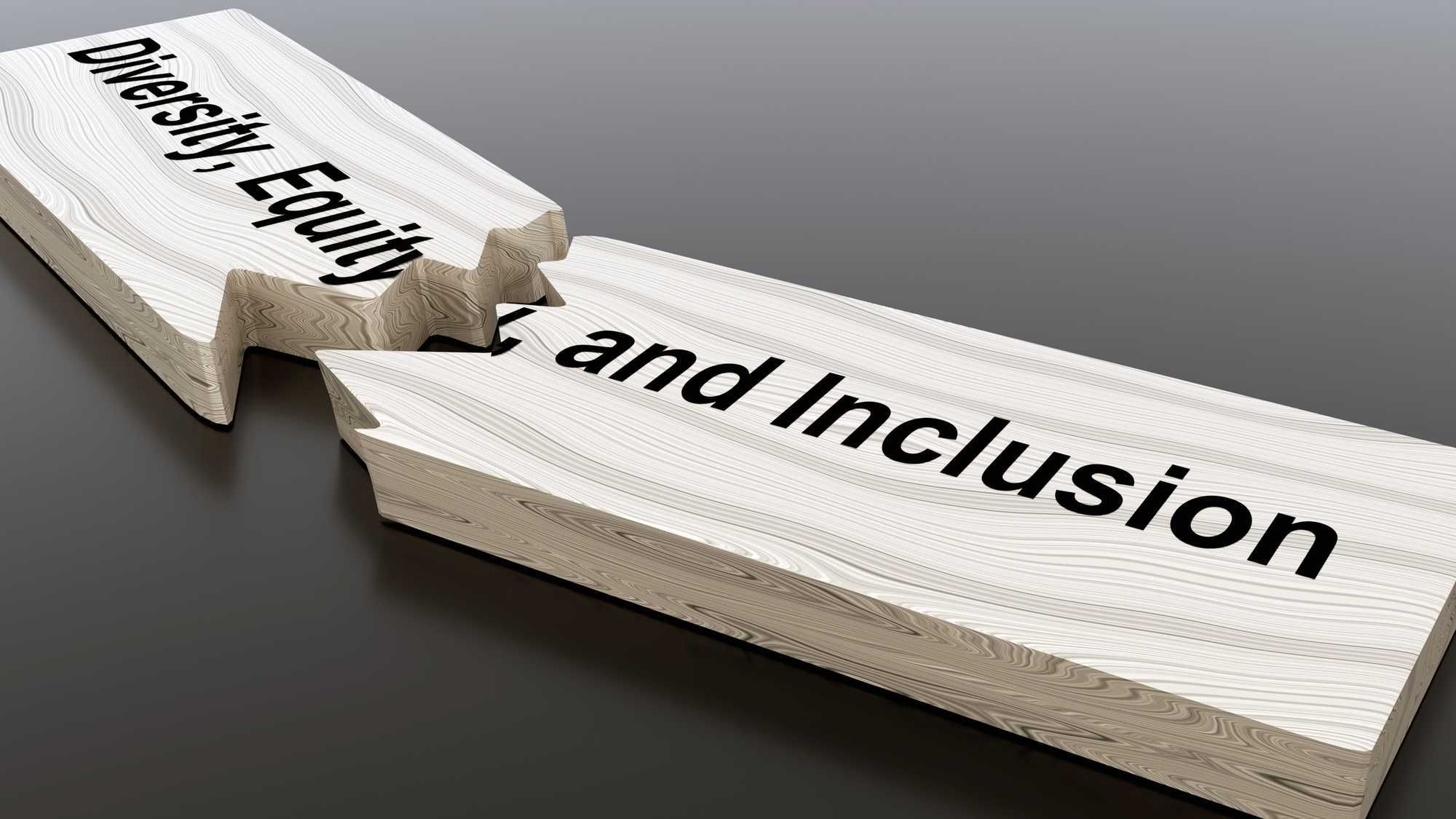
Although the 14th Amendment to the U.S. Constitution and civil rights laws dating back to 1866 prohibit nearly all racial preferences, most Americans oppose these preferences, and Donald Trump was elected vowing to eliminate DEI — progressives won’t give up.
Their race-obsessed thinking reduces America to intersectional classifications of oppressed and oppressor. This addled concept is a self-defeating dialectic in which no amount of progress on race relations is ever enough — or even acknowledged.
Numerous companies, such as Apple, Microsoft, Costco, Delta, and Cisco, openly continue their DEI programs.
Despite enormous advances, with the possible exception of Palestinians and transgender people, no group is seen as more oppressed and deserving of preferences than African-Americans.
In 2025, President Trump issued executive orders that revoked President Biden’s whole-of-government mandates interweaving DEI into all facets of the federal government. Since then, the Civil Rights Division of the Justice Department under Harmeet Dhillon has filed numerous administrative actions and lawsuits to end racial preferences that disadvantage whites, and some universities, corporations, and charities have limited their DEI programs.
Conversely, many universities have defied the Supreme Court’s 2023 holding in Students for Fair Admissions v. Harvard by renaming or reformulating their DEI programs. Some are using a loophole in the SFFA decision that acknowledged colleges may consider how an applicant’s race affected his life.
In just the last three months, the Justice Department announced at least 25 investigations, lawsuits, and settlements involving allegedly unlawful racial preferences by the College of William & Mary, Duke University, a Jersey City college prep course, City University of New York, the state of Minnesota, the city of Evanston, Illinois, Arizona State University, University of California Davis Medical School, University of California San Diego Medical School, and 15 other medical schools.
A State Department internal review announced last week found that the Biden administration required foreign service officers to read materials on critical race theory, slavery reparations, anti-racism, and so-called “white fragility.” To be eligible for promotion, they had to discuss DEI with foreign counterparts to demonstrate “allyship.”
They were trained on how to talk about “Black Lives Matter” and “systemic racism” in foreign languages and to use progressive-approved terminology. The State Department claims that it has finally “put an end” to these practices.
Then last month, a federal judge in California ruled that the Departments of Homeland Security, Justice, and Interior exceeded their authority by imposing conditions ending DEI in grants to California cities. Defending Education, an education watchdog, found that America’s two leading teachers’ unions, the National Education Association and American Federation of Teachers, are embedding DEI principles into policies for classroom use of AI.
Numerous companies, such as Apple, Microsoft, Costco, Delta, and Cisco, openly continue their DEI programs, and the pace of litigation shows that many other companies and institutions covertly do so.
RELATED: California regulates everything — except the trial lawyers exploiting it

In 1996, California stunned the nation when 55% of voters approved Proposition 209, which amended the state’s constitution to prohibit public institutions from considering race, sex, or ethnicity in employment, contracting, and education. In 2020, Democrats unsuccessfully sought to repeal Prop 209.
California next tried to require public companies to include blacks and other “underrepresented” minorities on their boards. The California courts struck that down. Now, California is moving toward authorizing reparations for its black residents.
A decade after ratification of the 14th Amendment, the Supreme Court declared that the purpose of the Equal Protection Clause is that “the law in the States shall be the same for the black as for the white; that all persons, whether colored or white, shall stand equal before the laws of the States.”
Progressives don’t care.
On Real America’s “Get Real,” RealClear publisher David DesRosiers seeks common ground across the political spectrum. One progressive panelist recently explained that blacks require preferences because it’s not “what you know” but “who you know.” Whites know all the right people, but blacks do not. What a dated perspective. How patronizing of blacks. How wrong.
More than half of all blacks in major metropolitan areas live in the suburbs, and their children are educated in suburban schools. About 12% of the students in Ivy League colleges are black, even after SFFA. There are 61 black members in the House (14%), five black senators (5%), two Supreme Court justices (22%), and about 184 black federal judges (8%). Blacks comprise about 10% of first-year medical school students, 8% of law school students, 2% of Fortune 500 corporate CEOs, and 13% of all Americans.
I am confident that most of these people know someone who can help them and their families, as do black professional athletes, artists, and actors, as well as more than 1,000 African-American mayors, 1,000 state legislators, 14 billionaires, and about 1.4 million black millionaires.
While listening to the panelist, I thought about the middle-class neighborhood in Brooklyn where I grew up. My neighbors were policemen, firemen, teachers, and plumbers. Good people. Not one of them was in a position to help me in my career or introduce me to someone who did.
I made my way with hard work and some luck, but never with help from anyone I knew growing up. Of course, I received support from people I met along the way at Columbia University and during my career, as did my black colleagues. It’s called “networking,” not racism.
RELATED: Why young men are done with Mike Pence ‘conservatism’
Yes, affluent people know more of the “right people” than poor people and have other advantages as well. Children from poor and low-income families typically face many obstacles due to their socioeconomic status. They often attend inferior K-12 schools and have less time for homework because of jobs or chores. They are less likely to benefit from two actively involved parents and receive, on average, less guidance and assistance.
Students from families in the bottom 25% income bracket comprise only 3% of enrollment in our most competitive colleges, while those from the top 25% comprise 72%. Studies show that high-achieving, low-income children who have lower GPAs and SAT scores than affluent children achieve college grades and graduation rates at the same level as affluent students. Their scores can be “normed” for these differences, even without special programs.
Blacks are more likely to be poor than whites, and consequently, would disproportionately benefit from this approach. That’s fine with me — and more importantly, with the Constitution. Racial preferences are unconstitutional, illegal, and immoral; helping low-income Americans is not.
I defy any children of Michelle Obama, Eric Holder, Jeh Johnson, Beyonce, or Ibram X. Kendi to deny that they have every advantage, including a terrific education and a network of contacts that millions of white Americans lack.
More than once, the U.S. Supreme Court has observed that “distinctions between citizens solely because of their ancestry are by their very nature odious to a free people." As Chief Justice John Roberts declared, “The way to stop discrimination on the basis of race is to stop discriminating on the basis of race.”
When the Constitution, federal laws, and opinion align, progressives should respect our values. Here, that would mean restoring equality and the dignity of blacks by ending the disgrace of DEI.
This article was originally published by RealClearPolitics and made available via RealClearWire.
Racism Isn’t Fueling Power Outages In Gary, Indiana. Incompetent Black Leaders Are
 It is not racism preventing Gary from thriving. It is apathy, political thievery, and race obsession.
Every Democrat Should Be Asked: What About ‘Woke 1’ Was ‘Crazy’?
 No one who lived through the past 10 years should allow Alexandria Ocasio-Cortez to giggle away the hell called “woke” that she and Democrats inflicted on this country. It can’t possibly be that easy for them to move on from what they did just because they know it’s unpopular and it complicates things for their […]
Socialists’ Demands To Abolish Police And Prisons Will Mean More Dead Americans
 While Democrats claim that 'black lives matter,' their policies of defunding the police and getting rid of prison means more black people will be victims of violent crime.
Cambridge star Jason Arday was the perfect DEI success story. Is that why nobody questioned him?
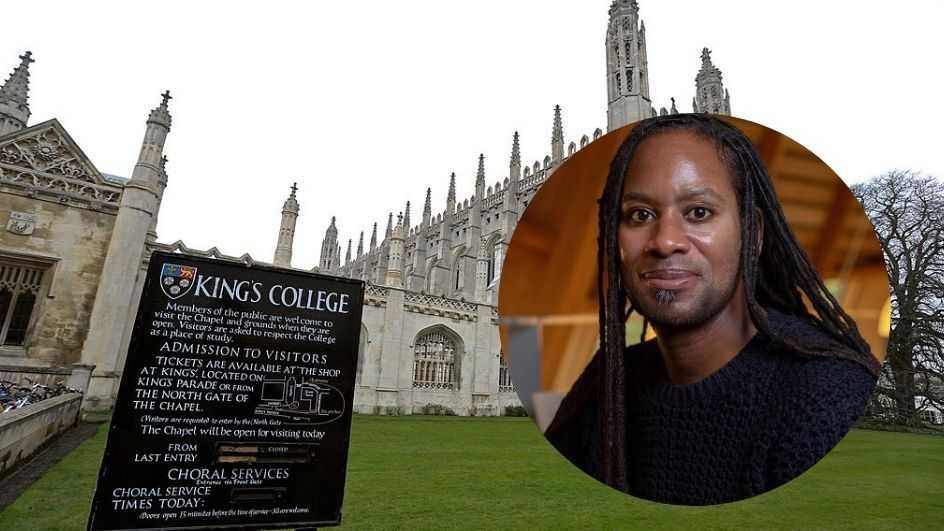
The youngest black professor in Cambridge University's 800-year history is under attack.
At least that's what some of Britain's most prominent academics, politicians, and racial activists would like you to believe.
Anyone curious about why the allegations refuse to disappear can examine some of the evidence for himself.
“Rightwing newspapers are trying to smear him with fake accusations of plagiarism,” declares a petition organized by the Good Law Project. “We can't let them.”
The letter describes the allegations against Jason Arday as “entirely false” and repeatedly calls them “baseless,” while warning that continued scrutiny of the Cambridge professor sends a dangerous message to “aspiring Black and Brown young people.”
Among the signatories are members of Parliament, peers, professors, the leader and deputy leader of Britain’s Green Party, a Black Lives Matter organizer, and, perhaps most remarkably, the master of Arday’s own Jesus College at Cambridge.
These are educated people, so presumably they know what “baseless” means.
An accusation is baseless when there is no factual basis for making it. Whatever else can be said about the allegations against Arday, that plainly isn't true.
Researchers didn't simply announce that they suspected him of plagiarism. They produced side-by-side comparisons identifying extensive passages in Arday's academic work that appeared identical or strikingly similar to previously published scholarship. Universities and journals subsequently investigated those allegations and declined to find intentional misconduct.
That is evidence that Arday may have been wrongly accused of plagiarism. It does not magically erase the evidence that prompted the accusations — the basis for these accusations, if you will.
'Unlikely story'
Arday himself has acknowledged errors in his academic work while denying deliberate plagiarism. As questions have spread from his scholarship to the extraordinary claims in his biography, he has offered a simple defense: “Nobody lives their life having a receipt for every single thing they say or they’ve done.”
Fair enough. But few people have a résumé quite like Jason Arday’s.
A man who couldn't read until he was 18 goes on to earn a doctorate and become a professor at Cambridge University. Along the way, he runs 30 marathons in 35 days, the final nine with a broken leg. He raises £5.5 million for charity. He runs 600 miles in six days. He survives a brain tumor. He plays semi-professional football. He appears as a child on a celebrated television documentary series.
Even the Guardian, in a glowing 2023 profile, called Arday’s biography “an unlikely story.”
In retrospect it does sound a little too good to be true.
But then came the details that turned an old-fashioned inspirational story into something considerably more valuable in our DEI-obsessed era: Arday achieved all of this while overcoming poverty, autism, and the disadvantages of growing up black, the son of Ghanaian immigrants, on a council estate in south London.
Now it was too good not to be true.
No fact-checking, please
And therein lies the problem.
Arday wasn't merely an extraordinarily accomplished man. He embodied a story that Britain's academic and media establishment desperately wanted to tell: about race, class, disability, perseverance, and the institutions enlightened enough to recognize his brilliance.
Once enough people had invested in that story, questioning it meant questioning considerably more than Jason Arday. What would once have been called fact-checking now required something closer to apostasy: risking running afoul of elite culture's modish yet already entrenched creed about race, adversity, and its own enlightened virtue.
The moratorium on skepticism now appears to be over. One of the peculiarities of groupthink is how quickly it can run in reverse: once somebody finally pulls the first thread, everyone else suddenly becomes quite eager to participate in the unraveling.
The plagiarism allegations came first. Then journalists began attempting to confirm the extraordinary athletic and charitable claims that had been repeated for years. Arday acknowledged that his supposed 600-mile run took 12 days, not six, and that he had not personally raised £5.5 million for charity but had participated in a fundraising syndicate of around 100 people.
Who were the other 99?
Arday says he can't name them because he signed a non-disclosure agreement.
Run, Forrest, run
Then there's Arday's Forrest Gump-like brush with British television history.
During a 2022 talk, Arday recalled appearing as a child on "Seven Up," the landmark British documentary project that began following a group of 7-year-olds and returned to them every seven years. Arday said he participated at 7 and was removed from the project at 14.
There's a problem.
"Seven Up" first aired in 1964. Its subjects were born in 1957. Arday was born in 1985.
The BBC later produced a similar series called "Up: Millennium Generation," but that began in 2000, when Arday was 15. The BBC says he wasn't in that one either.
His academic résumé reveals similar discrepancies.
Arday's official Jesus College biography lists him as a visiting professor at both the University of Glasgow and Ohio State University.
The University of Glasgow now says that isn't true.
“I can confirm that Professor Arday isn't a visiting professor at the University of Glasgow,” a spokesman told the Herald. Asked whether he had ever held the position, the university was even more categorical: he “was never a visiting professor here.”
The confusion is easy to understand. Arday really was a professor at the University of Glasgow's School of Education beginning in 2021 before leaving for Cambridge in 2023. Somewhere along the way, however, that former professorship appears to have been transformed into an ongoing visiting one.
Ohio State says it has "no record of an employee by that name." Arday's profile specifically places him in Ohio State's Office of Diversity and Inclusion, which closed last year.
Paper trail
And then there is the matter that started all of this: the plagiarism allegations.
As his defenders are eager to point out, Arday has already been investigated and cleared of deliberate academic misconduct. But anyone curious about why the allegations refuse to disappear can examine some of the evidence for himself.
As far back as 2023, David Harris, professor emeritus at Plymouth Marjon University, had raised concerns with Cambridge about Arday's published work; three of Arday's papers were subsequently corrected.
Then on July 21 of this year, former Cambridge academic Nathan Cofnas claimed on his Substack that he ran Arday's doctoral thesis through plagiarism-detection software and found passages “lifted with minimal editing.” The Telegraph followed with its own reporting, identifying more than 100 passages similar to an earlier doctoral thesis by Paula Zwozdiak-Myers.
Cambridge responded by denouncing what it called a “vile campaign to undermine his credibility.” Even the Guardian acknowledged that the controversial racial views of Harris and Cofnas “appeared to inform Cambridge's response.”
And there, in miniature, is part of the problem. The evidence could no longer be separated from the supposedly disreputable people who had found it. Asking whether passages had been copied became entangled with asking why these particular men wanted to know.
Receipts, please
As for Arday, he denies deliberately plagiarizing anyone and has attributed some of the problems with his work to his autism. He says his way of making sense of information has relied heavily on mimicry.
"I can't make people believe me," he recently told the Times. "Nobody lives their life having a receipt for every single thing they say or they've done."
Certainly not.
But nobody is asking Arday for documentary evidence of what he had for lunch on his 23rd birthday.
Professorships, multimillion-pound charity drives, near-record-breaking athletic achievements, television appearances, and published academic scholarship are precisely the sorts of things that tend to leave receipts.
So do police investigations. Arday previously said that a pig's head was delivered to his parents' home as part of a campaign of racial intimidation. He said police investigated and even located a butcher who had sold a whole hog on the morning of the incident.
This time it was the Guardian — three years after publishing one of the glowing profiles that helped establish the Arday legend — that started asking questions.
The Metropolitan Police could find no record of the investigation Arday described. The butcher reportedly identified in his account denied that police had visited.
RELATED: The Godfather
Don't ask
Timing is everything. Had the Guardian gone after Arday any earlier, it may have run into the resistance Times Higher Education reporter Jack Grove faced.
In late 2025, Grove began looking into Arday after academics alerted him to apparent plagiarism. He emailed Arday, Cambridge, and Liverpool John Moores with questions about the thesis and Arday's extraordinary fundraising and endurance-running claims.
For this, Grove ended up under investigation by Scotland Yard.
Police spent four months investigating a harassment complaint before closing the case without taking action. Grove wasn't interviewed. In fact, he says he didn't even know he had been investigated until an officer called to tell him the case had been closed.
The officer nevertheless asked Grove not to contact Arday again because, according to Grove, his questions had affected the professor's mental health.
Arday also hired Carter-Ruck, the famously aggressive British law firm. In a letter to Times Higher Education, it suggested the publication's "apparent attack" on him might be "racially motivated."
Cambridge says it neither made the complaint against Grove nor knew one had been made.
New rules
How did so many extraordinary claims get this far?
Arday's Cambridge professorship was decided by a nine-member Board of Electors chaired by Baroness Sally Morgan, master of Fitzwilliam College and a deputy to Cambridge's vice chancellor. Cambridge says the other members included “distinguished academics from other universities.”
This was the culmination of a rapid ascent through academia, none of which seemed to have questioned any of Arday's claims. Simon & Schuster agreed to publish his memoir, “Great and Unfortunate Things,” under its 37 Ink imprint; it comes out next week. Meanwhile, newspapers such as the Guardian celebrated his glittering career and repeated the extraordinary biography that accompanied it.
By the time Cambridge appointed him, Arday's story had already acquired the reassuring sheen of institutional consensus.
In a new essay entitled “The Racial Crossroads,” Helen Andrews points out that under a sufficiently entrenched ideology, “proficiency in the ruling ideology is a criterion for advancement in any kind of career.”
The Guardian's 2023 profile is especially instructive because it allowed Arday to demonstrate just that proficiency.
Arday said his appointment represented “another strand of Black excellence.” He described Oxford and Cambridge as “thousand-year-old white establishments” and explained the difficulty faced by a person of color who “penetrates those legacy spaces.” Part of his mission at Cambridge was to dismantle its elitism.
You're either cheering Arday on, or you're part of the elitism he has come to dismantle. Once the incentives are made this clear, potential gatekeepers tend to police themselves. A sufficiently confident newcomer need only learn which doors nobody wants to be seen closing.
With that in mind, a line buried in the Guardian profile reads rather differently now.
“Arday does not view himself as intellectual, necessarily, but as someone who has determination,” the Guardian observed.
Or, as Arday himself put it: “If you have the will, it will always supersede skill.”
It's hard to think of a more apt motto for the diversity regime that helped propel Arday to Cambridge.
Gen Z is reopening America’s cold cases
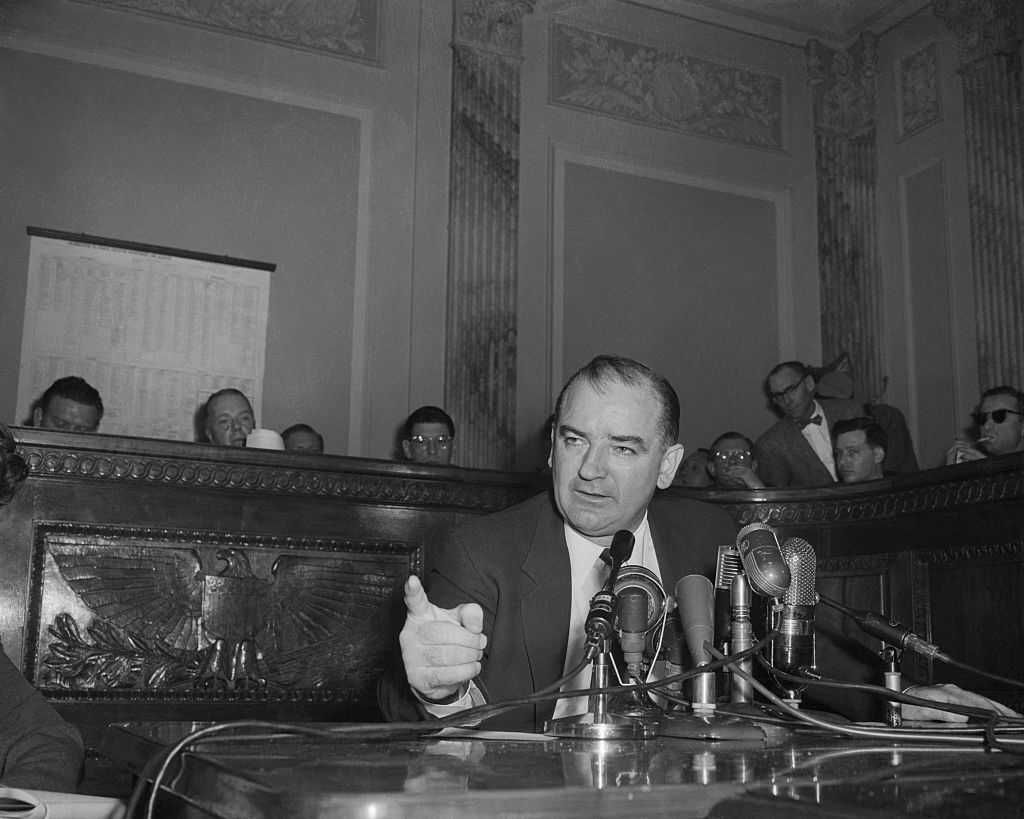
Joseph McCarthy, Richard Nixon, George W. Bush, and Andrew Jackson have little in common beyond one striking fact: Young Americans are revisiting reputations that schools, media, and popular culture once treated as settled.
The trend is not a wholesale endorsement of every decision these men made. It is a rebellion against inherited verdicts.
TMZ may fret that McCarthyism is returning. It isn’t. Institutional deference, however, may be gone for good.
As democratic socialists such as Francesca Hong and Zohran Mamdani have gained traction with voters, some young conservatives have revived interest in McCarthy’s campaign against communist influence in the United States. The slogan “Joseph McCarthy was right” has circulated online alongside renewed discussion of Soviet espionage and foreign political influence from countries such as Cuba and China.
McCarthy’s record remains contested, and the abuses associated with his name should not be waved away. But younger critics are increasingly unwilling to accept the textbook version in which he appears only as a paranoid bully who invented a threat that did not exist. One widely used history resource, for example, describes his methods as bullying tactics that created a climate of fear.
McCarthy is not alone.
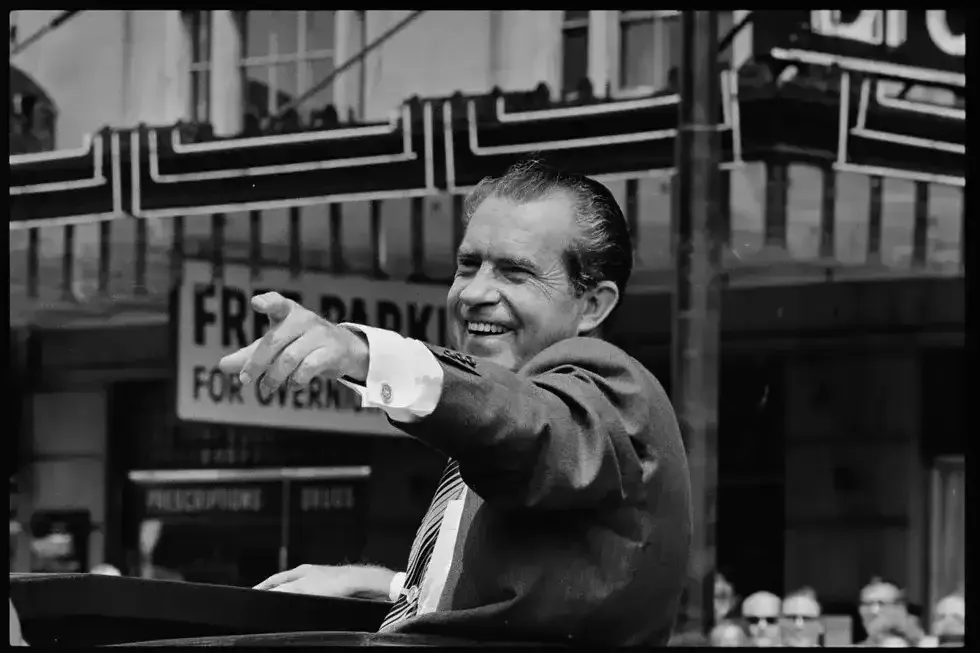
Richard Nixon became a viral figure this summer through “Nixon-maxxing,” an online fascination that mixes irony and style with a serious effort to reconsider his foreign-policy record and political downfall. George W. Bush, once a permanent punch line for late-night comedy, now appears in nostalgic images as a cowboy from a more confident American era. Andrew Jackson has also returned to online debate as younger people reassess his nationalism and tariff policy.
None deserves automatic vindication. McCarthy, Nixon, Bush, and Jackson were consequential men with real failures, bitter controversies, and legacies that remain open to dispute.
But their reputations were shaped by institutions that many members of Gen Z no longer trust.
Black Lives Matter activists tried to tear down Jackson’s statue in Washington. Legacy outlets treated Nixon’s name as shorthand for betrayal and corruption. Late-night television and “Saturday Night Live” spent years reducing Bush to a caricature.
When those same institutions lose credibility, their historical judgments lose authority with them.
That loss of trust is measurable. Confidence in higher education fell from 57% in 2015 to 36% in 2024. Gen Z reports the highest levels of mistrust toward colleges of any generation, and 59% of students say they fear expressing “right-wing” political opinions in class.
RELATED: The once and future Nixon
Young people therefore approach official narratives with a suspicion earlier generations reserved for propaganda. If they want the truth, they need to uncover it themselves.
COVID taught us the hard way.
Most members of Gen Z were in high school, college, or the opening years of adulthood when governments closed schools, restricted work, separated friends, and imposed sweeping health rules. They were told that officials possessed reliable answers, then watched many claims change, collapse, or become subjects of bitter dispute.
The vaccine debate supplied one example. Research identified an increased risk of myocarditis after some COVID vaccinations, particularly among adolescent and young adult males. That finding did not prove every warning about vaccination correct, but it complicated the insistence that skepticism itself was irresponsible or morally wrong.
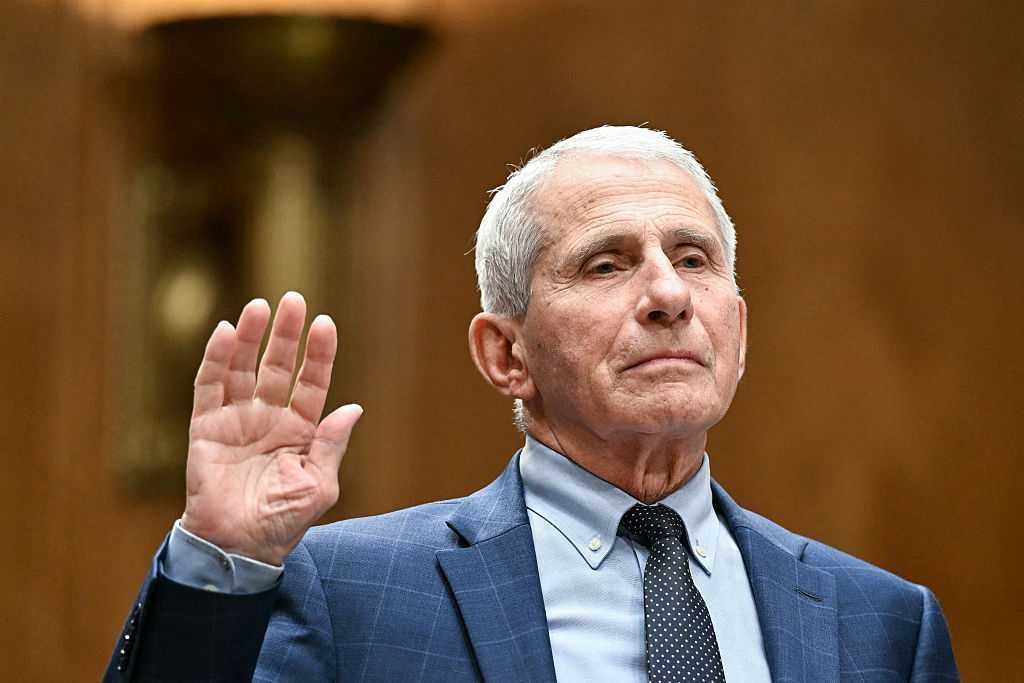
The release of Anthony Fauci’s diary reinforced the belief among many young Americans that officials presented more certainty in public than they privately possessed.
The result was not merely disagreement over masks, vaccines, distancing, or school closures. It was a broader lesson in institutional fallibility.
Young Americans learned that credentials do not eliminate self-interest, consensus does not guarantee truth, and a confident official narrative may later require substantial revision.
That lesson now shapes how they view both contemporary politics and American history.
Donald Trump’s return to the presidency after Russiagate, two impeachments, criminal prosecutions, and years of predictions that his movement would collapse reinforced the idea that establishment condemnation can increase rather than settle public doubt. Young men voted for him heavily in 2024 and extended the same instinct to figures such as JD Vance, Marco Rubio, and Robert F. Kennedy Jr.
The same appetite has helped independent journalists like Nick Shirley build audiences by pursuing stories local governments and established newsrooms neglected.
RELATED: Two Americas, under Fauci, with liberty and justice for none
This impulse can go wrong sometimes. Contrarianism is not the same as truth, and a historical figure does not become virtuous merely because liberal institutions despised him.
But the refusal to inherit conclusions without question is healthy.
Gen Z is treating history less like a museum exhibit and more like a cold case. It wants the documents, the motives, the context, and the arguments omitted from the standard account.
That approach will not vindicate every accused man. It may confirm some old judgments and overturn others.
The larger significance lies in who now claims the authority to decide.
Schools, television networks, universities, and political movements once expected younger Americans to accept their moral rankings of the past. A growing number of young people now insist on reopening the file themselves.
TMZ may fret that McCarthyism is making a comeback. It isn’t. Institutional deference, however, may be gone for good.
 www.theblaze.com
 www.theblaze.com