Stop feeding Big Tech and start feeding Americans again
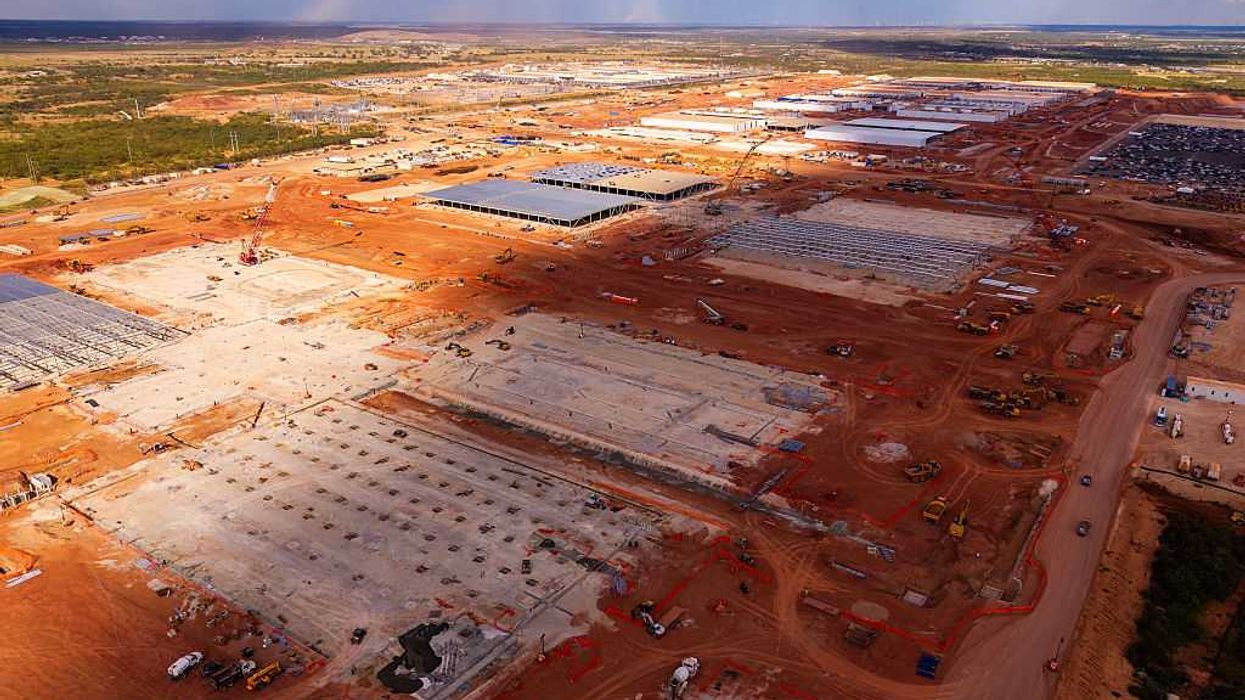


America needs more farmers, ranchers, and private landholders — not more data centers and chatbots. Yet the federal government is now prioritizing artificial intelligence over agriculture, offering vast tracts of public land to Big Tech while family farms and ranches vanish and grocery bills soar.

Conservatives have long warned that excessive federal land ownership, especially in the West, threatens liberty and prosperity. The Trump administration shares that concern but has taken a wrong turn by fast-tracking AI infrastructure on government property.

If the nation needs a new Manhattan Project, it should be for food security, not AI slop.

Instead of devolving control to the states or private citizens, it’s empowering an industry that already consumes massive resources and delivers little tangible value to ordinary Americans. And this is on top of Interior Secretary Doug Burgum’s execrable plan to build 15-minute cities and “affordable housing.”

In July, President Trump signed an executive order titled Accelerating Federal Permitting of Data Center Infrastructure as part of its AI Action Plan. The order streamlines permits, grants financial incentives, and opens federal properties — from Superfund sites to military bases — to AI-related development. The Department of Energy quickly identified four initial sites: Oak Ridge Reservation in Tennessee, Idaho National Laboratory, the Paducah Gaseous Diffusion Plant in Kentucky, and the Savannah River Site in South Carolina.

Last month, the list expanded to include five Air Force bases — Arnold (Tennessee), Davis-Monthan (Arizona), Edwards (California), Joint Base McGuire-Dix-Lakehurst (New Jersey), and Robins (Georgia) — totaling over 3,000 acres for lease to private developers at fair market value.

Locating AI facilities on military property is preferable to disrupting residential or agricultural communities, but the favoritism shown to Big Tech raises an obvious question: Is this the best use of public land? And will anchoring these bubble companies on federal property make them “too big to fail,” just like the banks and mortgage lenders before the 2008 crash?

President Trump has acknowledged the shortage of affordable meat as a national crisis. If any industry deserves federal support, it’s America’s independent farmers and ranchers. Yet while Washington clears land for billion-dollar data centers, small producers are disappearing. In the past five years, the U.S. has lost roughly 141,000 family farms and 150,000 cattle operations. The national cattle herd is at its lowest level since 1951. Since 1982, America has lost more than half a million farms — nearly a quarter of its total.

Multiple pressures — rising input costs, droughts, and inflation — have crippled family farms that can’t compete with corporate conglomerates. But federal land policy also plays a role. The government’s stranglehold on Western lands limits grazing rights, water access, and expansion opportunities. If Washington suddenly wants to sell or lease public land, why not prioritize ranchers who need it for feed and forage?

The Conservation Reserve Program compounds the problem. The 2018 Farm Bill extension locked up to 30 million acres of land — five million in Wyoming and Montana alone — under the guise of conservation. Wealthy absentee owners exploit the program by briefly “farming” land to qualify it as cropland, then retiring it into CRP to collect taxpayer payments. More than half of CRP acreage is owned by non-farmers, some earning over $200 per acre while the land sits idle.

RELATED: AI isn’t feeding you
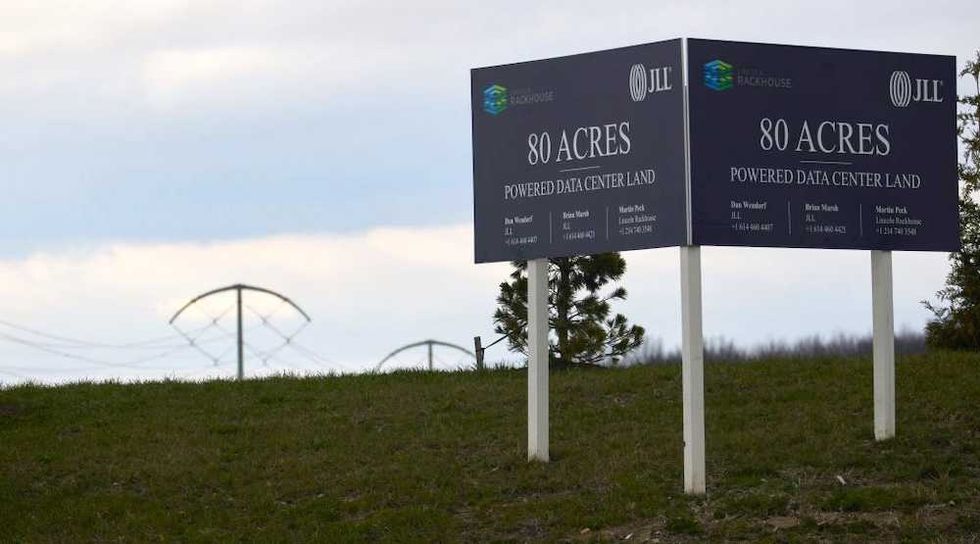
Photo by Brian Kaiser/Bloomberg via Getty Images

Those acres could support hundreds of cattle per section or produce millions of tons of hay. Instead, they create artificial shortages that drive up feed costs. During the post-COVID inflation spike, hay prices spiked 40%, hitting $250 per ton this year. Even now, inflated prices cost ranchers six figures a year in extra expenses in a business that operates on thin margins.

If the nation needs a new Manhattan Project, it should be for food security, not AI slop. Free up federal lands and idle CRP acreage for productive use. Help ranchers grow herds and lower food prices instead of subsidizing a speculative industry already bloated with venture capital and hype.

At present, every dollar of revenue at OpenAI costs roughly $7.77 to generate — a debt spiral that invites the next taxpayer bailout. By granting these firms privileged access to public land, the government risks creating another class of untouchable corporate wards, as it did with Fannie Mae and Freddie Mac two decades ago.

AI won’t feed Americans. It won’t fix supply chains. It won’t lower grocery bills. Until these companies can put real food on real tables, federal land should serve the purpose God intended — to sustain the people who live and work upon it.
Wild horses ripped from Nevada’s plains — and into US beef


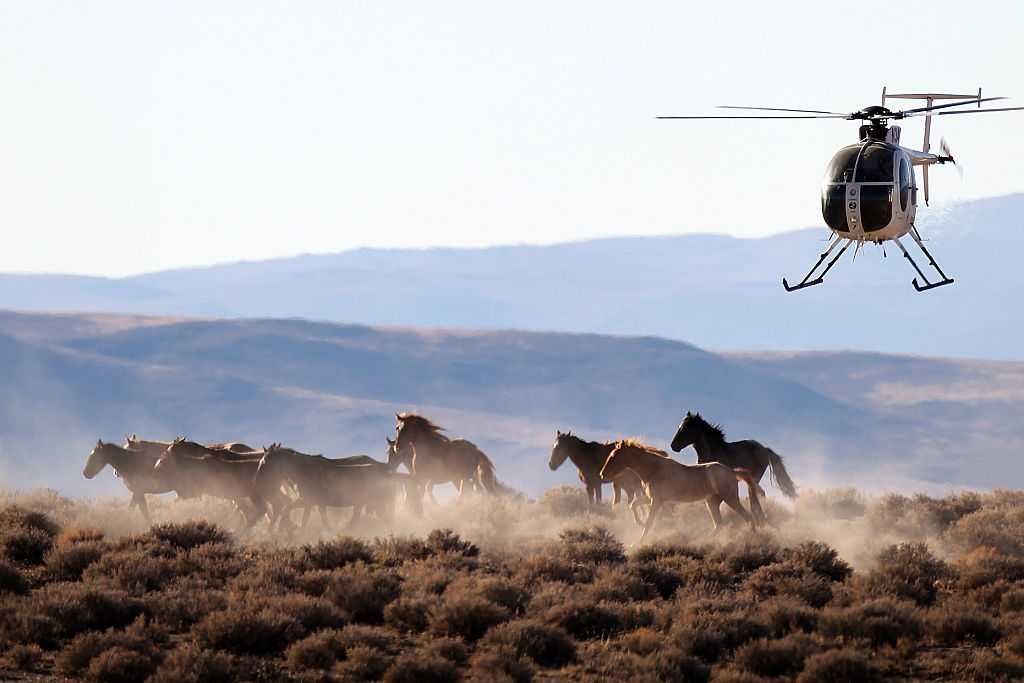
Imagine dawn breaking over Nevada’s badlands. A herd of wild horses charges across the sagebrush, manes whipping in the wind — living emblems of American freedom, the soul of the West. Then the silence breaks. Helicopter blades thunder overhead, driving the animals into traps. Foals stumble. Mares collapse. Families scatter in terror.

This isn’t a scene from frontier history. It’s happening now — a government-funded assault on one of the most enduring symbols of the American spirit. The Bureau of Land Management’s wild horse roundups have become routine cruelty disguised as “management.” And with the agency preparing its most aggressive operations yet, the time to act is now.

No more federal helicopters terrorizing symbols of liberty while criminals flood our markets with cheap ‘beef.’

Congress once recognized the value of these animals. The 1971 Wild Free-Roaming Horses and Burros Act promised protection and stewardship, not slaughter and imprisonment. But decades of mismanagement have turned that promise into a taxpayer-funded nightmare.

The Bureau’s Wild Horse and Burro Program devours $142 million a year to chase, capture, and confine herds that should roam free. The agency calls it conservation. It looks more like erasure — the slow extermination of the very wildness that once defined the West.

From Nevada into your ground beef

More than 64,000 wild horses and burros now languish in government holding pens — taxpayer-funded cages that solve nothing. The Bureau of Land Management calls it “management,” but it’s warehousing life. Meanwhile, the agency ignores real issues like overgrazing, water misallocation, and habitat loss.

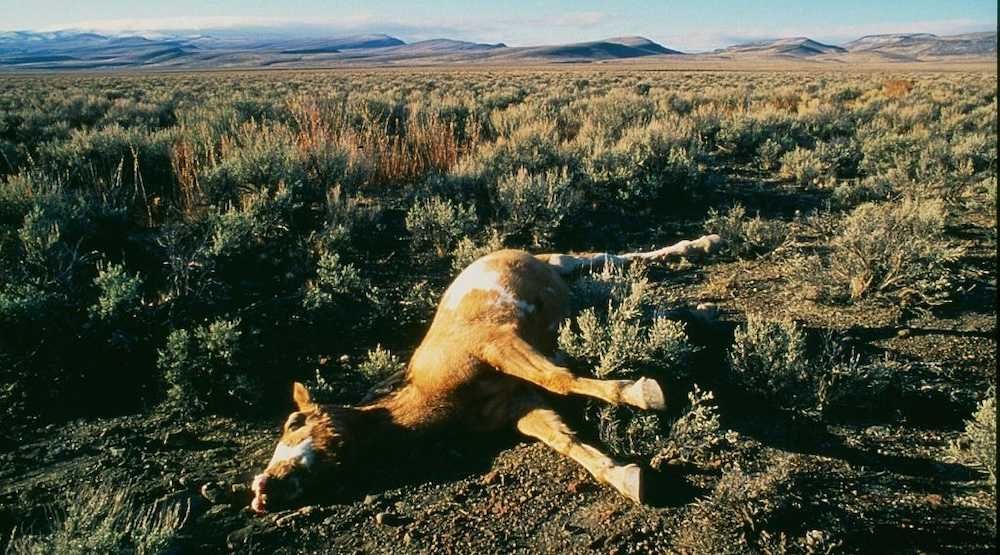
In Nevada, the carnage is especially stark. Last fiscal year, federal contractors ripped 2,196 horses from the Triple B Complex. Twenty-seven died on-site, collapsing under the stress of helicopter chases. The rest face grim odds in confinement, where mortality rates hover around 12%. Videos from inside these facilities show workers kicking panicked horses — proof that “humane management” has devolved into cruelty.

The story doesn’t end in captivity. Many of these captured horses end up in the slaughter pipeline. Sold at auction for as little as $5 to $25 a head, they cross borders into Mexico and Canada, where their meat re-enters U.S. markets illegally — blended into ground beef at a time of soaring prices.

This scandal isn’t just about animal welfare; it’s about corruption and public health. The same pipeline that traffics horse meat often intersects with drug and human smuggling networks, all subsidized by American taxpayers.

Actress and horse rescuer Dawn Olivieri, known for her roles in “Yellowstone” and “Homestead,” has called out the hypocrisy: With beef prices at record highs, why is the government allowing wild horse meat to undercut the market — and endanger consumers?

Call for accountability

The federal response has been a blueprint for more misery. The fiscal year 2026 presidential budget proposal guts the program by over 25%, slashing funding from $142 million to $100 million, all while dangling lethal options like euthanasia for healthy herds.

Nevada's herds are ground zero. The Bureau of Land Management’s latest bombshell is a plan to yank nearly 5,000 wild horses from the Callaghan Complex using those same inhumane helicopter drives, ignoring fresh data and science on fertility controls or habitat restoration.

This isn't land management. It's a war on wildlife, propping up special interests while ranchers and communities bear the brunt of unbalanced ecosystems and federal overreach.

Demand action now

Fixing this problem requires more than outrage — it demands bold, commonsense conservatism. Cut the waste, restore the range, and honor the law’s original intent.

Start by releasing healthy captives into the designated herd areas envisioned by Congress in 1971. Doing so would ease the $142 million burden now falling on taxpayers and return the animals to the land they’re meant to roam.

Replace helicopter roundups with proven, humane population control. PZP vaccines work. They prevent overbreeding without cruelty and cost a fraction of constant captures.

Then empower local communities. Offer tax credits to ranchers who adopt sustainable grazing practices. Build revenue through eco-tourism — guided mustang trails, for instance — and expand adoption programs that put horses to work without the whip.

Finally, shut down the slaughter pipeline for good. Enforce the Save America’s Forgotten Equines Act to ban horse meat exports nationwide and close the kill-buyer loopholes that make butchery profitable.

RELATED: ASPCA, Humane Society live large on your donations, warns watchdog

Photo Paul Harris/Getty Images

This battle echoes larger fights against government bloat. Just as we decry asset forfeiture abuses that seize property without due process, we must end the Bureau of Land Management’s unchecked grabs of Nevada's heritage. Fiscal hawks know the math: $142 million squandered yearly could fund tax relief for veterans or bolster border security.

No more federal helicopters terrorizing living symbols of liberty while criminals flood our markets with cheap “beef.”

The establishment thrives on apathy, but Nevadans, from ranchers to rescuers, aren't buying it. Nevada's wild horses aren't Washington's playthings — they're our legacy. Let's reclaim the range before the dust settles for good.

Anonymous, Gun-Themed Website Targeting Rep. Hageman Referred To The FEC

The website's cookies can see you, but you can’t communicate with it or know anything about the humans behind it.
No, Mike Lee isn’t paving over Yellowstone for condos


The media wants you to believe that Sen. Mike Lee (R-Utah) is trying to bulldoze Yellowstone and turn national parks into strip malls — that he’s calling for a reckless fire sale of America’s natural beauty to line developers’ pockets. That narrative is dishonest. It’s fearmongering, and, by the way, it’s wrong.

Here’s what’s really happening.

Private stewardship works. It’s local. It’s accountable. It’s incentivized.

The federal government currently owns 640 million acres of land — nearly 28% of all land in the United States. To put that into perspective, that’s more territory than France, Germany, Poland, and the United Kingdom combined.

Most of this land is west of the Mississippi River. That’s not a coincidence. In the American West, federal ownership isn’t just a bureaucratic technicality — it’s a stranglehold. States are suffocated. Locals are treated as tenants. Opportunities are choked off.

Meanwhile, people living east of the Mississippi — in places like Kentucky, Georgia, or Pennsylvania — might not even realize how little land their own states truly control. But the same policies that are plaguing the West could come for them next.

Lee isn’t proposing to auction off Yellowstone or pave over Yosemite. He’s talking about 3 million acres — that’s less than half of 1% of the federal estate. And this land isn’t your family’s favorite hiking trail. It’s remote, hard to access, and often mismanaged.

Failed management

Why was it mismanaged in the first place? Because the federal government is a terrible landlord.

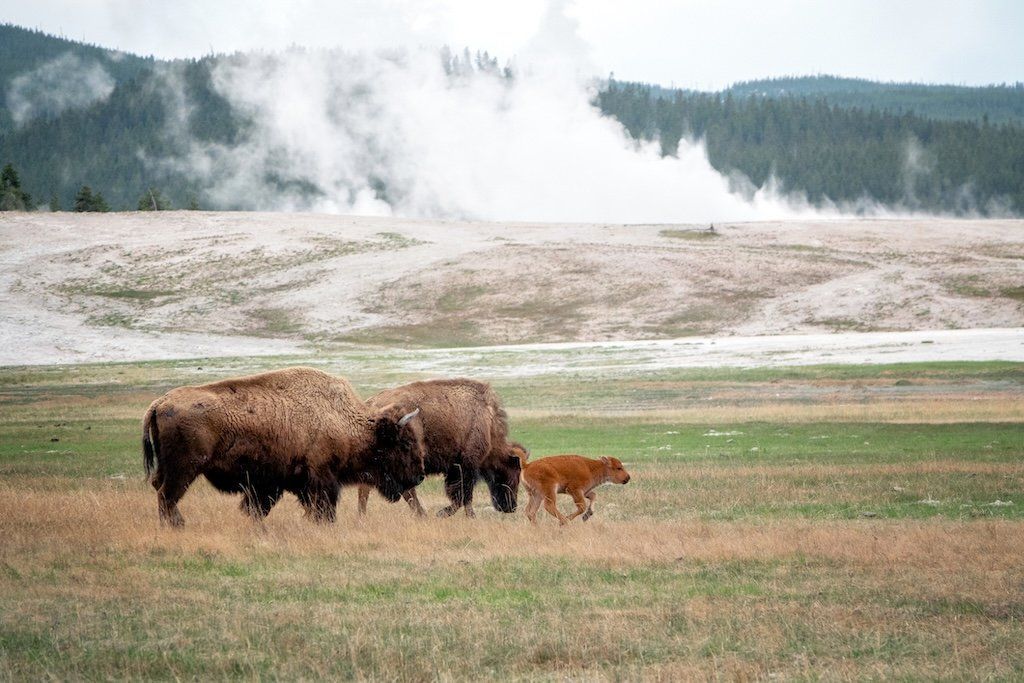
Consider Yellowstone again. It’s home to the last remaining herd of genetically pure American bison — animals that haven’t been crossbred with cattle. Ranchers, myself included, would love the chance to help restore these majestic creatures on private land. But the federal government won’t allow it.

So what do they do when the herd gets too big?

They kill them. Bulldoze them into mass graves. That’s not conservation. That’s bureaucratic malpractice.

And don’t even get me started on bald eagles — majestic symbols of American freedom and a federally protected endangered species, now regularly slaughtered by wind turbines. I have pictures of piles of dead bald eagles. Where’s the outrage?

Biden’s federal land-grab

Some argue that states can’t afford to manage this land themselves. But if the states can’t afford it, how can Washington? We’re $35 trillion in debt. Entitlements are strained, infrastructure is crumbling, and the Bureau of Land Management, Forest Service, and National Park Service are billions of dollars behind in basic maintenance. Roads, firebreaks, and trails are falling apart.

The Biden administration quietly embraced something called the “30 by 30” initiative, a plan to lock up 30% of all U.S. land and water under federal “conservation” by 2030. The real goal is 50% by 2050.

That entails half of the country being taken away from you, controlled not by the people who live there but by technocrats in D.C.

You think that won’t affect your ability to hunt, fish, graze cattle, or cut timber? Think again. It won’t be conservatives who stop you from building a cabin, raising cattle, or teaching your grandkids how to shoot a rifle. It’ll be the same radical environmentalists who treat land as sacred — unless it’s your truck, your deer stand, or your back yard.

Land as collateral

Moreover, the U.S. Treasury is considering putting federally owned land on the national balance sheet, listing your parks, forests, and hunting grounds as collateral.

What happens if America defaults on its debt?

RELATED: Why California’s ‘model state’ is a warning, not a goal

Anadolu / Contributor via Getty Images

Do you think our creditors won’t come calling? Imagine explaining to your kids that the lake you used to fish in is now under foreign ownership, that the forest you hunted in belongs to China.

This is not hypothetical. This is the logical conclusion of treating land like a piggy bank.

The American way

There’s a better way — and it’s the American way.

Let the people who live near the land steward it. Let ranchers, farmers, sportsmen, and local conservationists do what they’ve done for generations.

Did you know that 75% of America’s wetlands are on private land? Or that the most successful wildlife recoveries — whitetail deer, ducks, wild turkeys — didn’t come from Washington but from partnerships between private landowners and groups like Ducks Unlimited?

Private stewardship works. It’s local. It’s accountable. It’s incentivized. When you break it, you fix it. When you profit from the land, you protect it.

This is not about selling out. It’s about buying in — to freedom, to responsibility, to the principle of constitutional self-governance.

So when you hear the pundits cry foul over 3 million acres of federal land, remember: We don’t need Washington to protect our land. We need Washington to get out of the way.

Because this isn’t just about land. It’s about liberty. And once liberty is lost, it doesn’t come back easily.

Want more from Glenn Beck? Get Glenn's FREE email newsletter with his latest insights, top stories, show prep, and more delivered to your inbox.

Trump Authorizes Military Occupation Of Public Land Along Southern Border To Repel Migrant ‘Invasions’

President Donald Trump authorized a 'military mission for sealing the southern border of the United States and repelling invasions.'

The Supreme Court Shouldn’t Let The Federal Government Control 70 Percent Of A State’s Land

The case in Utah raises issues not only about land use concerns but also core principles of federalism relevant to the entire country.

Biden’s Land Grab Crusade Thwarts Bipartisan Efforts To Develop Housing On Federal Land

Lawmakers have set their sights on a long-time solution to a nationwide housing shortage: federal land.