How the WNBA’s biggest star became its biggest embarrassment


There are moments when an entire ideology reveals itself to the American public — not in a faculty seminar, not in a university land acknowledgment, not in a mandatory “inclusive excellence” module administered by a deputy assistant associate vice provost of DEI, but on a basketball court.

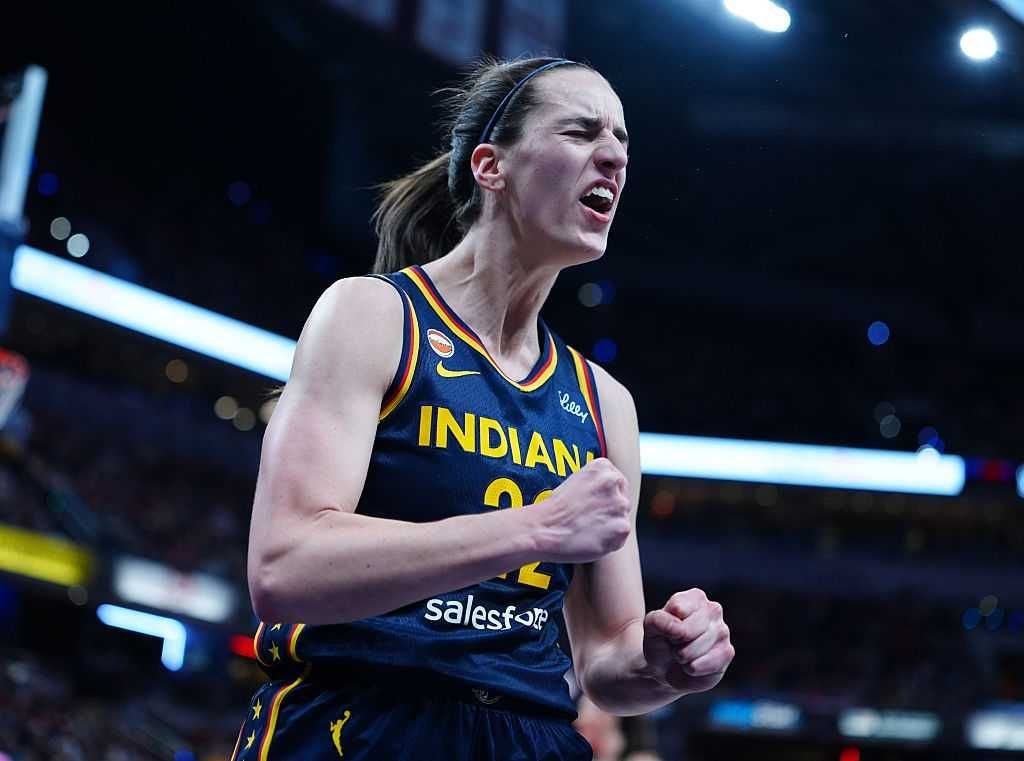
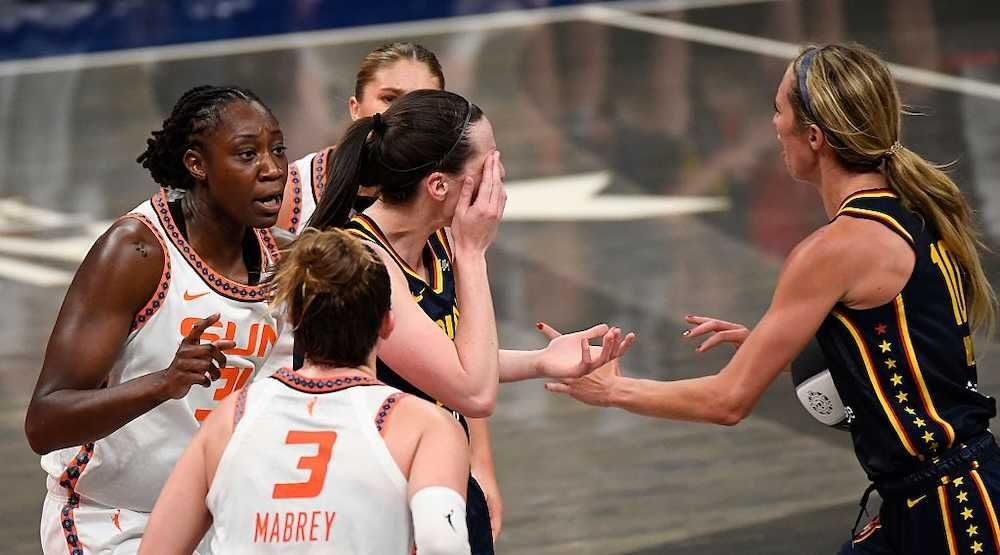
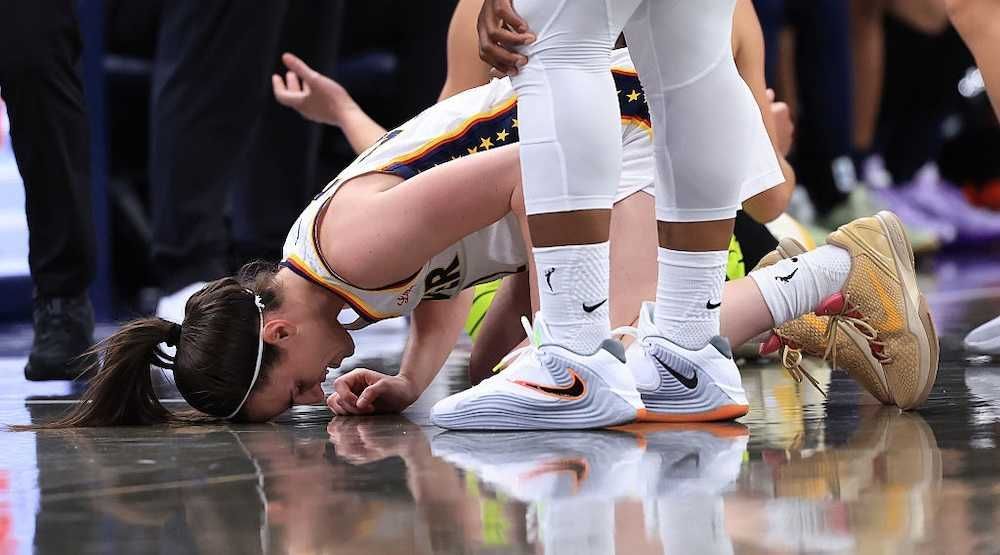
Caitlin Clark being struck in the throat by Alyssa Thomas was one of those moments.

DEI, whether it appears as decolonizing, social justice, critical race theory, BLM activism, or ‘inclusive excellence,’ is not a path to justice. It is a catechism of resentment.

The WNBA later decided the incident was a “non-basketball act,” a useful clarification for those of us who had not noticed that punching a player in the throat is not among the standard fundamentals of the game. Dribbling, passing, shooting, rebounding — yes. Throat strikes — apparently, no.

The referees, however, seemed to be conducting an advanced seminar in nonintervention. They saw nothing. Or more precisely, they saw what everyone else saw and did not think it required interruption.

The WNBA reviewed the play and assessed Thomas a Flagrant Foul 2 with a one-game suspension. Fever guard Sophie Cunningham has publicly said Clark is being targeted and that the league and refs are not protecting her. Meanwhile, Clark’s presence has coincided with major WNBA attendance and ratings growth.

This is where the Caitlin Clark story becomes larger than basketball.

For years, America’s universities have devoted themselves to replacing character formation with grievance formation. Students are taught, with all the solemnity of medieval theologians but none of the metaphysical seriousness, that the world is divided into oppressor and oppressed, privileged and marginalized, white and non-white.

Every inequality of outcome receives the same explanation: whiteness. Every frustration becomes resentment. Every failure gets assigned a villain.

This curriculum does not produce justice. It produces vice.

It teaches envy and calls it “equity.” It teaches resentment and calls it “consciousness.” It teaches contempt for one’s neighbor and calls it “liberation.” It tells young people that the chief moral fact about another person is skin color, then professes shock when people begin treating one another accordingly.

Enter Caitlin Clark.

The WNBA has long existed less as a product of overwhelming public demand than as an institutional cause. It was the league America was instructed to support. Like many progressive projects, it was sustained not by market interest but by moral instruction: Watch this. Celebrate this. Subsidize this. Affirm this.

Then, something embarrassing happened.

RELATED: The latest violent attack on Caitlin Clark exposes the WNBA’s real problem
Erica Denhoff/Icon Sportswire/Getty Images

A player arrived whom the public actually wanted to see.

Clark did not require an ideological sales pitch. She did not need a campus office to explain her importance. She did not need a seminar on representation and patriarchy. She could shoot from the logo. She could pass as if she had seen the play unfold three seconds before everyone else. She brought eyes to the league, filled arenas, moved merchandise, and made casual fans care.

That is precisely the problem.

The DEI imagination can handle excellence only when it can be absorbed into its preferred categories. If Clark’s success could be explained as “white privilege,” the story would be safe. But basketball is a cruelly empirical game. The ball either goes in or it does not. The pass either arrives or it does not. The defense either stops her or it does not. No diversity consultant can revise the box score.

Clark’s excellence is infuriating because it is visible. It is not a theory, a grant proposal, or a paragraph in a strategic plan. It is the fruit of natural ability disciplined by relentless work.

Even family support, private schooling, and access to good coaching do not manufacture Caitlin Clark. They may provide opportunity. They do not produce logo threes, court vision, and competitive fire. Many athletes have access to lessons. Few can do what Clark does.

That fact is intolerable to a culture that has taught itself to scoff at diligence, fortitude, self-control, patience, hope, faith, and love. The old virtues are too demanding because they require personal responsibility. DEI prefers a more comforting doctrine: Your failures are someone else’s fault, your anger is moral insight, and your neighbor’s success is evidence of systemic injustice.

We have seen this moral theater before.

After George Floyd died under the knee of Derek Chauvin, the image played endlessly across America. Universities made it the centerpiece of institutional repentance. Faculty meetings became revival services for Black Lives Matter. Professors who had never shown much interest in moral absolutes suddenly discovered original sin, provided it could be located in “whiteness” rather than in the human heart.

The radicals had their icon. They had their liturgy. They had their marches. They had their administrative decrees.

But what happens when the image does not serve the approved narrative? What happens when the visible act is not a white officer restraining a black man but a black WNBA player striking a white superstar in the throat?

Suddenly, the moral machinery becomes less efficient. The referees miss it. The league responds later. The commentators explain. The defenders contextualize. The public is asked not to notice too much.

But we do notice.

We notice that Clark is not merely guarded. She is battered. We notice that punishment often comes after public outrage rather than during the game. We notice that the league seems oddly embarrassed by the very player who has made it more relevant than ever. We notice that when excellence appears in the wrong demographic package, the apostles of equity become strangely tolerant of abuse.
RELATED: Caitlin Clark gets fist to the throat as WNBA primed to explode: ‘She’s a straight white basketball player’

Justin Casterline/Getty Images

This does not mean every foul against Clark is a racial incident. Basketball is physical. Stars get hit. Great players attract aggressive defense.

But the pattern surrounding Clark has become hard to ignore, and so has the ideological atmosphere in which it is interpreted. When a society is trained to see whiteness as a moral defect, it should not be surprised when white excellence is treated as something to be punished rather than admired.

DEI has trained institutions to cultivate suspicion, bitterness, and selective compassion based on skin color and sexuality. It has trained people to blame their problems on abstractions rather than repent of their vices. It has trained the public to redistribute honor and resentment according to race.

Its hope is not in virtue but in power, not in truth but in control, not in love of neighbor but in the forced rearrangement of social goods around resentment.

Caitlin Clark has become the face of DEI abuse because she exposes the lie. She shows that excellence is not reducible to privilege. She shows that work counts. She shows that talent must be disciplined. She shows that the public will still respond to greatness when it sees it.

And for that, she must be punished.

The throat strike was not merely a foul. It was a parable. It showed what resentment does when it cannot refute excellence. It tries to silence it, intimidate it, and make it pay for existing.

We should learn the lesson. DEI, whether it appears as decolonizing, social justice, critical race theory, BLM activism, or “inclusive excellence,” is not a path to justice. It is a catechism of resentment.

It does not teach us to love our neighbor. It teaches us to hate by skin color.

The answer is public rejection of DEI in all its forms.
Mayor stands firm despite backlash after he mocked androgynous lesbian 'creature'


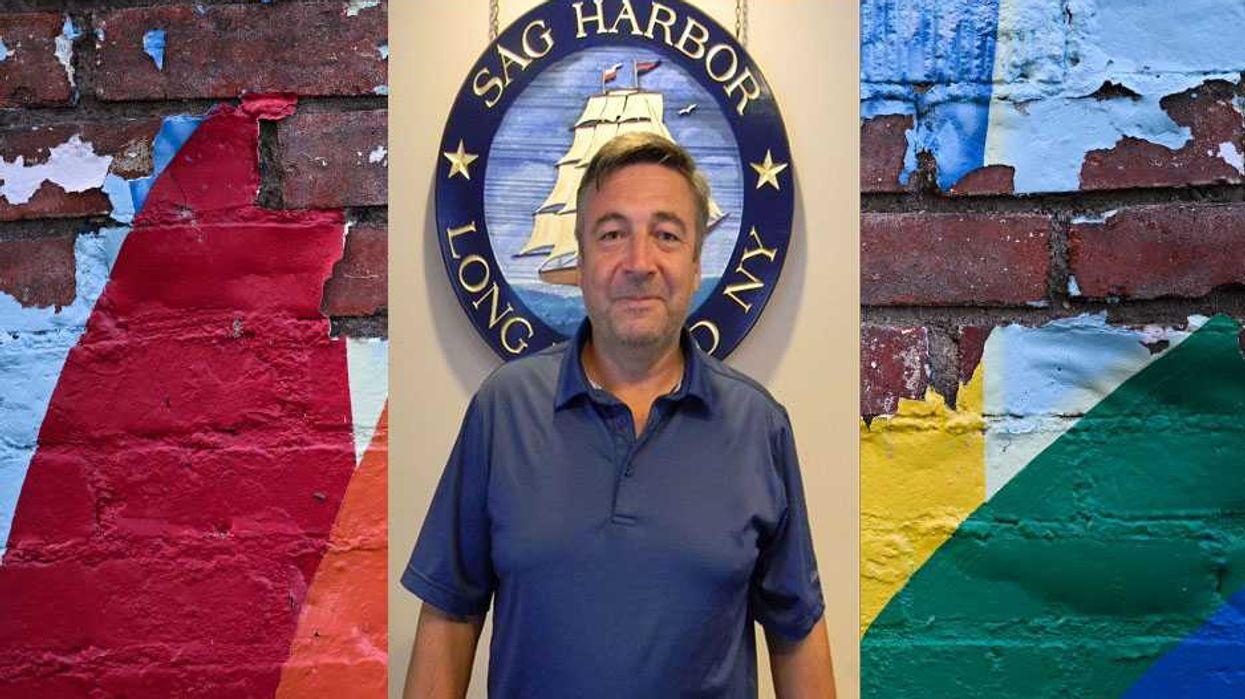
A Long Island mayor is standing firm despite calls for his resignation after he ridiculed a local activist online.

The Sag Harbor Board of Trustees voted unanimously on Tuesday to formally request that Tom Gardella resign as mayor of his Long Island village. Gardella said he would participate in social media and anti-harassment training but that he wouldn't think of resigning.

'Church man. He's a Christian.'

"I will not resign from the office of mayor," said Gardella, reported the Sag Harbor Express. "That is not going to happen. You have me confused with somebody else. I’m not the guy that runs from a crisis. I’m the guy that runs into it."

While the board members provided other justifications for Gardella's ouster, their ire centers on a comment the mayor left on an Instagram post last month.

Animal rights activist Rebecca Chavez shared a video on March 6 in which she grooves to a song with a dog in her lap while her masculine lesbian lover dances in the background.

Gardella — a Sag Harbor resident for over 30 years who runs a plumbing company, served as chief of the local fire department, and served in military intelligence during the Cold War — reportedly commented, "What's that thing in the background? A guy? A girl? Some creature?"

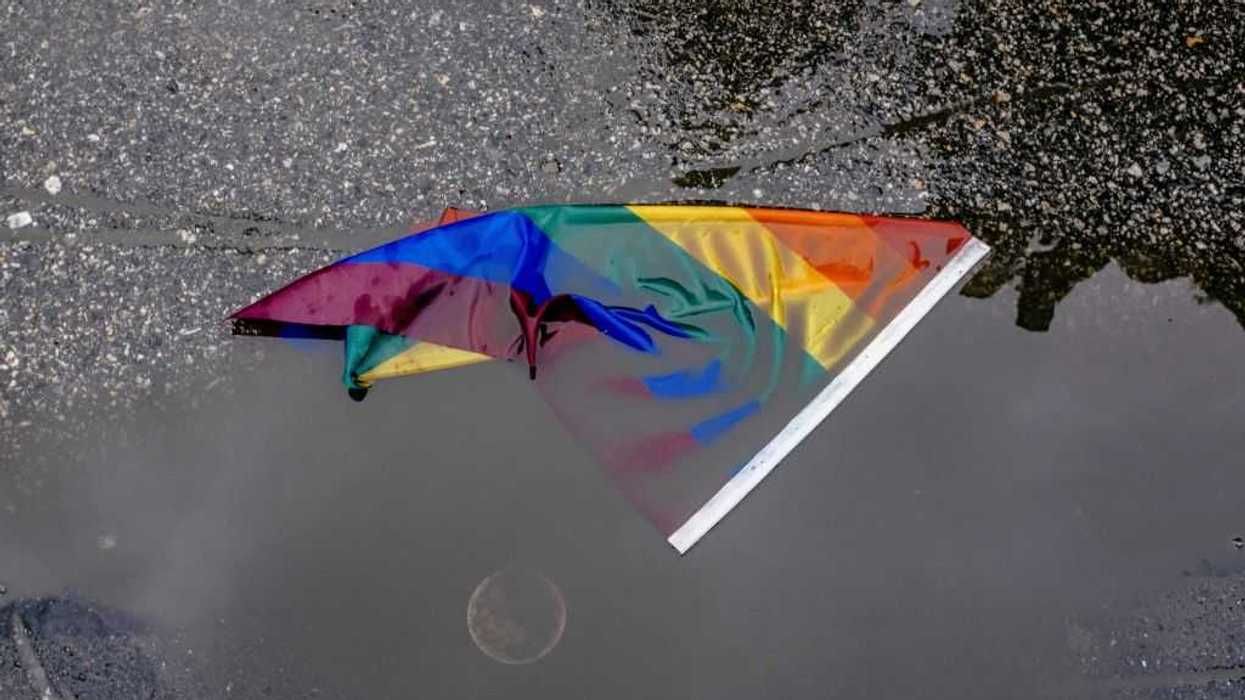
RELATED: Woke Boise mayor tears up after city is forced to take down Pride flag on 'Transgender Day of Visibility'

ENGIN GUNEYSU/AFP/Getty Images

Chavez wasted no time tracking down Gardella and making a stink, noting in a video, "Church man. He's a Christian. And a mayor?!"

Chavez's characterization of Gardella as a "church man" may be the result of her superficial reading of an event posting advertising a talk the mayor gave at "The Church," a creative center on Long Island.

The Texas-based lesbian, committed to giving a "Master Class in pettiness and accountability," stated, "I would expect an elected official and Christian man like yourself to behave better."

Chavez then directed her followers to "send him a few emails to remind him that his behavior is unbecoming of a public servant."

Deputy Mayor Edward Haye noted during a village board meeting last month, "We were made aware on March 9, yesterday, of a social media comment attributed to Mayor Gardella that disparaged members of the LGBT community."

"Sag Harbor has long prided itself being a welcoming and a tolerant village, and those values deeply matter to us both as members of the village board and as residents," continued Haye. "While the comment appears to have been made on a personal social media account, it has understandably caused concern and hurt within our community."

Gardella apologized, but that evidently wasn't enough for the activist.

"They always make an apology after the fact. So for me, his apology is not genuine," Chavez told News 12 Westchester, revealing an apparent confusion about how apologies work.

The mayor's thin-skinned peers had the village launch an investigation into his comment.

The investigation culminated in a report that accused the mayor of violating the village government's social media policy and anti-harassment policy and claimed that his 12-word comment was "disruptive to operations, negatively impacted members of the community, and created the false impression that village leadership does not support or tolerate diversity," reported the Express.

On the basis of the report, the board voted to censure the mayor.

"I’m not going to resign as mayor of this village," Gardella, who was first elected in 2023, reiterated on Tuesday. "I would also say that I never sought to be mayor of this village. The residents of this village came to me and asked me to lead them. And I hope I can lead us out of this mess and at some point be able to work together with the board."

Like Blaze News? Bypass the censors, sign up for our newsletters, and get stories like this direct to your inbox. Sign up here!

'Elio' was lame. Making him gay wouldn’t change that.


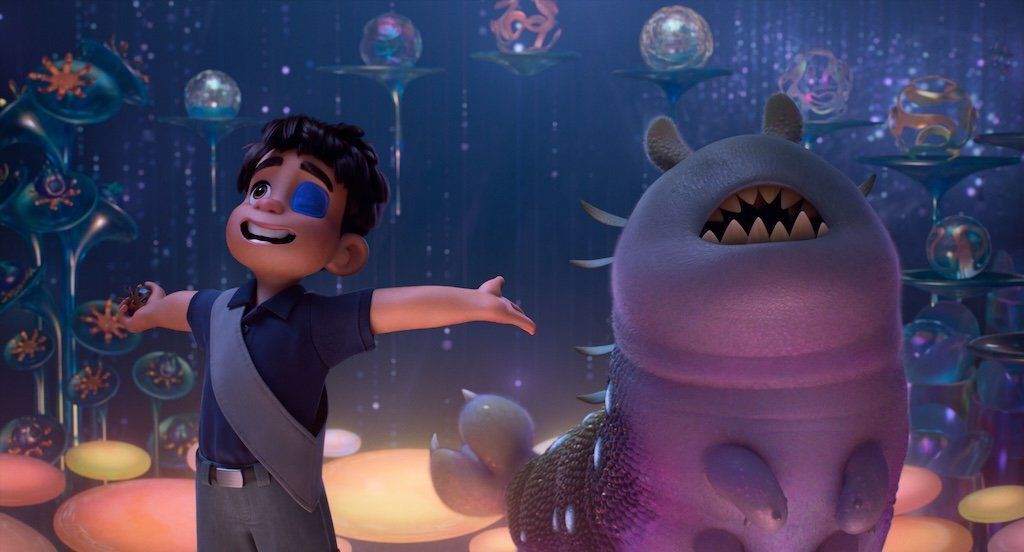
Would Disney’s latest flop, “Elio,” have been saved if the company made the film “lame and gay” instead of just lame? Some of its creators seem to think so.

According to the Hollywood Reporter, “Elio” was originally conceived as a story about a lonely, bullied 11-year-old gay boy who gets whisked away by spacefaring aliens to represent humanity in the “Communiverse” — an intergalactic version of the United Nations. In the original version, Elio’s ability to empathize with outsiders, shaped by his own struggles as a bullied homosexual, helps him save the universe from hostile invaders.

If 'Elio' teaches Disney anything, it’s this: Wokeness isn’t a narrative. It’s a trend. And it’s over.

But that version never saw the light of day.

After disappointing test screenings and intervention from Pixar’s chief creative officer Pete Docter — the force behind hits like “Toy Story,” “Up,” and “Inside Out” — the studio sidelined the film’s openly gay director, Adrian Molina, and toned down the “queer-coding.” According to one Pixar artist, “Studio leaders were constantly sanding down these moments in the film that alluded to Elio’s sexuality.”

Gone was the scene where Elio designs clothes from pink trash and holds “trash-ion shows” for crabs. The male crush poster? Removed. The environmentalist bent? Dialed back. What’s left is a generic misfit who rises to the occasion — not by discovering his sexual identity but by finding courage and strength.

Predictably, the movie tanked. Despite a rumored $250 million budget, “Elio” grossed just $21 million in its opening weekend. Critics panned the film as derivative and dull. Pixar, once hailed for original storytelling and cross-generational appeal, recycled old tropes and slapped them onto a limp narrative.

As Federalist writer Gage Klipper put it: “Elio, crushed under the weight of its derivative storytelling and animation, might as well have been an umpteenth sequel. The viewer walks in and, within moments, already knows he’s seen this film a thousand times.”

So would making Elio “lame and gay” instead of just lame have saved the movie?

Of course not. A more flamboyantly queer lead might have offered marginal character development — but at the cost of turning yet another kids’ movie into a vehicle for ideological affirmation. And audiences have already seen that show. Multiple times.

Just look at “Lightyear” (2022) and “Onward” (2020). Both featured brief LGBTQ references — a kiss in one, a lesbian reference in the other. These scenes had zero impact on plot or character. They were token gestures meant to signal virtue. But even that was enough to stigmatize both films as woke propaganda, unfit for children and alienating to mainstream audiences.

Executives at Disney and Pixar likely concluded that “Lightyear” and “Onward” flopped because of the gay content. That’s why they stripped it from “Elio.” But “Elio” failed for the same reason those other films did: weak characters and lousy storytelling.

RELATED: The culture war isn’t a distraction — it’s the main front

Photo by DAVID MCNEW/AFP via Getty Images

Even the queerness in those earlier films seemed less like sincere inclusion and more like a cynical marketing ploy — a way to gin up press during peak woke culture. While it may not have delivered blockbuster numbers, the controversy generated buzz.

That trick doesn’t work anymore.

In 2025, the political moment has passed. The original version of “Elio” would have been as embarrassing as Marvel’s “Ironheart” — the new Disney+ series about a young black woman who builds her own Iron Man suit of armor so she can steal money and become famous. Maybe that premise sounded edgy in 2022, but now it just looks desperate and dumb.

If “Elio” teaches Disney anything, it’s this: Wokeness isn’t a narrative. It’s a trend. And it’s over.

Whatever moral high ground advocates claimed — about representation, equity, and tolerance — was always more about pandering to activists than elevating art. Audiences saw through it then, and they definitely see through it now.

Pixar’s former magic lay in telling universal stories. That’s the vision Pete Docter championed. But his colleagues and subordinates ignored it, instead giving audiences mediocrity wrapped in buzzwords. Unsurprisingly, audiences walked away.

Maybe now, finally, the message will stick.

Celebrities’ ‘Misery Chic’ Aesthetic Flows From Their Spiritually Poverty

The cultural and spiritual wreckage around us makes clear that finding our true selves will not make us happy.
UN Women claims 'trans lesbians are lesbians too'


The UN Women account on X declared that "trans lesbians are lesbians too," apparently conveying the idea that men who identify as women can identify as lesbians.

"Remember, trans lesbians are lesbians too. Let's uplift and honour EVERY expression of love and identity! Happy International #LesbianDay!" the UN Women X account tweeted.

GOP Rep. Chip Roy of Texas responded to the post by writing, "Reminder: a 'continuing resolution' fully funds this & the rest of the anti-American, anti-family, anti-Israel, open borders, 'world' government nonsense."

— (@)

Some people called for cutting funding to the U.N.

"Defund the UN and end U.S. membership," one person wrote.

"This is not a parody. Any money we donate to the @UN should be stopped immediately," another individual opined.

"The United Nations has been captured to such a level and disgraced itself now to such a level that no one should care what the United Nations has to say again. It is time to untangle our nations from this rotten organization... and all the other ones just like it," someone else wrote.

In another post, the UN Women account declared, "Lesbians have always existed – in all countries and cultures – and today we're celebrating them in all their amazing diversity. Let's remind ourselves there's no one way to be a lesbian or express womanhood!"

— (@)

According to the UN Women X account, "UN Women is the United Nations entity for gender equality and women's empowerment."

Both of the lesbian-related UN Women posts tagged the UN Free & Equal X account. "UN Free & Equal is a @UN @UNHumanRights initiative for lesbian, gay, bi, trans and intersex equality #LGBTIQ+" the account states.

Like Blaze News? Bypass the censors, sign up for our newsletters, and get stories like this direct to your inbox. Sign up here!

California Bill Would Make Insurance Fund Unlimited Attempts To Create Motherless And Fatherless Children

In the marriage and family world, 'equality' based on adult emotions and preferences will always result in true inequality for children.

The LGBT Alphabet Lobby Has Come For Its Own Women

Imagine saying men can't be lesbians -- and facing prison time for it. One lesbian artist in Norway is in just such a predicament.

Including Queer Sexuality Actually Means Excluding Women

In this terribly problematic turn for a movement that is supposed to be all about advancing human rights, lesbians are the canaries in the coal mine.

Why Democrats’ Equality Act Is Dangerous To Women, Children, And Gay People Like Me

It’s not fundamentalist Christians trying to erase lesbians and chop off children’s genitals, it’s self-described progressive Democrats. Don’t let them.

Why Other Queers Are Stuffing Lesbians Back In The Closet

The stubborn fact that male and female each have an objective nature will ultimately be the end of contemporary gender theory, and it looks like the lesbians are the canary in that coal mine.