You Aren’t Angry Enough About What Covid Tyrants Took From You
 Never forget what they took from us in 2020 and beyond. Because if you do, they will lock you down again and again and again and again.
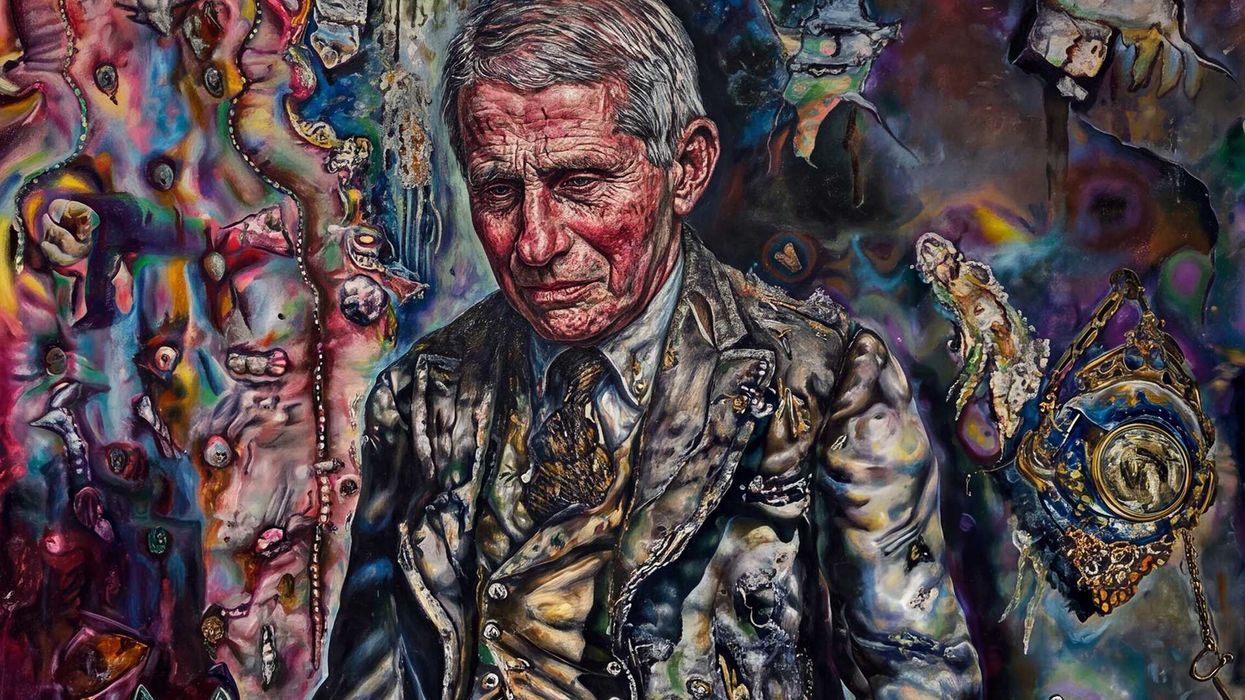
In “The Picture of Dorian Gray,” Oscar Wilde imagines a portrait that records the corruption its subject refuses to see in himself. Dorian hides the picture because its truth is unbearable. The concealment is physical, but the deeper act is spiritual: Self-deception protects him from self-knowledge.
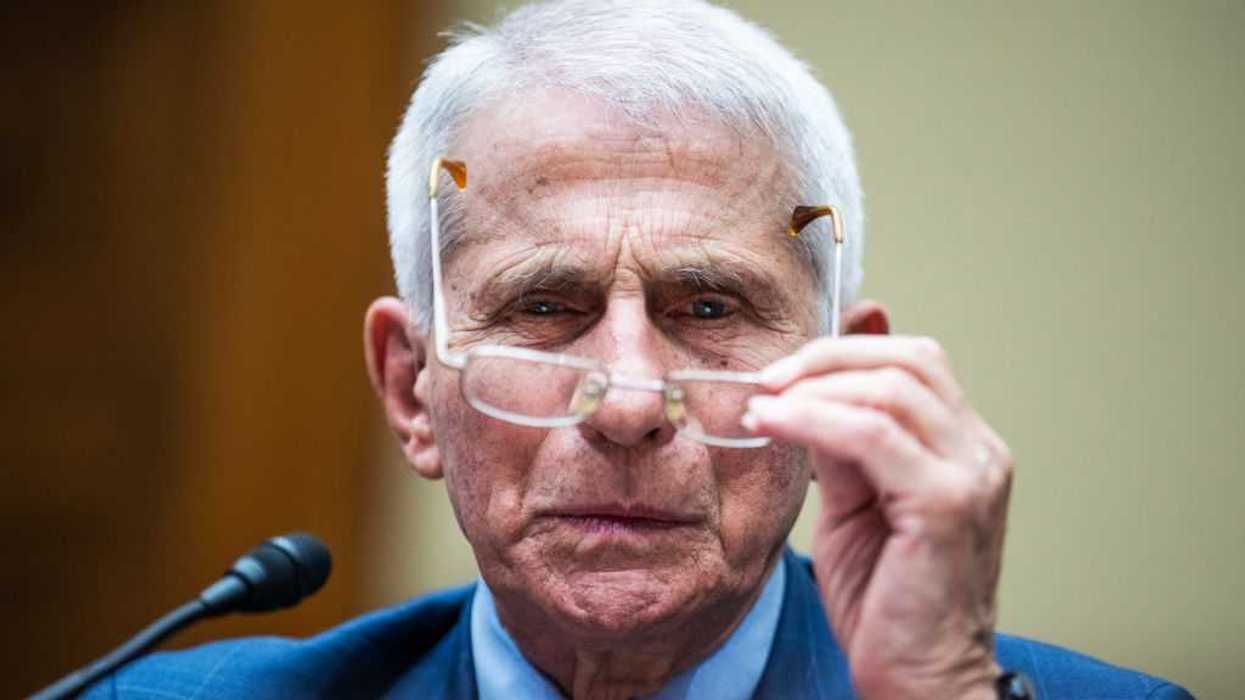
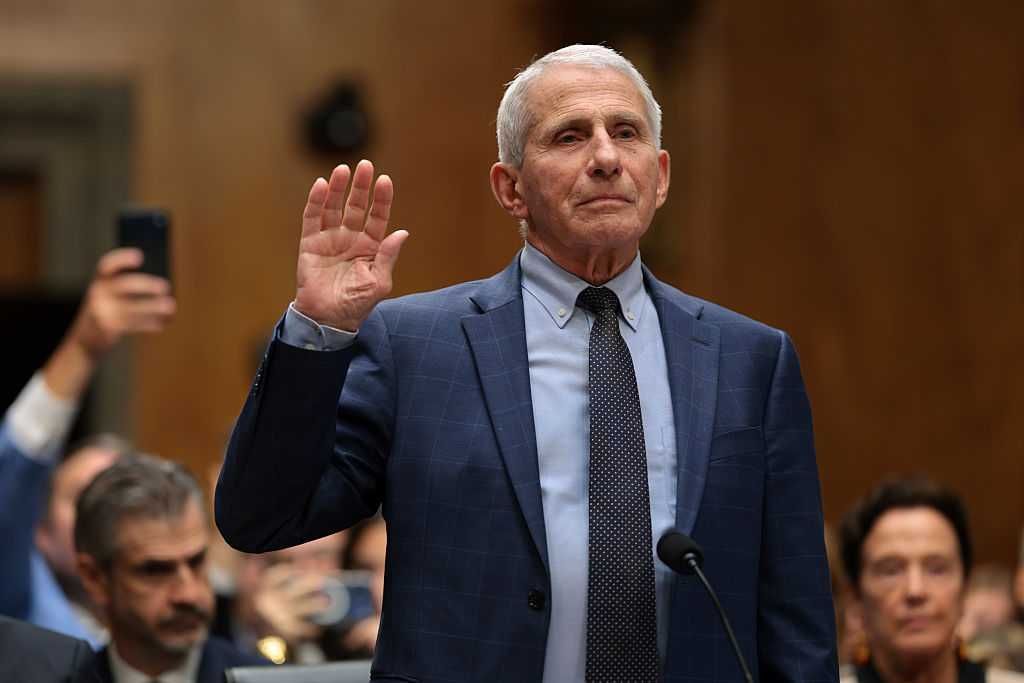
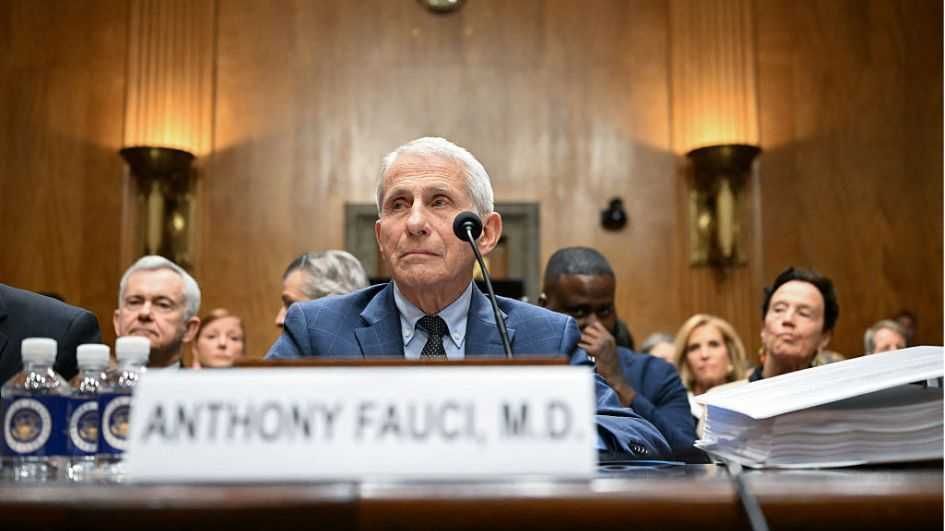
Anthony Fauci’s Wednesday appearance before the Senate Committee on Homeland Security and Governmental Affairs supplied a modern version of Wilde’s image. Fauci invoked the Fifth Amendment 111 times.
The legal questions are serious. The philosophical question is more intimate: How does Fauci live with himself?
The constitutional privilege against self-incrimination is fundamental. The government bears the burden of proving guilt. A witness need not assist the prosecution by supplying evidence against himself, and a jury ordinarily may not treat a criminal defendant’s silence as proof of guilt.
But Fauci’s silence invites a question larger than criminal liability. What does a public official do when the legal right not to answer collides with the moral obligation to confront his own record?
Sens. Rand Paul (R-Ky.) and Ted Cruz (R-Texas) have raised a narrower legal question. If President Biden’s pardon protects Fauci from prosecution for the conduct under examination, the basis for invoking the Fifth Amendment may be considerably weaker. Congress can also compel testimony after an appropriate grant of immunity. Those questions belong to lawyers and courts.
Cruz, meanwhile, accused Fauci of showing “contempt for Congress and contempt for the American people.” He argued that Fauci’s diaries reveal private doubts about the “wet market” explanation for COVID-19 and private satisfaction over persuading Democrat officials to keep schools closed while publicly distancing himself from those decisions. The consequences for millions of children, Cruz said, will last a lifetime.
Other controversies surrounding Fauci’s tenure at the National Institute of Allergy and Infectious Diseases deepen the moral inquiry. NIAID funded research using human fetal tissue derived from elective abortions, including projects intended to create “humanized” mice for disease research. The Trump administration later restricted NIH scientists from acquiring new fetal tissue. One widely discussed study involved grafting fetal scalp tissue onto mice. The study appeared in Scientific Reports in 2020.
The legal questions are serious. The philosophical question is more intimate: How does Fauci live with himself?
The answer may be that he does so by dividing himself. There is the public Fauci, who speaks with certainty and moral authority, and the private Fauci, whose diaries preserve doubts, calculations, resentments, and self-justifications.
Self-deception tells a person that he has done nothing wrong. Self-justification supplies the explanation for everyone else. The first lie protects the conscience. The second protects the reputation.
“Taking the Fifth” can therefore become more than a legal act. The constitutional privilege is legitimate. The existential temptation it symbolizes is not: the desire to avoid the truth because the truth would collapse the identity one has built.
RELATED: ‘It’s past time’: Florida launches investigation into Fauci
A divided person does not merely conceal himself from others. Eventually, he loses the ability to recognize himself. Public statements serve one purpose, private reflections another, and the distance between them becomes a permanent feature of the soul.
Why keep a diary at all? Even teenagers know that diary locks are flimsy and private pages may someday be read. The impulse to record what one cannot say publicly suggests that self-deception never quite succeeds. A person may hide the portrait, but he still returns to the attic.
Fauci’s diary resembles a secular confessional. He did not confess to God or seek absolution from anyone beyond himself. He recorded his private account before the highest authority his worldview appears to recognize: Anthony Fauci.
That arrangement offers no forgiveness because it requires no repentance. The same man supplies the accusation, the defense, the verdict, and the pardon.
Wilde understood that self-deception cannot preserve the soul forever. The portrait keeps changing even when no one looks at it. The mind can suppress guilt, rename pride as duty, and call self-protection public service. But every evasion leaves another mark.
At some point, only two paths remain. One leads through truth, repentance, and the surrender of the false self. The other leads deeper into silence, because every answer threatens the structure of excuses holding the person together.
That is the existential Fifth: not the lawful refusal to incriminate oneself before the state, but the lifelong refusal to testify honestly before one’s own conscience.
If you didn't like Anthony Fauci before, his newly released diaries most likely won't change your opinion. They paint a picture of a spotlight-hungry functionary who projected certainty where little existed and punished dissent when it proved inconvenient.
Meanwhile, the "In Fauci We Trust" set are crowing about a new study that claims conservatives are dying at significantly higher rates than liberals largely because they don't trust doctors.
It’s a predictable, entirely rational counter-reaction to an establishment that completely torched its own credibility.
The narrative is less public health finding than moral vindication: Voting red is apparently a terminal diagnosis, and skepticism toward the medical establishment is a self-inflicted death sentence. It’s a beautifully smug theory, provided you don't look too closely at how the physical universe actually works.
Let’s start with the most glaringly obvious flaw in this supposedly groundbreaking research. The authors act utterly baffled by a widening mortality gap between 2020 and 2022, noting with analytical horror that more "very conservative" respondents suffered fatal health failures than "very liberal" ones.
They claim they controlled for age, but anyone with a basic grasp of American demographics knows who populates these ideological buckets. The conservative base overwhelmingly skews older, grayer, and more rural. The "very liberal" cohort is heavily populated by 20-something urbanites whose greatest health risk is a poorly navigated electric scooter.
Shocking news, everyone: An aging population of grandparents in America's heartland are dying of heart disease and stroke faster than a bunch of college-educated baristas in Brooklyn. You don’t need a multimillion-dollar grant to solve that mystery.
The study's real target isn't biology but the conservative psyche. The researchers discuss a trust deficit, lamenting that the right has developed a pathological aversion to medical authorities. They treat this skepticism like a bizarre, localized mental glitch, completely ignoring the fact that the medical establishment spent years earning every single ounce of that hostility.
Conservative mistrust of institutional science didn't emerge from a vacuum, nor was it cooked up by unhinged lunatics on social media. It was forged in the absolute dumpster fire of the COVID-19 response.
For two years, the public was subjected to an unprecedented psychological experiment run by federal health bureaucrats who changed their official directives as often as they changed their socks. Remember when masks were useless, then mandatory, then so effective you needed to wear two at once, all based on "The Science" that conveniently shifted to match political pressures?
RELATED: Puppy love: Diary exposes Fauci's crush on Julia Roberts
Then came the vaccines, rolled out at warp speed with the solemn institutional promise that they would stop transmission dead in its tracks.
When that turned out to be completely false, the goalposts weren’t just moved — they were loaded onto a flatbed truck and driven across state lines. Instead of acknowledging the technology's numerous limitations, the establishment doubled down, turning a pharmaceutical product into a loyalty oath.
If you want to know why a farmer in Ohio is hesitant to take blood pressure medication today, look no farther than the sheer cruelty of the mass lockdowns.
People watched their life savings evaporate as local authorities forced small, independent businesses to close while letting multibillion-dollar corporate retail giants stay open with zero restrictions.
Tens of thousands of workers were handed an ultimatum: Take an experimental shot or lose your livelihood. Those who refused were promptly unpersoned. They were banished from polite society, labeled domestic threats, and, in some of the most dystopian twists, de-banked and financially marooned by institutions that decided political compliance was a prerequisite for access to their own money.
Worst of all was the profound, institutionalized inhumanity enforced at the hospital doors. Americans across the country were forced to watch their parents and spouses die through FaceTime screens because draconian hospital policies forbade them to hold loved ones' hands in their final moments.
Meanwhile, health officials suddenly discovered that the virus was highly politically literate, giving a free pass to the massive BLM and George Floyd riots because they deemed the cause to be a higher priority than viral containment.
Apparently, the COVID-19 virus was deeply moved by the social justice movement and agreed to pause transmission for the summer, so long as you were burning down a local Wendy’s instead of trying to run your small business. The hypocrisy was loud, proud, and thoroughly televised.
So when federal health policy undergoes a massive shake-up and movements like "Make America Healthy Again" gain real traction, it’s not an anti-science cult. Quite the opposite. It’s a predictable, entirely rational counter-reaction to an establishment that completely torched its own credibility. Trust is slowly earned and quickly lost, and institutions spent two years treating their remaining credibility like a game of Jenga.
Skepticism toward a medical system that got so much wrong, so destructively, is less a sign of ignorance than a basic survival instinct. If conservatives are looking at the medical establishment with a heavy dose of side-eye these days, it’s for good reason. The memories of being locked down, masked up, and lied to still burn like a bad rash.
When my documentary “15 Days” came out, I expected pushback. The film showed how American schools stayed closed long past the point at which honest people could defend the closures.
What I got was stranger. People asked me what to do.
Strangers in airports, parents at screenings, people who had never sat through a school board meeting in their lives — they wanted a plan. They wanted to know their part.
My second film, “Uncancellable,” is my answer.
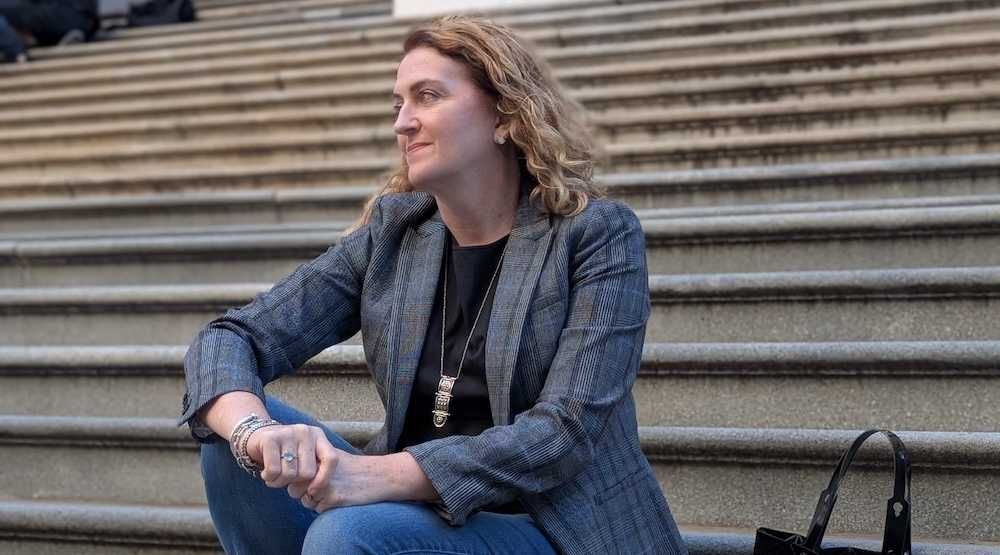
The film is about Maud Maron. If you do not live in Manhattan, you may not know the name. You should.
Maud is a mother of four who has spent the last six years being told to sit down and shut up by every institution she belonged to. She has not sat down. She has not shut up. She keeps losing seats and titles, and somehow she keeps winning the argument.
Maud Maron is not a celebrity. She is a mother with a list of opinions and a refusal to swallow them to keep the room comfortable. The cure for the country is more of her, not fewer.
The argument is whether Americans are still allowed to think for themselves in public.
Maud was a public defender at the Legal Aid Society for more than 20 years. She started an advocacy group called PLACE NYC that defends screened schools and gifted programs in a city quietly dismantling both. She was elected to her community education council in District 2.
Then came the summer of 2020. Every progressive workplace in America held the same struggle session.
On a Zoom school board meeting that summer, a white board member sat with his friend’s black baby on his lap while making the case for keeping merit-based admissions at New York’s specialized high schools. Activists called him a racist. Letters circulated. Signatures were demanded.
Maud shrugged it off. She would not engage in identity politics, and she would not step down from her school board seat. For that, the lawyers at the Legal Aid Society called her a racist too. She was pushed out of her job.
She did not go quietly. She sued them.
In 2024, Maud introduced Resolution 248, which asked the council to examine the question of boys competing in girls’ sports and to put girls themselves in the room where the decision was being made. The council passed it. Activists followed her around. Council members who privately agreed with her said nothing in public.
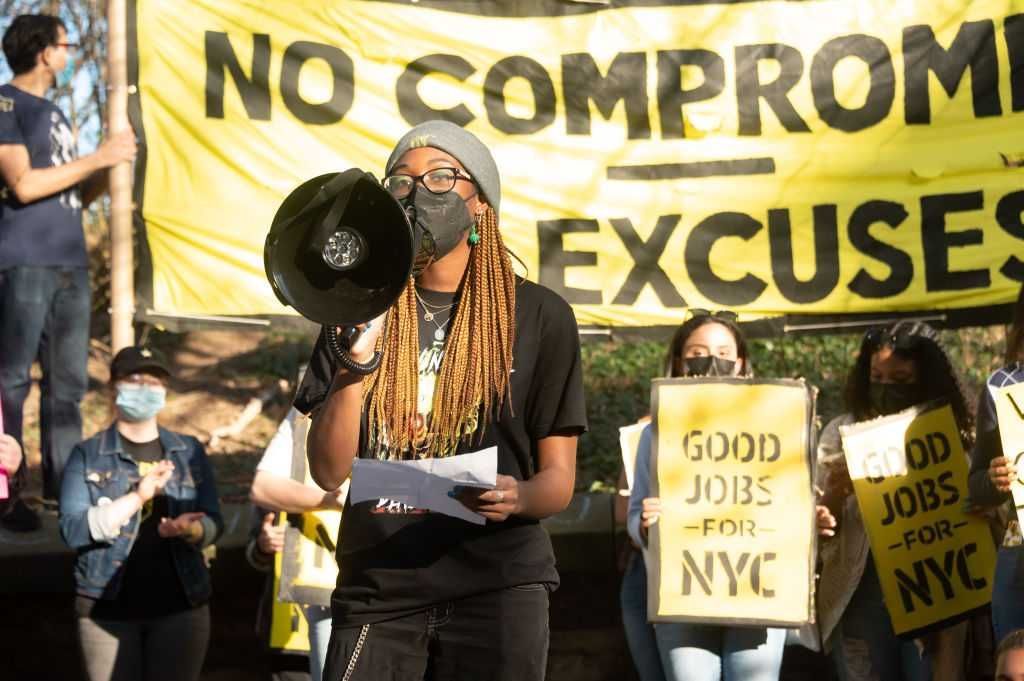
In 2025, the resolution was rescinded. Maud lost her school board seat in the next election. The activists declared victory.
Here is what they missed: Maud kept talking.
She is slowly winning in the culture the fight she lost in the room. A growing number of parents now say in public what almost nobody would say in 2020. That is partly because of Maud and people like her, who took the first hits so the rest of us would not have to.
In the film, Maud describes people coming up to her and saying she has the courage to say what they cannot. She turns the question around.
Why can’t they?
It is a fair question. Every parent who has watched a school curriculum get rewritten without input has felt this. Every employee who has rewritten the same Slack message four times to avoid setting off a colleague looking to be offended has felt it.
We are afraid. That fear is the whole problem.
This is what I keep telling people who ask me what to do: You do not need a national platform. You need a local one.
The school board meets this month. The PTA needs a treasurer. The neighborhood listserv has a thread about a new library policy. Your sister-in-law is about to pull her child out of public school and is too embarrassed to say why. Your son’s teacher used a phrase at parent night that made you uncomfortable, and you said nothing.
Start there. Speak up at the kitchen table first. Then at the school. Most of the people in your life are probably waiting for somebody to go first. You can be that person.
People love to say one person cannot change a country. One person cannot. A million ones can. That is what a force multiplier is.
It is also why every authoritarian system in history has worked so hard to make the first person who speaks pay the highest price. If you can scare the first one quiet, the second one never opens her mouth.
I come from the Soviet Union. I know how that works.
“15 Days” and “Uncancellable” may look like different films, but they ask the same question: Are you willing to be the first one to say the true thing?
Both are stories about free speech and ordinary people who refused to stay quiet when their professions and neighbors wanted silence. The cost of speaking up is real. The cost of staying silent is worse.
Some people will tell you the country is too far gone for one Tuesday-night school board meeting to matter. They are wrong, and they are mostly the people who do not want you to show up.
Show up anyway. Bring a friend.
Maud Maron is not a celebrity. She is a mother with a list of opinions and a refusal to swallow them to keep the room comfortable. The cure for the country is more of her, not fewer.
It starts with the small, unglamorous habit of saying what you actually think, in the room you are actually in, to the people who are there with you.
That is the force multiplier. That is the whole revolution.
Director James Cameron says he prefers to live in New Zealand because of how "sane" it is compared to the United States.
The "Avatar" series director explained during a recent interview that he particularly preferred the New Zealand style of governance during COVID-19, which is when he decided to move there.
'Fortunately, they already had a 98% vaccination rate.'
Cameron told host Graham Bensinger that he fell in love with the scenery and people of New Zealand while visiting in 1994 and made a promise to himself that he would live there someday. Cameron bought a farm there in 2011 and found himself spending a lot of time in the country in the years to come.
"We came back for Christmas and then COVID hit, and we didn't get back down there. So then I had to move mountains to get our production unit back up and running in New Zealand, and we just decided at that point in time that it was time to make the move as a family," Cameron explained.
From there, the filmmaker began boasting about New Zealand's lockdowns for COVID-19, praising the country's enforcement.
"New Zealand was — they had eliminated the virus completely. They actually eliminated the virus twice," Cameron claimed. "The third time when it showed up in a mutated form, it broke through. But fortunately they already had a 98% vaccination rate."
At the time, New Zealand was under the rule of socialist Jacinda Ardern, who ran the government with her Labour Party from 2017 to 2023. The country used a four-level alert system for COVID and spent a whole month under forced confinement except for "essential movement."
Legislation included allowing police to use any "reasonable means including force" to ensure compliance, with punishments up to six months in prison.
"This is why I love New Zealand," Cameron continued.
RELATED: Christian children's movie 'David' beats out 'Spongebob' and Sydney Sweeney in box-office shock
The Canadian-born director then began expressing his disdain for what he felt is Americans' sub-optimal vaccination rates.
"People [in New Zealand] are for the most part sane as opposed to the United States, where you had a 62% vaccination rate, and that's going down, going the wrong direction. Are you kidding me?! Where would you rather live?" he asked Bensinger.
The host stumbled, initially not realizing Cameron was looking for an answer. "Oh! Right," he replied before Cameron jumped in.
"A place that actually believes in science and is sane and where people can work together cohesively to a common goal, or a place where everybody's at each other's throats extremely polarized, turning its back on science, and basically would be in utter disarray if another pandemic appears."
Bensinger spoke up after those comments from Cameron though.
"I mean, the United States is a fantastic place to live."
"Is it?" Cameron challenged.
Seemingly not wanting his podcast to spiral out of control, Bensinger added, "but New Zealand is just stunningly beautiful."
"I'm not there for the scenery. I'm there for the sanity," Cameron reaffirmed.
RELATED: James Cameron explains how a 'Terminator-style apocalypse' could happen

The interview then shifted to Cameron's farm and his veganism, with the 71-year-old explaining that he grows organic, farm-to-table vegetables for local businesses.
"I don't personally have a problem with GMO per se," Cameron said about his growing techniques. "Other than when you start to couple it with these chemical pesticides and herbicides into an integrated system, it's actually opening the door to a lot of chemistry that shouldn't be in our ... bodies," he said unironically.
Defending his veganism, Cameron concluded that if everyone was "100% plant-based," not only would humanity live with a much smaller "carbon footprint," but the environment and wildlife would be in much better shape.
Like Blaze News? Bypass the censors, sign up for our newsletters, and get stories like this direct to your inbox. Sign up here!
 It might seem frustrating, infuriating even — until you realize how important Fauci is. Just read his diary.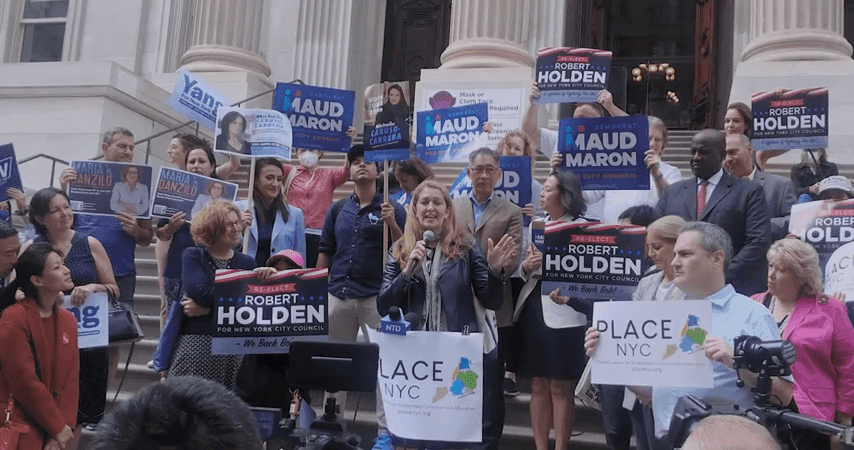
 MAGA needs to stop the next left-wing manmade disaster before Democrats can 'learn' from it. America can only survive so much more of this kind of education.
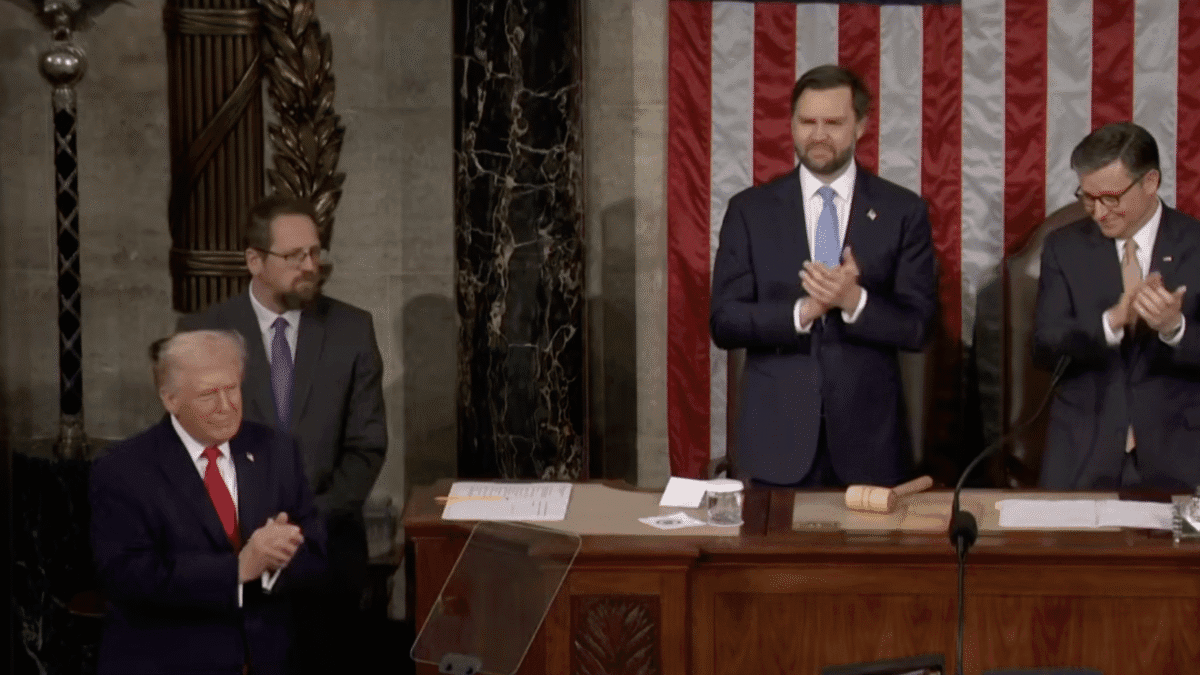 There were rumors that President Trump’s first State of the Union address was going to run two hours and anyone would be forgiven for dreading it, but it turns out it was a politically confrontational spectacle that this country needed and deserved. Trump used his nationally televised speech Tuesday to draw attention over and over […]
 Maybe we should wait until the criminal investigation is over before we hand out radio shows. Maybe facing consequences should come before rehabilitation tours.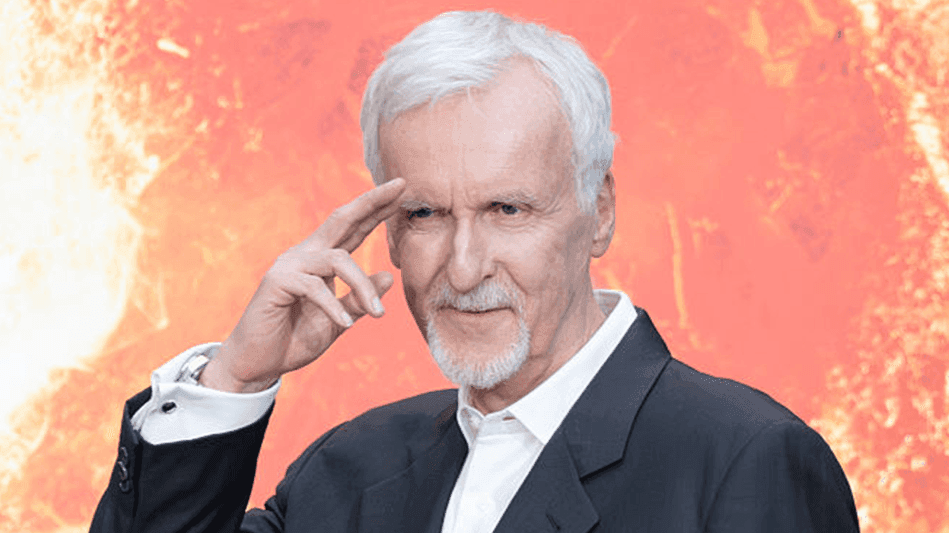
 'I tasked in no uncertain terms to the services that they will treat each of the members with the dignity that they deserve,' War Undersecretary Anthony Tata told The Federalist.
 thefederalist.com
 www.theblaze.com
NASCAR suspends Mike Wallace indefinitely over social media post